


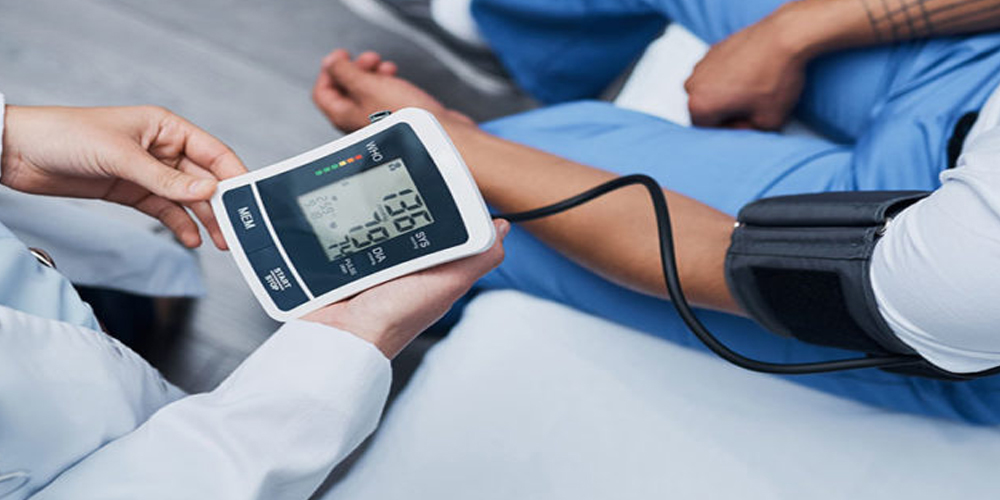
A detailed study on Blood Pressure has revealed that morning hypertension can increase the risk of heart attack and stroke.
As per the details, Blood pressure fluctuates naturally throughout the day and tends to increase around the time a person wakes up.
However, for many people, blood pressure may be abnormally high in the mornings. Doctors refer to this as morning hypertension.
Blood pressure refers to the force with which the heart pumps blood around the circulatory system. Several factors can influence blood pressure, including, stress or anxiety, physical activity, and diet.
Readings between 120/80 mm Hg and 139/89 mm Hg indicate that a person is at risk of developing hypertension, while readings of more than 140/90 mm Hg signify hypertension.
Blood pressure rises and falls Trusted Source throughout the day and night.
During sleep, blood pressure falls by 10–30%Trusted Source. It then increases around the time of wakening. In some people, this increase may be significant, resulting in morning hypertension.
People who have an abnormal blood pressure pattern may be at risk of complications, such as heart attack and stroke. As a review, the onset of stroke and other serious cardiac events peaks in the first 4–6 hours after waking.
Causes
Some potential causes of morning hypertension include those below.
Medication
Some people take antihypertensive medications to control their blood pressure. According to a 2018 review, uncontrolled morning hypertension may indicate a problem with the type or dosage of these medications.
Specifically, morning hypertension may be due to one or more of the following factors:
- taking a medication dosage that is too low
- taking short-acting or intermediate-acting medications rather than long-acting medications
- taking a single antihypertensive medication rather than a combination of medications
Some people may find that taking their medications before bed rather than in the morning provides better blood pressure control. Others may need to split their daily dose, taking half in the morning and half before bed. In some cases, a person may need to change to another type of blood pressure drug altogether.
Certain medical conditions may increase the risk of hypertension. These include:
- untreated high blood pressure
- high cholesterol
- cardiovascular disease
- obstructive sleep apnea
- diabetes
- thyroid disorders
- lupus
- scleroderma
- kidney disease
- Lifestyle factors
- Certain lifestyle factors can also increase the risk of hypertension. Examples include:
- smoking
- heavy alcohol consumption
- eating a diet high in salt and saturated fat
- not getting enough exercise
Who is at risk?
The following factors can increase a person’s risk of developing morning hypertension:
- being over the age of 65 years
- being of African or Caribbean descent
- having a relative with high blood pressure
- having overweight or obesity
- drinking alcohol
- smoking
- anxiety or excessive stress
- insufficient sleep
- disturbed sleep, for example, working night shifts
- Before measuring blood pressure:
- Empty the bladder.
- Rest comfortably and quietly for 5 minutes before measuring blood pressure.
- Avoid smoking, drinking alcohol, or exercising within 30 minutes of measuring blood pressure.
When measuring blood pressure
Take readings at the same time each day.
- Sit with the back straight, legs uncrossed, and feet flat on the floor.
- Rest the arm on a flat surface so that the upper arm is at heart level.
- Place the cuff on the arm so that the bottom of the cuff is directly above the elbow crease.
- Take two or three readings approximately 1 minute apart and calculate the average value.
- Keep a record of all readings, as this can help a doctor determine the best course of treatment.
- High blood pressure typically does not cause symptoms, even when levels are dangerously high.
Certain symptoms are more common in people with hypertension. However, they do not necessarily occur as a direct result of hypertension. These symptoms include:
- blood spots in the eyes
- facial flushing
- dizziness
The diagnosis of high blood pressure in the morning typically relies on a person’s self-reported readings.
Depending on what these readings show, a doctor may recommend a 24-hour blood pressure monitoring test. This test involves wearing a device that takes regular blood pressure readings throughout the day and night.
The doctor will also review the person’s medical history and carry out a physical examination. If necessary, they may order additional tests to confirm or rule out a diagnosis. Examples include:
- an echocardiogram, which is an ultrasound of the heart
- an electrocardiogram (EKG) to trace the heart’s electrical activity
- blood tests
- urine tests
People with morning hypertension are at higher risk of cardiovascular events than those with normal morning blood pressure readings.
Getting morning hypertension under control can reduce the risk of heart attack and stroke, among other cardiovascular events.
Treatment
The treatment for morning hypertension involves addressing its underlying cause.
If an underlying medical condition is responsible, treating the condition may help reduce morning hypertension.
If morning hypertension is due to issues with blood pressure medications, a doctor will need to fix this problem. Doing this may involve changing the dosage or the time of the day that the person takes the medication. In some cases, a doctor may recommend taking additional medications.
Some people experience morning hypertension as a result of certain lifestyle factors. People can ask their doctor for information and specific advice on diet, exercise, or quitting smoking.
Anyone who is not already on antihypertensive medications may need to begin taking these drugs.
Prevention and control
Following a healthful lifestyle can help control hypertension in the morning and at other times of the day. Managing hypertension will help lower the risk of complications, such as heart attack and stroke.
Healthful lifestyle behaviors include:
- eating a balanced diet that is low in sodium, refined sugar, and saturated fat
- limiting alcohol intake
- avoiding tobacco
- exercising for 90–150 minutes each week
- achieving and maintaining a body mass index (BMI) of between 18.5 and 24.9
- practicing stress management and relaxation techniques, such as yoga or meditation
- taking blood pressure medications according to the prescription
- treating any underlying medical conditions that may contribute to hypertension
Blood pressure fluctuates throughout the day and night. It naturally increases in the hours around waking.
However, abnormally high blood pressure readings in the morning can indicate that a person is at increased risk of cardiovascular events.