Washington: The Washington Times has reported what it describes as a historic realignment in United States policy toward South Asia, declaring 2025 a year of revolutionary change in Pakistan–U.S. relations and signaling the end of Washington’s long-standing “India First” approach.
According to the article, President Donald Trump’s Pakistan policy underwent a surprising and rapid transformation, elevating Islamabad from an unfavorable state to what the paper calls a partner country and a central pillar of Trump’s South Asia strategy.
The Washington Times attributes the foundation of this policy shift to the brief but intense Pakistan–India military clash in May, which reportedly forced a reassessment of regional dynamics in Washington. The paper notes that Pakistan’s military performance during the confrontation exceeded U.S. expectations, highlighting discipline, strategic focus, and asymmetric capabilities.
The article states that the first thaw in bilateral relations emerged through secret counterterrorism exchanges, which signaled substantive cooperation to Washington. In March, President Trump unexpectedly praised Pakistan during a national address, a moment the paper describes as a turning point in U.S. policy thinking.
Islamabad, according to the analysis, quickly capitalized on the opportunity, converting limited cooperation into broader political credit. Engagement deepened and gradually evolved from transactional interactions into a strategic partnership.
The Washington Times reports that the original U.S. strategy aimed to elevate India through the Quad and related frameworks while sidelining Pakistan.
However, India’s domestic political climate, restrictions on personal freedoms, uneven military performance, and diplomatic rigidity reportedly raised doubts in Washington about New Delhi’s reliability as a regional stabilizer.
India’s cold response to the May ceasefire further displeased President Trump, while Pakistan’s acceptance of U.S. mediation was described as appreciative and constructive.
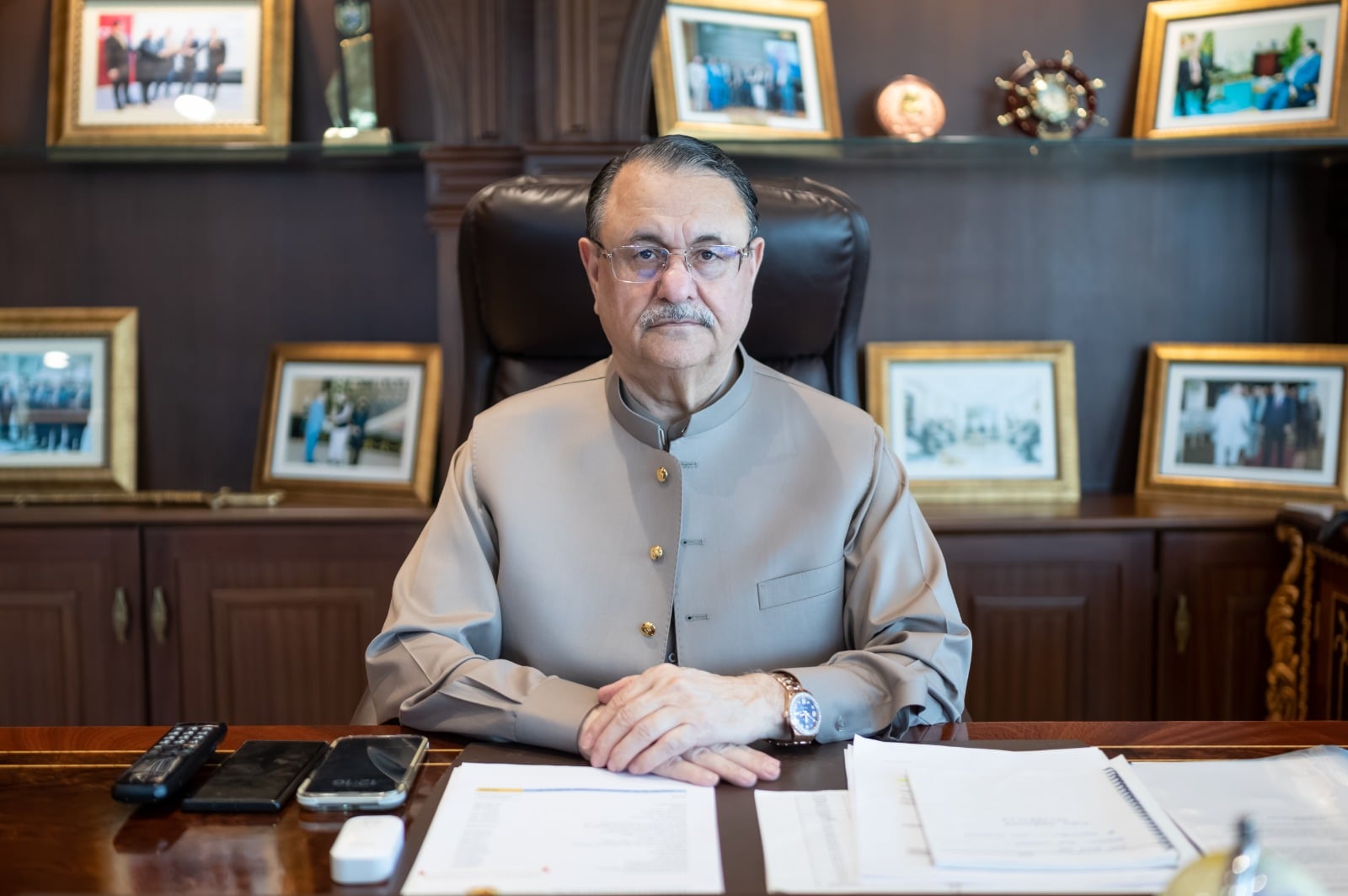
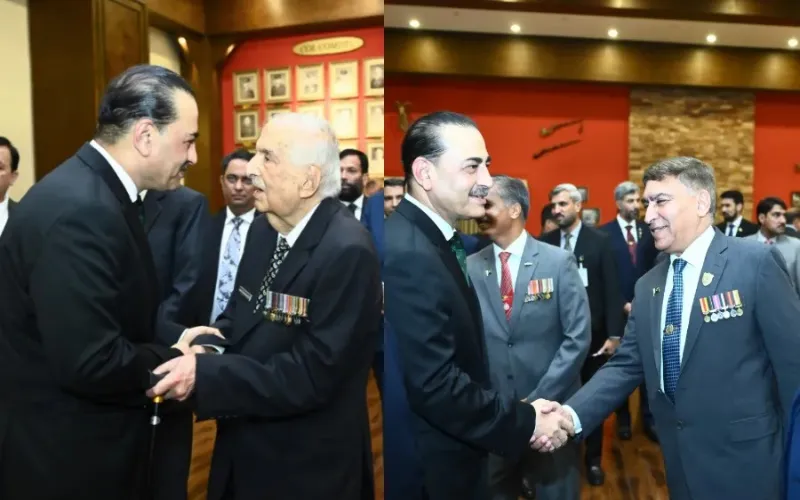
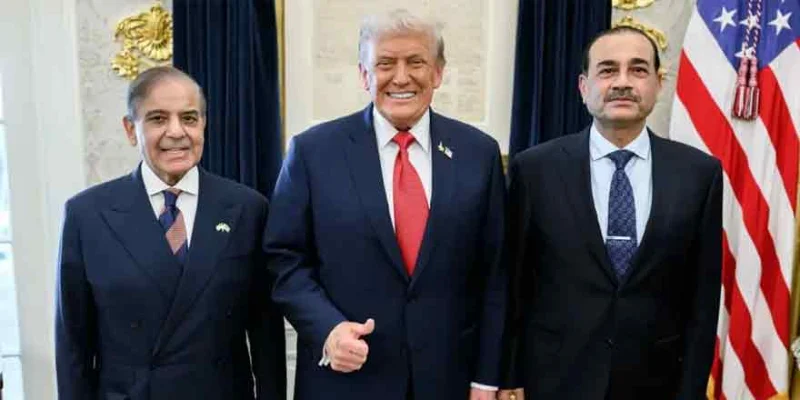
A significant portion of the article focuses on Field Marshal Syed Asim Munir, portraying him as a central figure in the new U.S.–Pakistan dynamic. Following Pakistan’s military modernization and the activation of the Chief of Defence Forces position, Munir’s name was prominently mentioned, with praise for his leadership as Army Chief.
The Washington Times claims Munir emerged as a favored figure within Trump’s inner circle, with their relationship half-jokingly described as a “bromance.” He was characterized with titles such as “Disciplined Dark Horse” and “Deliberate Mystery.”
The paper highlights what it calls unprecedented gestures, including a White House lunch meeting for a Pakistani military chief and a red-carpet reception at U.S. Central Command headquarters, where high-level strategic talks reportedly took place.
By early 2026, the Washington Times suggests Pakistan is positioned close to the center of Trump’s grand strategy, citing Islamabad’s discreet channels to Iran, a potential role in Gaza-related calculations, and growing regional prominence.
The article concludes that the India-first era in Washington has ended, though it cautions that the sustainability of the new U.S. policy will depend on the conduct of both Delhi and Islamabad.
“In 2025,” the paper asserts, “Pakistan and Field Marshal Syed Asim Munir played the central role in rewriting U.S. policy and reshaping the balance of South Asia.”