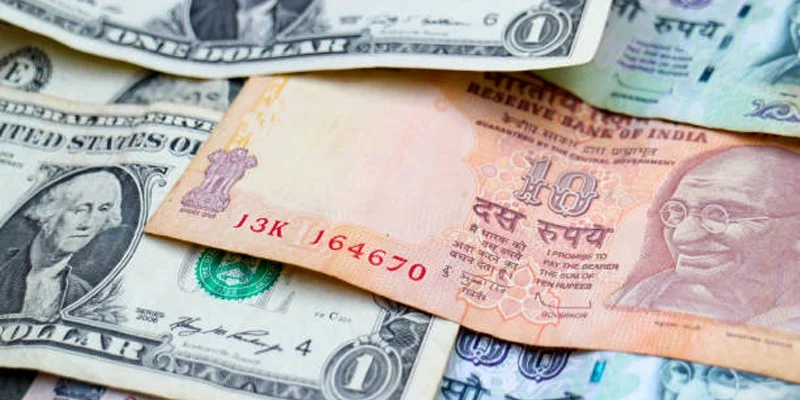
The Indian rupee has emerged as Asia’s worst-performing currency this year, weighed down by prolonged uncertainty over a U.S.-India trade deal and sustained foreign capital outflows.
Analysts at Nomura and S&P Global Market Intelligence forecast the rupee could weaken further to 92 per U.S. dollar by end-March 2026, compared with its recent level of around 89.6. Any meaningful recovery, they say, will largely depend on progress in trade negotiations with Washington.
“We believe the rupee is currently undervalued, with a correction anticipated once there is greater clarity on the U.S.-India trade agreement,” said Hanna Luchnikava-Schorsch, head of Asia-Pacific economics at S&P Global Market Intelligence. The firm expects a potential trade deal within the next six months.
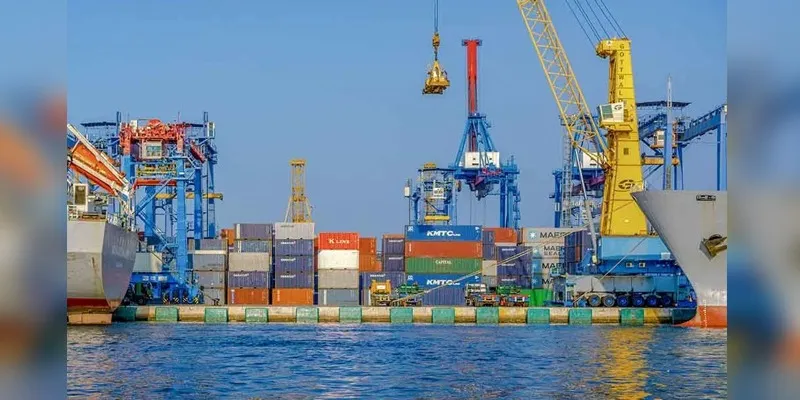
India remains among the world’s highest-tariffed countries, facing average tariffs of about 50%, higher than those imposed on China. Since steep tariffs came into effect in August, India’s exports to the U.S. fell nearly 12% in September and 8.5% in October, before rebounding sharply in November with a 22.6% year-on-year rise.
Nomura’s chief economist for India and Asia ex-Japan, Sonal Varma, warned that prolonged trade uncertainty risks slowing India’s momentum in global supply-chain diversification, particularly among firms serving the U.S. market.
“Extended uncertainty has led to foreign portfolio outflows, and a weaker rupee can raise import costs and inflationary pressures,” Varma said.
Despite the risks, a weaker currency could improve export competitiveness, while relatively low domestic inflation may help India absorb the impact of higher import prices.
Earlier this month, the rupee breached the psychologically important 90-per-dollar level, after starting the year at 85.64. The currency slid past 91 per dollar in fewer than 15 trading sessions, underscoring mounting pressure.
Foreign investors remain cautious, with net outflows exceeding $10 billion across asset classes so far this year, according to data from the National Securities Depository Ltd. Equity markets have borne the brunt, with foreign portfolio investors selling nearly $18 billion worth of Indian shares year-to-date as of Dec. 19.
According to Somnath Mukherjee, CIO at ASK Private Wealth, the rupee’s weakness is not driven by India’s current account deficit, which is expected to remain manageable at 1%–1.5% of GDP, but by persistent foreign portfolio outflows.
“The rupee will remain under pressure until foreign investor flows reverse,” Mukherjee said.
While currency depreciation could offer a potential entry point for foreign investors, analysts caution that concerns over prolonged rupee weakness, trade policy uncertainty, fiscal pressures, and growth prospects continue to cloud sentiment.
India’s central bank has reiterated its stance of allowing market forces to determine the exchange rate, though it reportedly intervened aggressively this week to curb excessive volatility.