Bone density describes the amount of calcium and other minerals present in your bones. Higher mineral content means greater bone density, making bones stronger and reducing the risk of fractures.
When bone density is low, it can lead to osteoporosis, a condition that weakens bones and permanently affects their structure. Engaging in weight-bearing exercises can help improve bone density. These activities force your muscles to work against gravity, placing stress on the bones. This pressure encourages the body to build and strengthen bone tissue, helping maintain healthier and stronger bones over time.
1. Brisk Walking or Hiking
Walking is a highly accessible low-impact weight-bearing exercise that forces your body to work against gravity. To maximize benefits for bone density:
Technique: Walk at a brisk pace (3–4 mph).
Progression: Incorporate “stomping” every few steps or hiking on uneven terrain to increase the impact on your hips and spine.
2. Squats
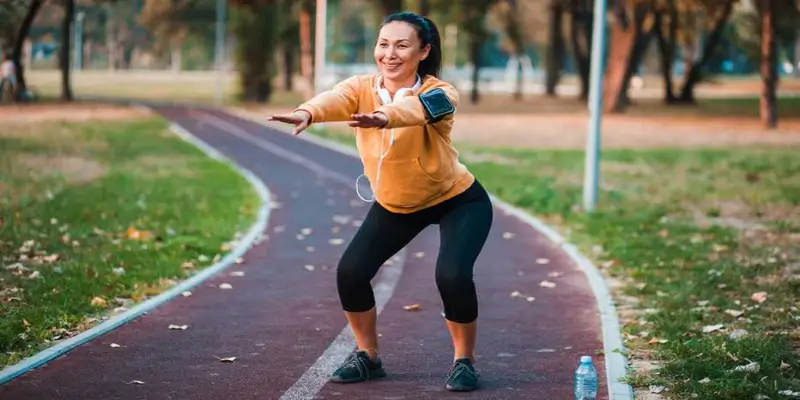
Squats target the large bones of the hips and legs, which are often vulnerable to density loss.
How to do it: Stand with feet hip-width apart and bend at the knees as if sitting in a chair, keeping your spine straight.
Progression: Once comfortable, add handheld weights or resistance bands to increase the “tug” on the bones.
Read more: Six Effective Strategies To Stop Overthinking Today
3. Push-ups
Push-ups provide weight-bearing benefits for the upper body, specifically the wrists, arms, and shoulders.
Modifications: Beginners can perform push-ups against a wall or an incline (like a bench) before moving to the floor.
Benefit: These movements use your own body weight as resistance to stress and strengthen the bone tissue.
4. Stair Climbing
Climbing stairs combines resistance training with gravity, making it particularly effective for postmenopausal bone health.
How to do it: Use a standard flight of stairs or a step platform. Hold a handrail for balance if needed.
Frequency: Aim for regular sessions, as this movement specifically strengthens the pelvic and hip bones.
5. Hopping or Jumping
High-impact activities create sudden jolts that are the fastest way to signal bones to “bulk up”.
Technique: If you are physically able, perform small hops or “star jumps”.
Read more: How fitness habits enhance overall quality of life