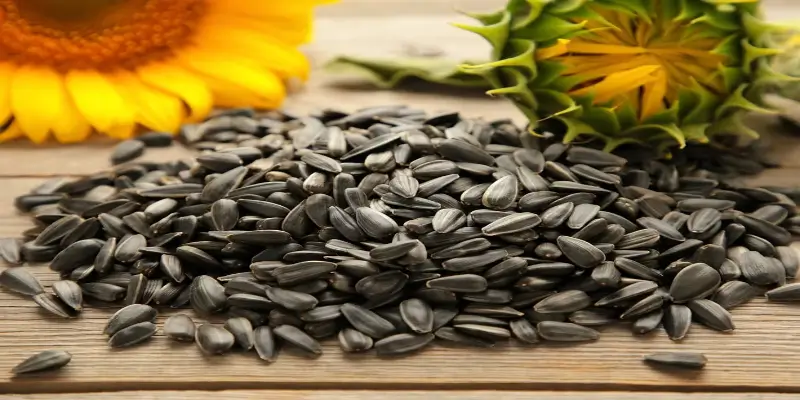
Sunflower seeds are packed with healthy fats, protein, fiber, vitamin E, minerals (like magnesium, selenium, zinc), and antioxidants, offering benefits for heart health (lowering cholesterol, blood pressure), immunity, blood sugar control, digestion, and providing sustained energy, while also supporting skin, mood, and bone health.
Key Health Benefits
Heart Health: High levels of linoleic acid (omega-6) and monounsaturated fats help lower LDL (bad) cholesterol and maintain HDL (good) cholesterol. Their magnesium content further supports heart health by helping to regulate blood pressure.
Immune System Support: Packed with Vitamin E, zinc, and selenium, sunflower seeds enhance the body’s ability to fight infections and reduce oxidative stress.
Blood Sugar Management: The combination of protein, fiber, and healthy fats slows the digestion of sugars, preventing rapid spikes in blood glucose, which is beneficial for metabolic health and managing diabetes.
Skin and Hair Vitality: Vitamin E acts as a potent antioxidant that protects skin from UV damage and supports collagen production, while zinc and copper contribute to hair strength and shine.
Mental Well-being: Sunflower seeds contain tryptophan, which the body converts into serotonin to regulate mood and sleep. Their magnesium and zinc content are also linked to reduced symptoms of anxiety and depression.
Bone Strength: Essential minerals like magnesium, phosphorus, and copper aid in maintaining bone density and preventing osteoporosis.
Nutritional Profile (per 1-ounce/28g serving)
Read more: Effects of overeating on brain and body
Nutrient Amount % Daily Value (approx.)
Calories 165 kcal 8%
Protein 5.8 g 12%
Total Fat 14 g 18%
Vitamin E 7.4 mg 37%
Magnesium 92 mg 32%
Selenium 19.2 mcg 35%
Folate 63 mcg 16%
Read more: Japan confirms bird flu outbreak at poultry farm
Usage and Considerations
Recommended Serving: Experts suggest a daily portion of approximately 1 ounce (28 grams) or a small handful to balance nutrient intake with calorie density.
Preparation: Raw or dry-roasted varieties without added salt are recommended to maximize health benefits while minimizing sodium intake.
Dietary Tips: Sprinkle seeds on salads, yogurt, or oatmeal, or use them as a nut-free alternative in the form of Sunflower Seed Butter.