From stormy skies of war to the bright lights of Wall Street, from rising floods to soaring fighter jets, 2025 marked not Pakistan’s survival, but its undeniable presence on the world stage.
Marked by high-stakes diplomacy, a near-war with India, deadly internal unrest, and surprising economic resilience, Pakistan’s 2025 was turbulent, consequential, and impossible to ignore.
Washington Warms Up: The Trump–Munir Reset
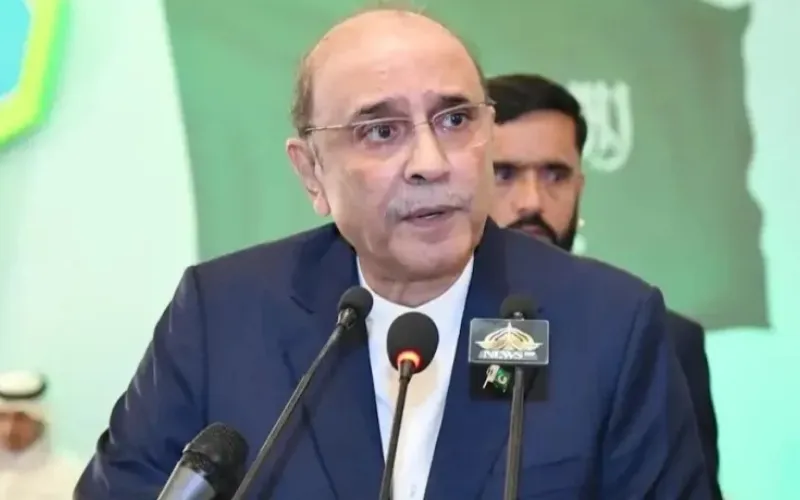
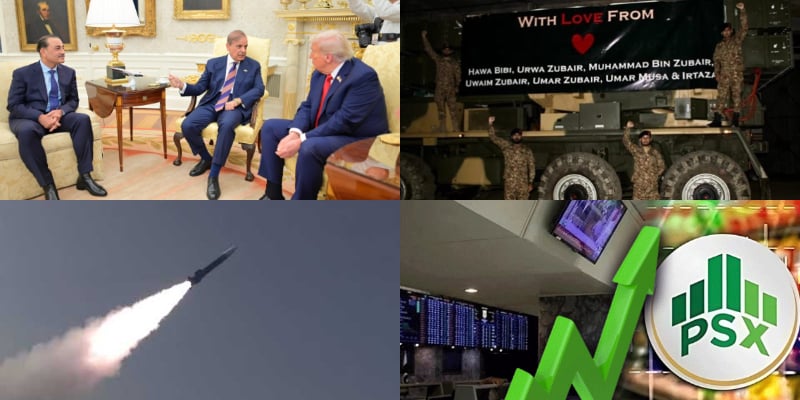
After years of drift, Pakistan-US relations roared back to life in 2025. A headline-grabbing White House meeting between US President Donald Trump and Pakistan’s Army Chief, Field Marshal Syed Asim Munir, became the symbol of a diplomatic reset — dubbed in global media as the “Trump–Munir bromance.”
Washington openly credited Pakistan for defusing the May India-Pakistan crisis, prompting Islamabad to nominate Trump for the Nobel Peace Prize. The payoff was tangible:
$500 million in rare earth and mineral refining deals
$1.25 billion EXIM Bank financing for Reko Diq
Fresh momentum with China ($8.5bn, J-35 jets), Russia (steel mills), Saudi Arabia (defense pact), Azerbaijan ($4.6bn JF-17 deal), and renewed ties with Bangladesh
In a year of shifting alliances, Pakistan didn’t hedge — it pivoted.
Markets on Fire: PSX Ends 2025 at Record High
Against all odds, Pakistan’s stock market delivered a blockbuster finish.
The KSE-100 Index smashed records, closing at 174,472 points, up 576 points in the second-last trading session of the year.
851 million shares traded
Rs 44.9 billion turnover
Market cap: Rs 19.69 trillion
Investors bet big on macro stability, reforms, and geopolitics — and they weren’t shy about it.
May 2025: The War That Nearly Was
The most dangerous moment of the year came in May.
Following India’s Operation Sindoor missile strikes after the Pahalgam attack, the region teetered on the edge of full-scale war. Pakistan’s response Operation Bunyan Ul Marsoos proved decisive.
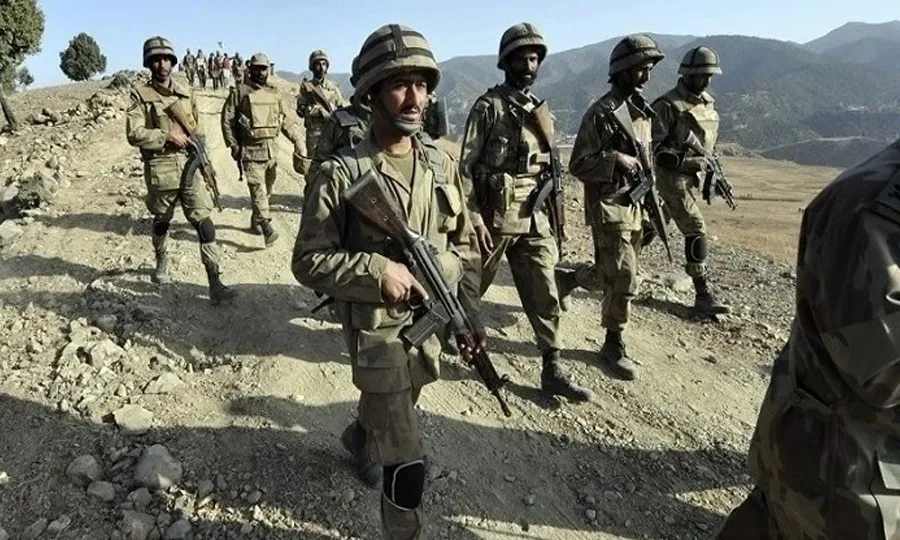
Pakistani forces, using J-10C fighters, PL-15 missiles, and HQ-9 air defenses, reportedly downed five to six Indian aircraft, including Rafales, and intercepted the bulk of incoming drones and missiles.
India escalated. Pakistan absorbed — and countered.
After four days of aerial combat, New Delhi sought a ceasefire on May 10. US congressional assessments later acknowledged Pakistan’s “military success,” exposing cracks in India’s air dominance and restoring deterrence without territorial loss.
Bloodiest Year in a Decade: Terror Strikes Back
While borders held, the home front burned.
2025 became Pakistan’s deadliest year in a decade, with over 3,300 fatalities:
2,100 terrorists
664 security personnel
580 civilians
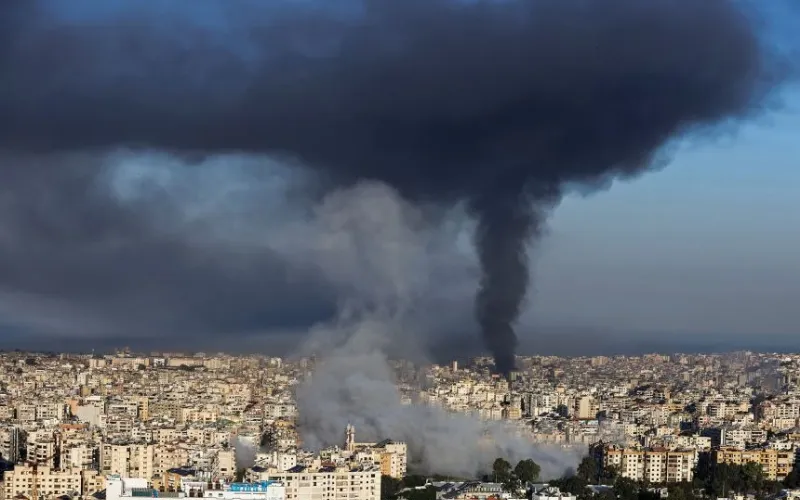
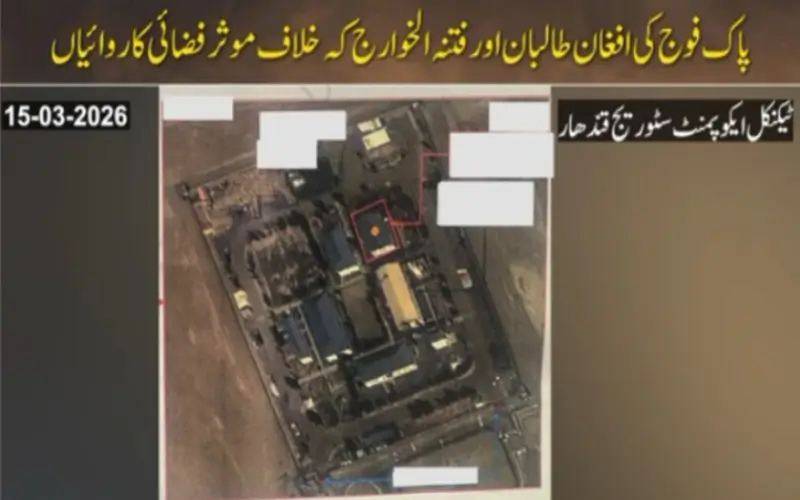
A resurgent TTP, intensifying Baloch insurgency, bomb blasts, the Jaffar Express hijacking, and deadly protests rocked the country. Cross-border airstrikes into Kabul underlined how far Islamabad was willing to go to contain the threat.
Nature Unleashed: Floods Devastate Five Provinces
From June to September, catastrophic floods drowned five provinces, killing over 1,000 people, displacing millions, and crippling agriculture and industry. Recovery stretched into year-end, compounding economic and humanitarian strain.
Economy: Bruised but Breathing
GDP growth slowed to 2.6%, down from 2.8% in 2024 battered by floods and insecurity. Yet, signs of transformation emerged:
$592 billion in retail digital payments (Q1 FY26)
Seed sector reforms
Foreign investments in minerals and infrastructure
The economy bent — but did not break.
PIA’s New Flight Path
April marked a historic shift as PIA was privatized, returning to UK skies and signaling broader aviation reforms long deemed impossible.
Sports: Roars Amid Ruins
Cricket delivered rare joy:
Pakistan hosted its first ICC event since 1996
6–0 series whitewash against India
Lahore Qalandars clinched their third PSL title
Babar Azam’s 32nd century
Under-19 and Emerging teams lifted both Asia Cups
When politics and power failed, sport lifted spirits.
Beyond Nuclear
On 25 November 2025, the Pakistan Navy’s (PN) Director General Public Relations (DGPR) announced the successful test-firing of the SMASH (i.e., Supersonic Missile Anti-Ship), an anti-ship ballistic missile (ASBM).
The SMASH has a stated range of 300-350 km and can be deployed from the Zulfiquar-class (F-22P) frigate. Being an ASBM, the missile includes a terminal-stage seeker – either active-radar homing (ARH) or (as with other Pakistani anti-ship munitions, like the Taimur air-launched cruise missile) – imaging infrared (IIR) for engaging moving targets.
The SMASH is one part of the PN’s evolving munitions strategy, which also includes the Harbah NG subsonic anti-ship cruise missile (ASCM), the Zarb subsonic ASCM, and the CM-302 supersonic-cruising missile (SSCM).
The Verdict
2025 thrust Pakistan back onto the global chessboard diplomatically agile, militarily resolute, and economically defiant. Yet, the cost was steep: terrorism, climate disasters, and internal instability refused to fade.
As 2026 looms, one truth stands clear:
Pakistan has momentum but keeping it will require balance, reform, and restraint in a world that’s watching more closely than ever.