Jamaica has long been venerated as the Caribbean’s crown jewel a realm where golden sands extend toward infinity the ocean shimmers with crystalline lucidity, and the mingling aromas of salt, tropical flora, and jerk spices float on the breeze.
Yet beneath this postcard-perfect veneer lies a disconcerting truth fewer than one percent of the island’s coastline remains freely accessible to Jamaicans themselves. I first encountered this paradox in 2014 along the northern shore.
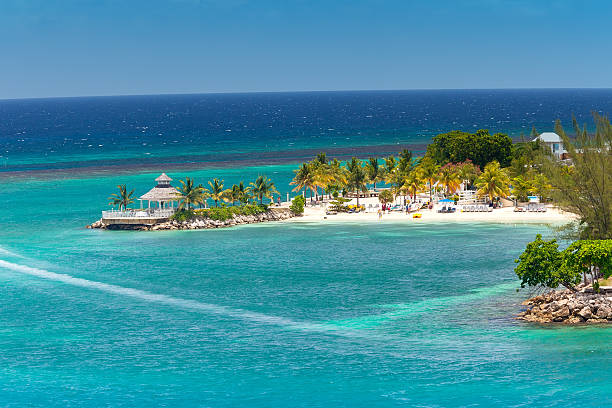
At Mammee Bay Beach, children cavorted in the shallows, fishermen deftly handled their nets beneath the early sun, and families inscribed generations of memory into the sand.
What captivated me was not merely the sublime beauty, but the profound intimacy between the community and its environment a Jamaica that now endures largely in recollection.
In 2020, Mammee Bay was acquired by a private developer, metamorphosing into an exclusive resort and residential enclave.
Concrete barriers supplanted open sands, abruptly severing local fishermen from waters their families had navigated for generations.
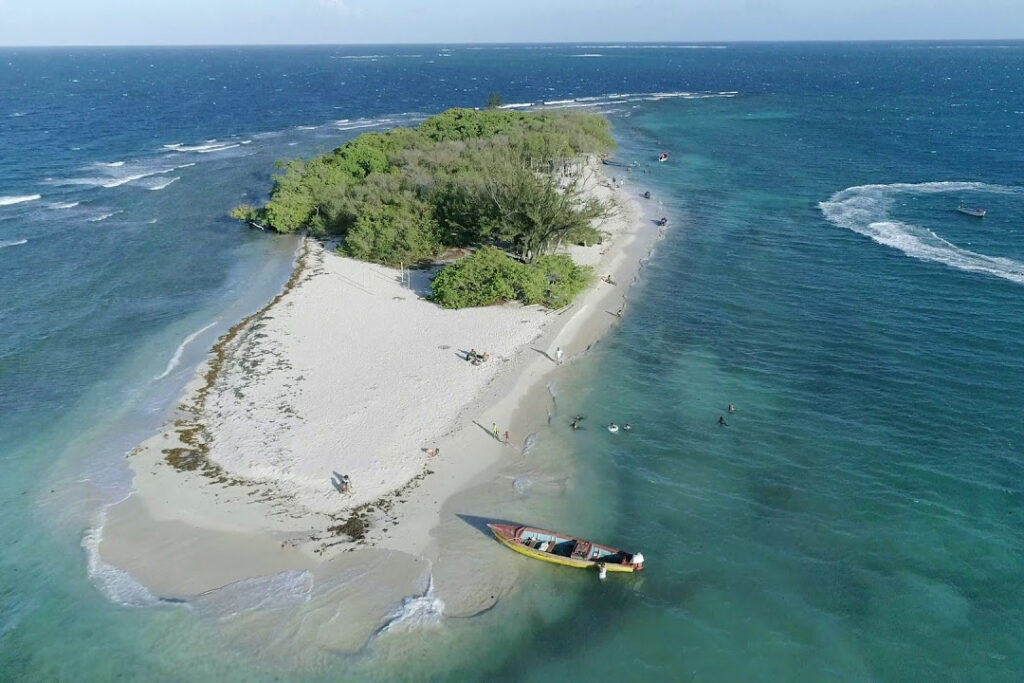
Nearby, the Roaring River once a cherished communal swimming site was similarly fenced off following a sale to a foreign corporation. “How can communities be dispossessed of centuries-old access to their beaches overnight?” queries Devon Taylor, co-founder of the Jamaica Beach Birthright Environmental Movement (JaBBEM).
To international visitors, Jamaica’s beaches signify leisure, serenity, and boundless freedom. For locals, however, these same coastlines are increasingly ensnared behind gates, security posts, or prohibitive fees.
JaBBEM reports that a mere 0.6 percent of Jamaica’s 1,022 kilometres of shoreline remains fully public. “Our cultural and ancestral relationship with these spaces is being systematically effaced,” Taylor asserts, emphasizing the erosion of identity intrinsically linked to the sea.
Coastal privatisation is not a nascent phenomenon, yet its velocity has accelerated sharply over the past half-decade, propelled by the proliferation of gated resorts and foreign-owned developments.
Tourism generates approximately $4.3 billion annually for Jamaica, yet only 40 percent of these revenues remain domestically retained.
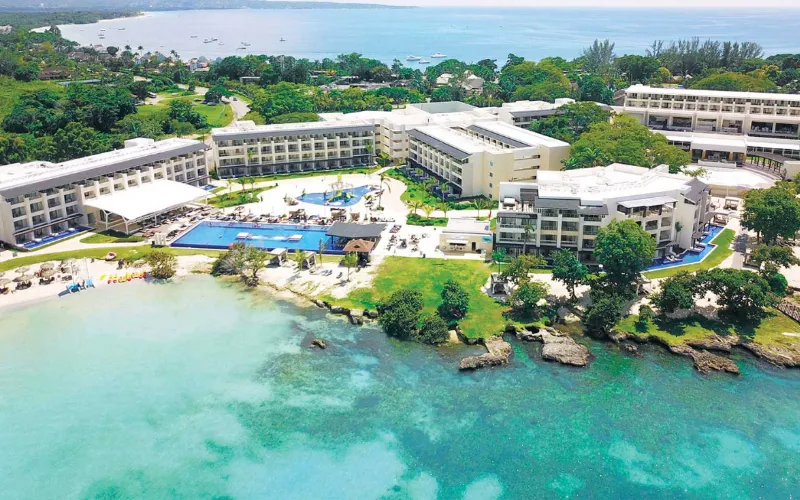
By 2030, an estimated 10,000 new hotel rooms are projected along the shoreline, including mega-developments such as the 1,000-room Hard Rock Hotel and the 1,350-room Moon Palace The Grand in Montego Bay.

Central to this transformation is the 1956 Beach Control Act, a vestige of Jamaica’s colonial legacy. While it vests state ownership of the coastline, it conspicuously fails to enshrine the populace’s right to unfettered beach access.
Legal practitioners like Marcus Goffe contend that severing communities from their shores imperils not only livelihoods but the island’s cultural and ecological sinews.
Since 2021, JaBBEM has mobilized formal legal challenges against restricted access, encompassing Mammee Bay, Providence Beach, Bob Marley Beach, Little Dunn’s River, and the Blue Lagoon.
“In Montego Bay, only a handful of public beaches remain,” notes Monique Christie, JaBBEM’s community outreach coordinator and plaintiff in the Sandals Resorts case. “This struggle transcends statutory definitions it is about preserving the intrinsic symbiosis between communities, land, and sea.”
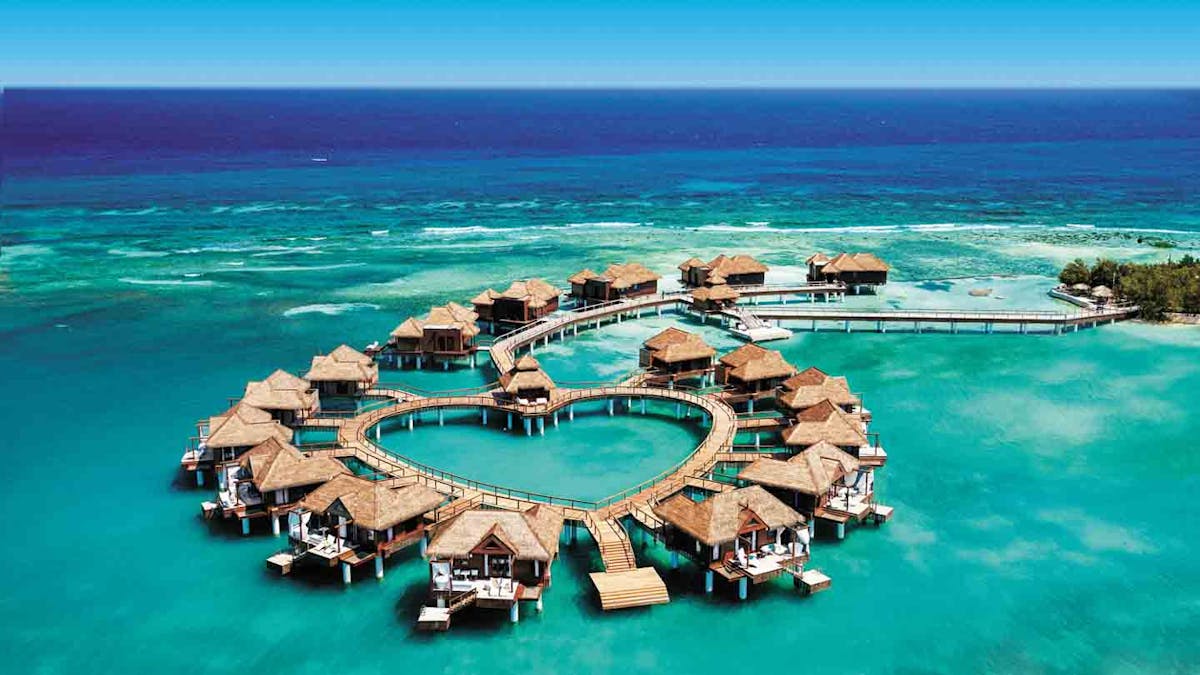
These narratives are imbued with profound intimacy Christie recounts childhood summers at Providence Beach the salt-laden breeze against her skin, the tang of fresh coconut water, and reggae harmonies drifting across the sands. Such memories now teeter on the precipice of obliteration behind walls and fees.
Returning in December, mere weeks after Hurricane Melissa, the transformation of the shoreline was starkly evident.
Across much of the north and west coasts, beaches had been subsumed into resort compounds or cordoned behind entry fees. Yet vestiges of Jamaica’s authentic soul persist.
At Dead End Beach and Discovery Bay, families congregated beneath expansive skies, fishermen meticulously prepared their glistening catch, and the lilting rhythms of reggae floated across the sands a fleeting yet resonant testament to a cultural landscape in peril.
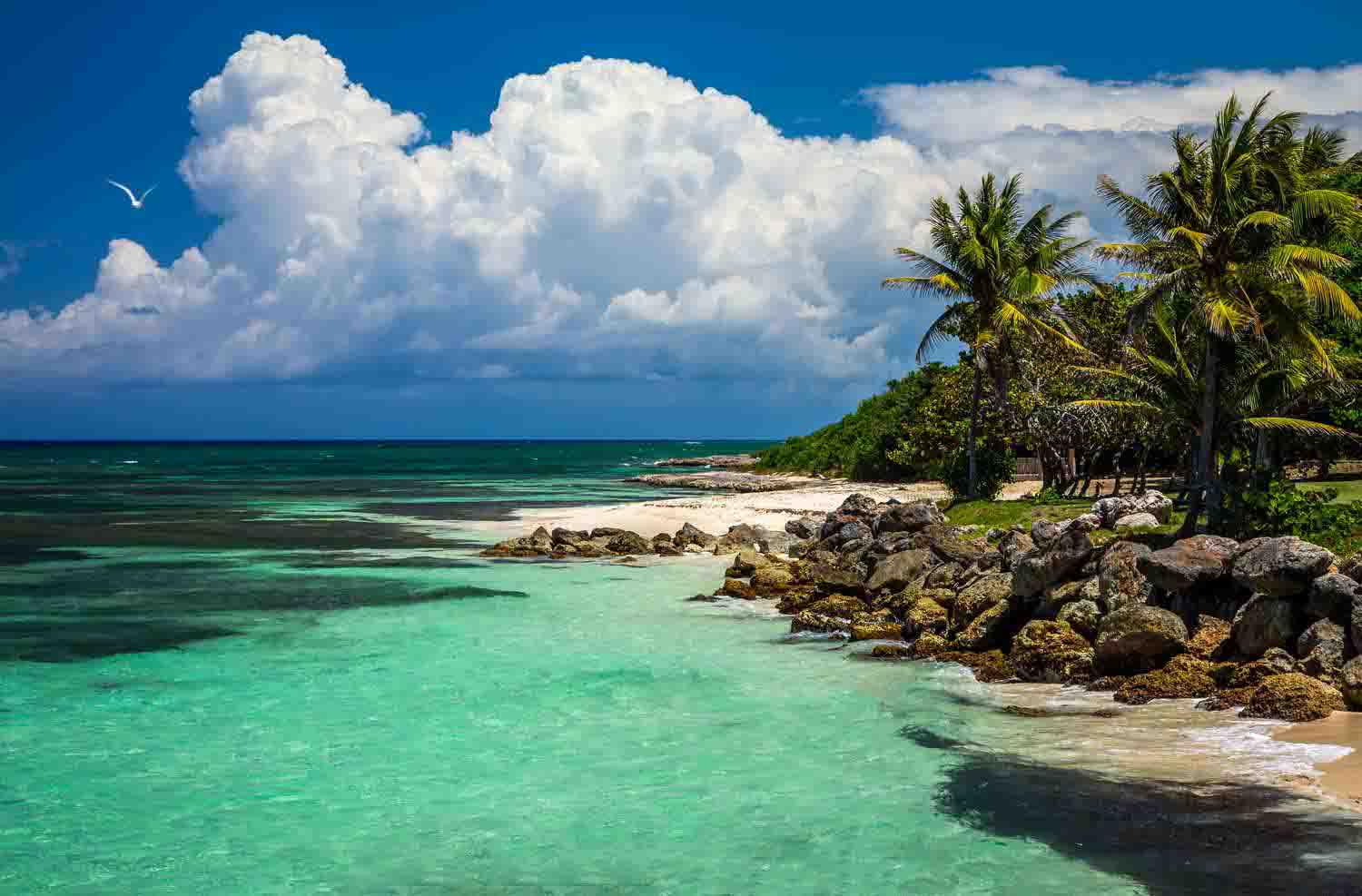
Taylor implores travelers to curate their experiences with intention. “Select accommodations that honor local communities. Eschew resorts that deny Jamaicans access to their own shores. Let your patronage reflect your principles.” Fortunately, refined and responsible alternatives endure.
In Negril, Jamaican-owned properties such as Charela Inn grace the public Seven Mile Beach, steps from craft markets, jerk chicken stalls, and live reggae performances. Southern Jamaica’s Treasure Beach offers accessible black-sand shores, framed by locally owned guesthouses sourcing produce from nearby farms and employing community guides.
Boutique hotels near Winnifred Beach provide serene, community-centered retreats. Near Kingston, Bob Marley Beach persists as both a cultural landmark and a bastion of resistance, where locals actively oppose further privatization.

Jamaica’s beaches are far more than idyllic destinations they are living repositories of heritage, identity, and sustenance.
As resort walls ascend and exclusive enclaves proliferate, one question emerges can paradise truly endure if the communities that have stewarded it for generations are systematically excluded?
For travelers seeking immersive, authentic, and ethically conscious experiences, the answer is unequivocal champion spaces that celebrate both natural splendor and local custodianship, ensuring that Jamaica’s coastline remains a living, breathing emblem of the island’s soul.