Amid ongoing discussions on ending the war in Gaza and ensuring post-conflict governance, humanitarian recovery, and reconstruction, US President Donald Trump has proposed a Gaza Peace Plan (GPP), which includes the formation of a Peace Board / Board of Peace to oversee stabilization efforts after a ceasefire.
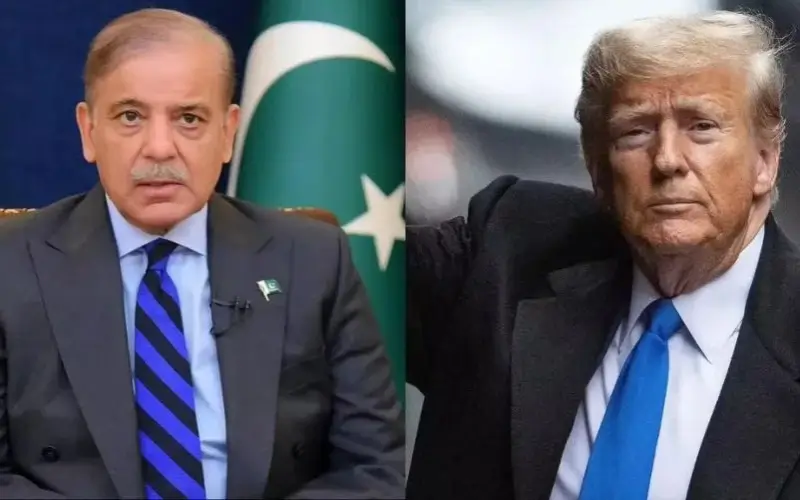
As part of this initiative, invitations have been sent to the heads of several countries to join the proposed Peace Board and contribute to collective efforts aimed at post-war stability, humanitarian access, restoration of basic services, and progress toward a long-term political solution. Pakistan’s Prime Minister has also received an invitation to become part of the proposed board.
The development is being viewed as a positive and dignified diplomatic breakthrough for Pakistan, reflecting growing international confidence in the country’s diplomatic standing, credibility, and constructive role in global affairs.
Diplomatic observers say the invitation is the result of sustained state-level diplomacy, timely international engagement, and a strategy aligned with Pakistan’s national interests. It also highlights the coordinated role of both civil and military diplomacy in strengthening Pakistan’s international profile.
Pakistan is increasingly being seen as a responsible, balanced, and solution-oriented actor on complex international issues, particularly those involving humanitarian crises and conflict resolution.
Officials and analysts stress that Pakistan’s potential participation or positive response to the Peace Board invitation is not driven by bloc or camp politics, but by a principled stance rooted in concern for the suffering of innocent civilians in Gaza and support for a just and lasting resolution to the Palestinian issue.
Pakistan has consistently advocated for the right to self-determination for the Palestinian people, protection of civilians, an immediate ceasefire, unhindered humanitarian assistance, and comprehensive reconstruction efforts in Gaza.
In this context, the invitation provides Pakistan with an opportunity to move beyond statements and play a practical role raising its voice on international platforms to address the humanitarian crisis and contributing to decisions that directly impact the lives of Palestinians.
Participation in the proposed board would also allow Pakistan to stand in solidarity with the Muslim world, fulfilling shared humanitarian and moral responsibilities, while ensuring that reconstruction and aid mechanisms remain transparent, fair, and inclusive.
Analysts note that Pakistan’s presence within global decision-making mechanisms can help prevent one-sided outcomes, safeguard Palestinian interests, strengthen coordination among Muslim countries, and promote balanced international approaches to relief and recovery.
Overall, the invitation is being described as a matter of honor, trust, and responsibility for Pakistan—one that the country is expected to channel toward a constructive role in support of humanity, justice, and peace.