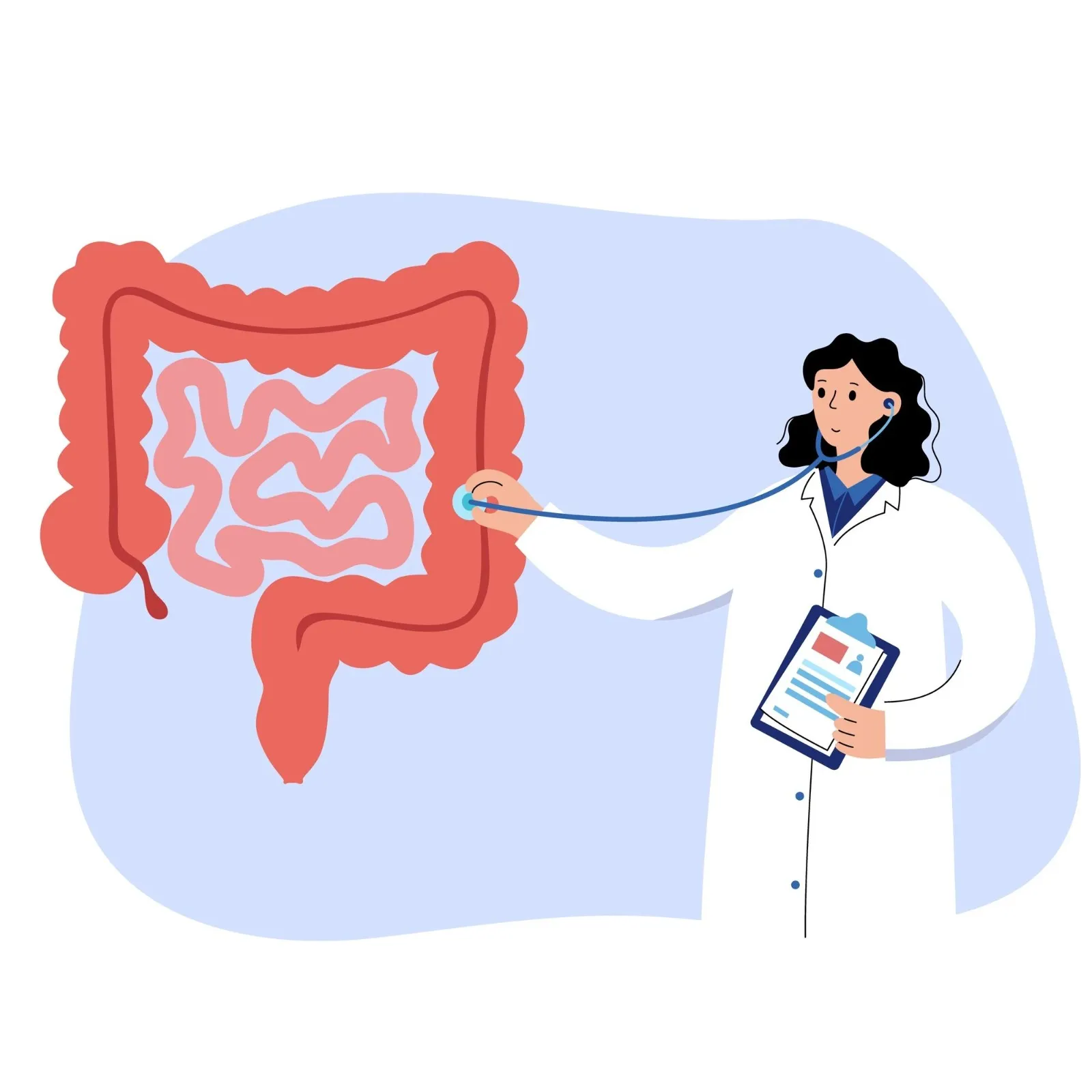
Colorectal cancer is now the leading cause of cancer-related death among adults younger than 50, according to a new study published in the Journal of the American Medical Association (JAMA). The finding marks a troubling shift, as overall cancer deaths in this age group have declined since 1990—except for colorectal cancer, which has steadily increased.
Researchers analyzed mortality data from the five most common causes of cancer death in people under 50 over the past three decades. In 1990, lung and bronchus cancer led cancer deaths in this age group, followed by breast cancer, leukemia, brain and other nervous system cancers, and colorectal cancer. Over time, death rates from most cancers declined, but colorectal cancer moved in the opposite direction.
Since 2014, deaths from lung cancer have dropped by 5.7% annually, breast cancer by 1.4%, leukemia by 2.3%, and brain cancer by 0.3%. During the same period, colorectal cancer deaths rose by an average of 1.1% per year, eventually becoming the top cause of cancer mortality among younger adults.
“This is deeply concerning and should be a wake-up call,” said Dr. Lilian Chen, chief of Colon and Rectal Surgery at Tufts Medical Center. “Every other leading cancer death rate is declining. That tells us something fundamentally different is happening with colorectal cancer in younger adults.”
The increase in deaths mirrors a rise in colorectal cancer diagnoses among people under 50. Since 2000, incidence rates in this age group have increased by 1.4% annually, while rates among adults over 50 have declined by more than 3% each year.
Experts say the reasons behind the trend are not yet fully understood. Possible contributing factors include changes in diet, rising obesity, sedentary lifestyles, alterations in the gut microbiome, and environmental exposures. However, physicians report seeing cases even among young adults who appear otherwise healthy.
“What makes this especially striking is that many younger patients are being diagnosed at later stages,” Chen said. About 75% of colorectal cancer patients under 50 are diagnosed after the disease has already advanced, which helps explain the rising mortality despite improvements in treatment.
Doctors emphasize that early detection remains the most effective way to reverse the trend. Current guidelines recommend colorectal cancer screening beginning at age 45, or earlier for those with a family history or other risk factors. Individuals with a first-degree relative diagnosed before age 50 are advised to begin screening 10 years earlier than their relative’s age at diagnosis.
Health experts also urge younger adults to pay attention to warning signs, which may include persistent abdominal pain, rectal bleeding, diarrhea, and iron-deficiency anemia.
“Early detection is the single most powerful tool we have,” Chen said. “If symptoms persist, people should talk to their doctor and learn about their screening options.”