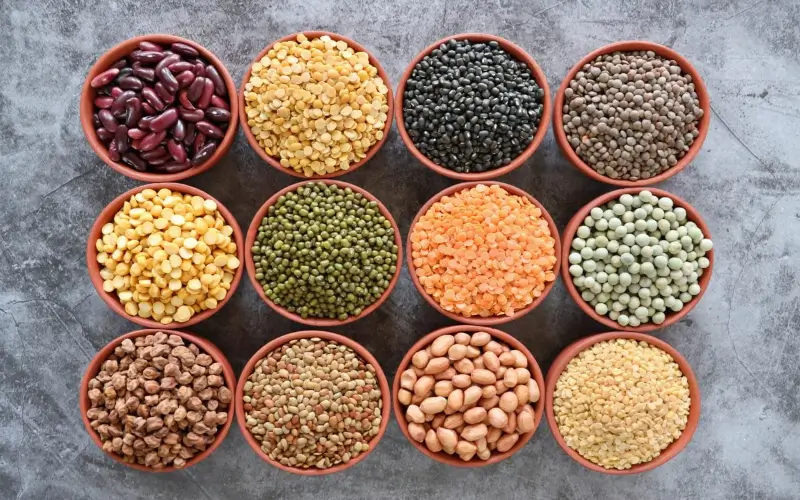
World Pulses Day is observed globally on February 10 each year to raise awareness about the importance of pulses in daily diets and their role in promoting both health and environmental sustainability. Pulses are considered a nutritious and affordable food source that provides essential nutrients while also supporting environmentally friendly farming practices.
Pulses can often be grown without excessive use of chemical fertilizers or pesticides, making them beneficial for local ecosystems. They also help reduce the impact of greenhouse gases, contributing positively to environmental protection.
The United Nations General Assembly declared 2016 as the International Year of Pulses to highlight their importance as a rich source of protein and an effective alternative to meat. For people who cannot afford meat regularly, pulses provide an accessible way to meet protein needs. They are also rich in fiber, iron, zinc, phosphorus, folate, and B vitamins, all of which are important for maintaining good health.
For farmers, pulse cultivation is considered profitable and environmentally sustainable because it requires fewer inputs such as fertilizers and chemicals, while also improving soil quality. Pulses remain affordable for the general public, allowing families with limited resources to maintain a nutritious diet. In Pakistan, commonly consumed pulses include mung beans, chickpeas, mash, lentils, and red and white beans, with dishes like lentils and rice being popular household meals.
Pulses also offer several health benefits beyond basic nutrition. Medical research suggests that diets rich in plant-based protein may reduce the risk of infertility in women, as pulses can support the fertilization process. The fiber content in pulses helps maintain long-lasting energy levels, keeping both body and mind active.
Regular consumption of pulses may also help control cholesterol levels and maintain healthy body weight. Studies indicate that replacing meat with pulses can lower the risk of gallbladder stones, as high-fat foods may negatively affect gallbladder health. Pulses are also known to support healthy blood pressure, with lentils in particular contributing to improved blood vessel health and reduced risk of hypertension.
In addition, pulses help improve digestion and regulate blood sugar levels, which may lower the risk of type 2 diabetes. World Pulses Day serves as a reminder of the nutritional and environmental value of pulses and encourages people to include them in their daily meals for a healthier lifestyle.