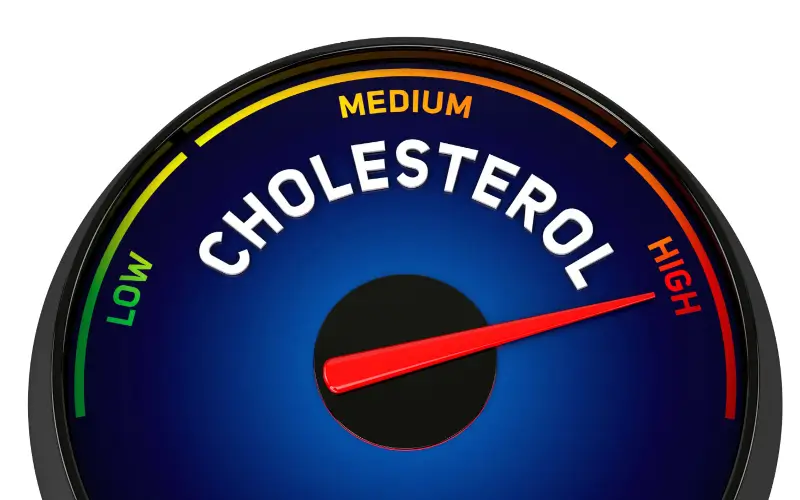
Maintaining healthy cholesterol levels is important for overall health, especially for protecting the heart and blood vessels. Cholesterol is a fatty substance found in the blood that the body needs to build healthy cells. However, when cholesterol levels become too high, it can lead to serious health problems such as heart disease, stroke, and blocked arteries. Managing cholesterol through healthy habits can help reduce these risks and support long-term well-being.
One of the most effective ways to maintain healthy cholesterol levels is by following a balanced diet. Eating foods that are low in saturated and trans fats can help control cholesterol. These unhealthy fats are commonly found in fried foods, processed snacks, and fatty meats. Instead, people should focus on consuming heart-friendly foods such as fruits, vegetables, whole grains, nuts, seeds, and lean proteins. Foods rich in healthy fats, like fish, avocados, and olive oil, can also help improve cholesterol levels.
Regular physical activity is another important factor in maintaining healthy cholesterol. Exercise helps raise high-density lipoprotein (HDL), which is often called “good cholesterol.” HDL helps remove excess cholesterol from the bloodstream. Activities such as walking, jogging, cycling, swimming, or any form of regular movement for at least 30 minutes a day can significantly improve heart health and support balanced cholesterol levels.
Maintaining a healthy body weight also plays a key role in controlling cholesterol. Excess body weight can increase low-density lipoprotein (LDL), known as “bad cholesterol,” while lowering HDL levels. Even small weight loss can make a positive difference in cholesterol levels and overall health.
Limiting sugar and refined carbohydrates is also helpful. Foods high in sugar, such as soft drinks, sweets, and processed snacks, can increase triglyceride levels and contribute to unhealthy cholesterol patterns. Choosing whole foods and reducing sugary drinks can support better cholesterol control.
Avoiding smoking is another important step for maintaining healthy cholesterol levels. Smoking lowers HDL cholesterol and damages blood vessels, increasing the risk of heart disease. Quitting smoking can quickly improve cholesterol balance and overall cardiovascular health.
Managing stress is also beneficial. Long-term stress may indirectly affect cholesterol levels by encouraging unhealthy habits such as overeating, smoking, or lack of exercise. Practicing relaxation techniques such as meditation, deep breathing, or spending time on hobbies can help manage stress and support better health.
Regular medical checkups are important for monitoring cholesterol levels. Blood tests help doctors measure different types of cholesterol and determine whether they are within a healthy range. If levels are too high, doctors may recommend lifestyle changes or medication to manage the condition.
Maintaining healthy cholesterol levels requires a combination of good nutrition, regular exercise, healthy weight management, and positive lifestyle choices. By making small but consistent changes in daily habits, individuals can protect their heart health and reduce the risk of serious health problems in the future.