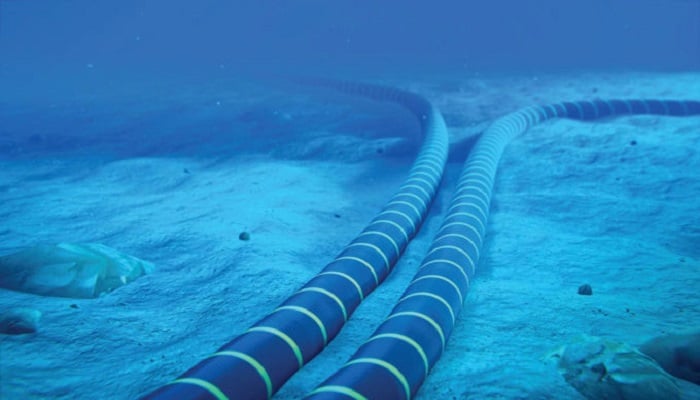
TEHRAN: Iran is floating the idea of imposing access fees on undersea internet cables crossing the Strait of Hormuz, a move that could further strain global trade following recent passage disruptions.
The plan, first laid out by Iran’s state-linked Tasnim news agency, which is affiliated with the Islamic Revolutionary Guard Corps, would force telecom firms operating cables under the strait to pay what Iran calls an access fee.
From a regulatory perspective, the measure would also require tech giants such as Google, Meta, Microsoft and Amazon to comply with vaguely defined laws of Iran.
Additionally, the Islamic Republic could take over cable maintenance in the strait and charge further fees. The moves could generate up to €13 billion in revenues for the country.
European firms from Italy, Greece and the U.K. are part of the managing consortium of at least four cables passing under the strait, according to the Submarine Telecoms Forum.
Two of these cables are particularly important as they connect Asia to Europe: the Asia Africa Europe-1 cable, whose owners include Italy’s Retelit and Greece’s OTEGLOBE, and the PEARLS/2Africa cable, part of the world’s largest subsea cable system.
Currently, no consensus exists among experts surrounding the threats floated by Iran. Some claim consequences would likely extend far beyond telecom infrastructure, affecting global trade, maritime law, military strategy, internet governance and great-power politics.
“European financial institutions, cloud providers, telecommunications firms and multinational corporations rely heavily on low-latency submarine cable networks for banking transactions, digital services, energy trading and industrial operations,” Meredith Primrose Jones, head of geopolitics and security for risk and compliance advisory firm Leidra, told Europe in Motion.
“Any increase in political risk around the Strait of Hormuz could raise connectivity costs, delay infrastructure projects and create greater vulnerability for Europe’s digital economy,” she said.
Other experts downplayed the threat. The International Cable Protection Committee told Europe in Motion that bandwidth traversing the Strait of Hormuz accounts for less than 1% of international bandwidth globally, and backup systems connected to the Gulf region would make the impact minimal even in case of cable failure.
Iran’s plan is not without precedent: Egypt charges for underwater cable access, generating significant revenue. However, cables crossing Egypt physically pass through its territory and rely on its terrestrial infrastructure. In the Strait of Hormuz, most cables do not enter Iranian territory, meaning Tehran would have little legal basis for charging access. The United Nations Convention on the Law of the Sea protects maritime flows and international navigation. Iran signed the treaty in 1982 but never ratified it.
Iran, Oman discuss Strait of Hormuz tolls
Separately, Iran is reportedly discussing with Oman a plan to collect tolls from ships passing through the strait, through which 20% of global oil and LNG supply passes. Concerns have emerged that imposing tolls could raise transportation costs and impact energy prices.
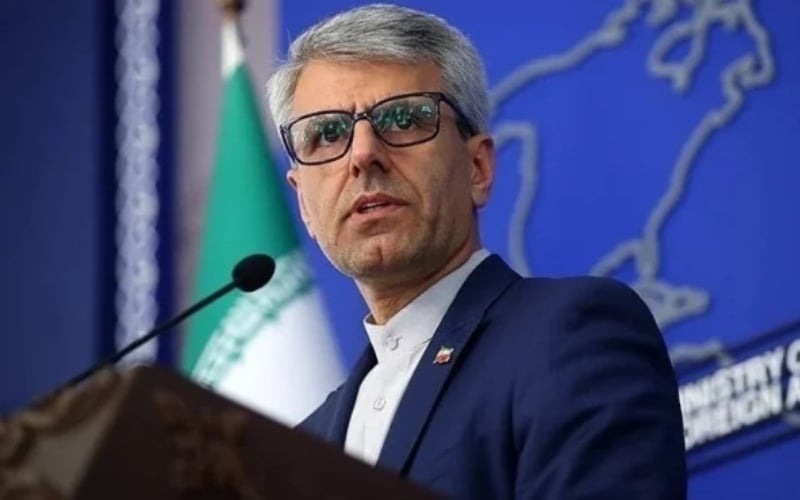
Iran’s ambassador to France, Mohammad Amin-Nejad, stated in a Bloomberg interview in Paris on Tuesday, “Iran and Oman must mobilize all resources to provide security services and manage navigation in the most appropriate manner,” adding, “This will involve costs, and those who wish to benefit from this traffic should also pay their share.”
The strait, situated between Iran to the north and Oman to the south, connects the Persian Gulf and the Indian Ocean. Before the outbreak of the Iran war on Feb. 28, 135 ships passed through the strait daily, but only 26 have transited in the past two days. The decline is attributed to concerns over Iranian missile and drone attacks, as well as underwater mines. Consequently, international oil prices have surged to $110 per barrel, fueling global inflation worries.
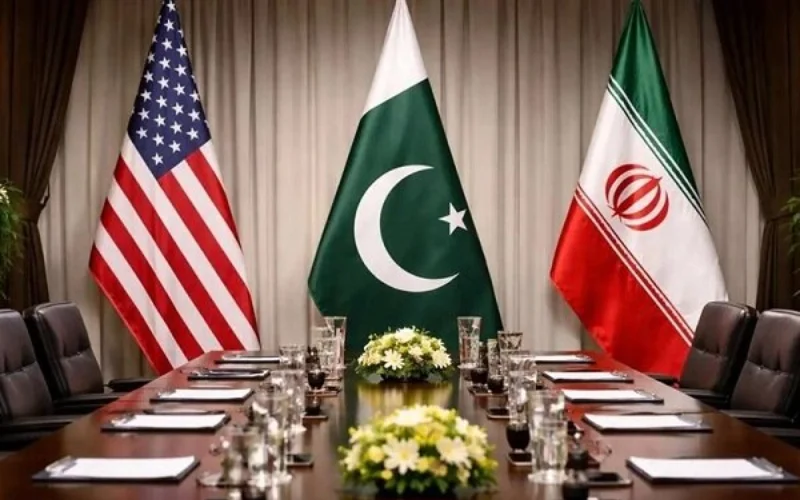
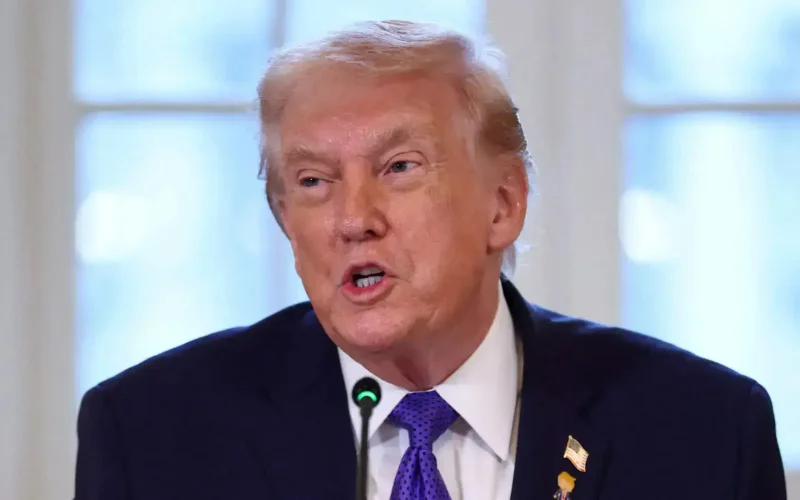
The U.S. has consistently opposed toll collection in the strait. President Donald Trump told reporters at the White House on Wednesday, “We want passage to be free and do not want tolls. That is an international waterway.” Secretary of State Marco Rubio also warned that pursuing such a plan would make diplomatic agreements “impossible.”