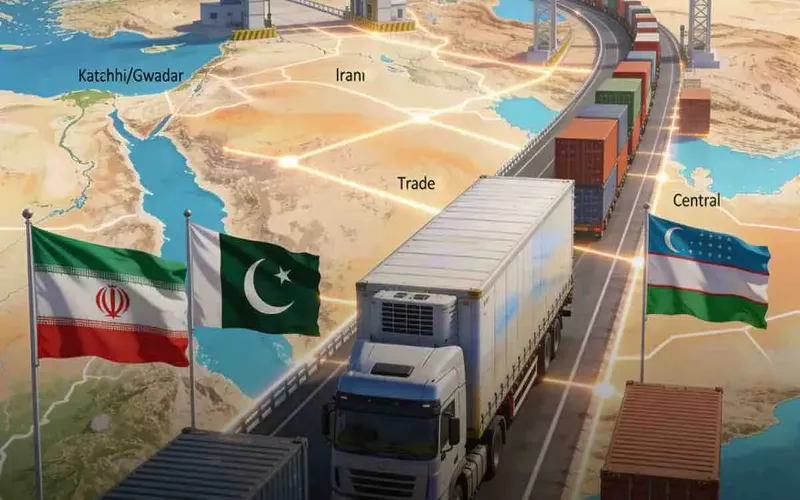
Cross border trade between Pakistan and Iran through the Gabd-Rimdan border has completely stopped.
The situation has raised concerns about a possible LPG shortage across Pakistan. At the same time, hundreds tons of export goods, including rice and mangoes, are at risk of spoilage due to delays.
The Gwadar Chamber of Commerce and Industry (GCCI) has asked the federal government and customs authorities to take immediate action. The chamber urged officials to remove delays and ensure the smooth movement of commercial vehicles across the border.
According to GCCI, trade activities have been disrupted because of lengthy customs procedures. The chamber claimed that unnecessary delays are creating serious problems for traders and transporters.
GCCI President Jiand Hoot said Pakistan’s border trade system is already facing major challenges. He pointed out that the Chaman border remains closed. Meanwhile, traders at the Taftan-Zahedan crossing are on strike because of security concerns.
He also noted that trade through the Panjgur and Mand-Radig crossings is very limited. Poor road conditions and repeated incidents of vehicle burnings have affected business activities in those areas.
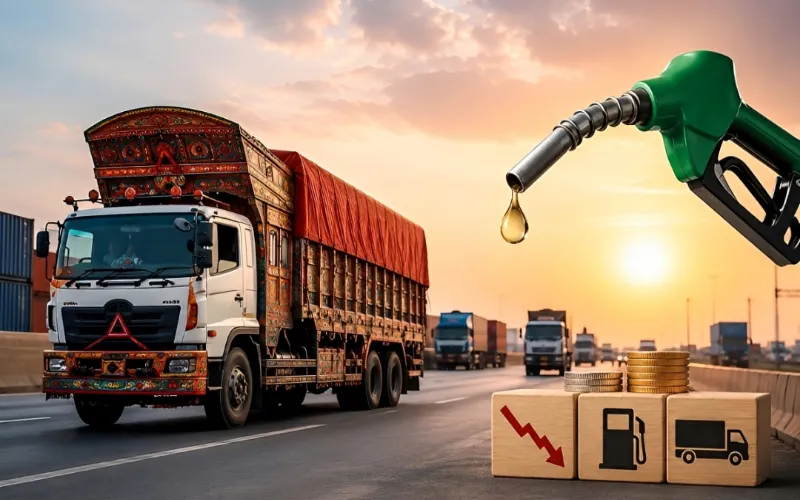
As a result, Pakistan has become heavily dependent on the Gabd-Rimdan crossing for overland trade and energy supplies. However, hundreds of LPG trucks and bowsers have reportedly remained stranded for the last two weeks while waiting for customs clearance.
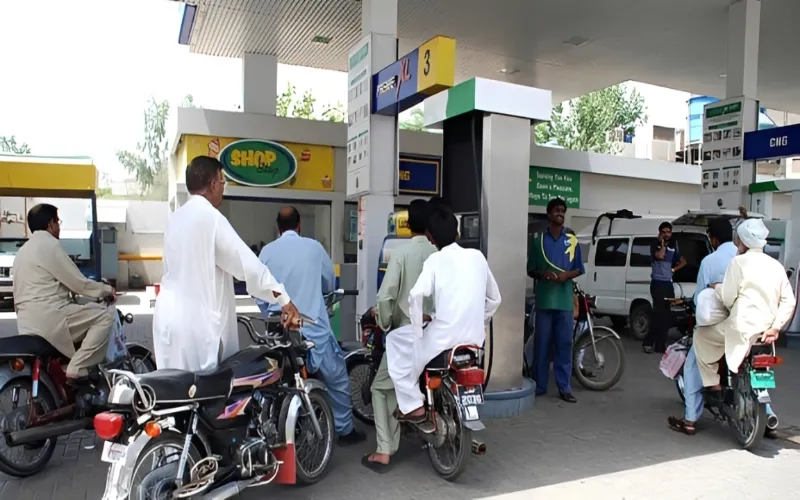
The delays have already affected LPG supplies in several cities. According to traders, prices have increased in Karachi and parts of Punjab. In some areas, LPG has become difficult to find even at Rs400 per kilogram.
Mr Hoot warned that the situation could worsen if the border remains blocked. He said shipping challenges in the Strait of Hormuz have already put pressure on energy supplies. Therefore, continued delays at Gabd-Rimdan could create a nationwide LPG shortage.
He further claimed that Iranian commercial vehicles are being turned back from the National Logistics Corporation (NLC) yard. The disruption has affected both imports and exports, causing financial losses for traders on both sides of the border.