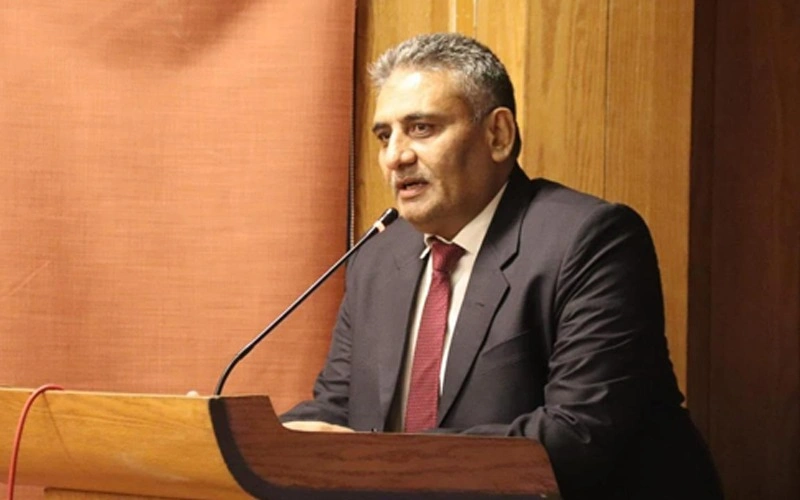
KARACHI: Pakistan Yarn Merchants Association (PYMA) Chairman Saqib Goodluck has called the Federal Budget 2026-27 an “elitist budget,” by saying it ignores small and medium enterprises and fails to address the problems of the textile trade sector.
He said the government continues to support large manufacturers and industry while importers and traders face increasing pressure and unequal policies.
He added that PYMA had already submitted detailed proposals to the government and the Federal Board of Revenue before the budget.
These proposals focused on creating fair competition and removing policy gaps between industry and trade. However, he said none of the suggestions were included, which has disappointed the business community.
Goodluck said Pakistan textile sector is already under stress due to rising costs, policy imbalances, and increasing dependence on imported raw materials.
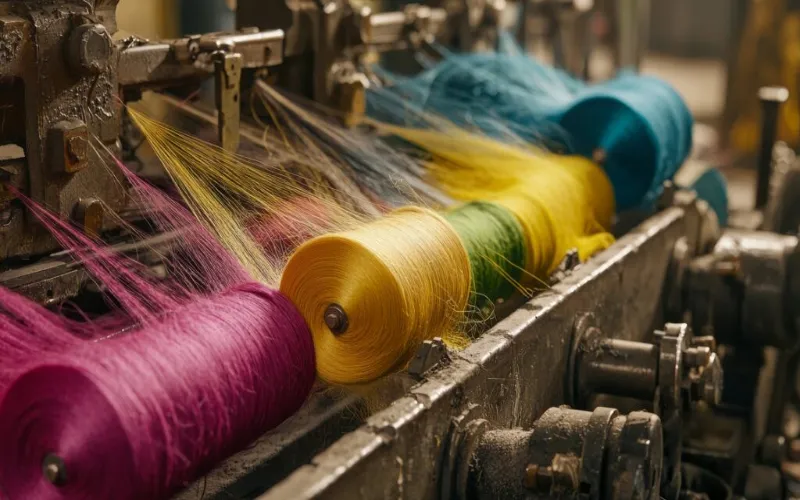
He pointed out that yarn, which is a key input for the textile industry, is now increasingly imported instead of being fully produced locally.
Pakistan is importing large quantities of cotton and yarn from countries like the United States, Brazil, and China. In fact, more than 60% of cotton yarn imports now come from China, which is often cheaper than local production.
He explained that Pakistan once had a strong cotton and spinning base, but production has declined in recent years.
As a result, cotton yarn imports have increased sharply, with estimates showing a rise of nearly 200% in yarn imports and a major increase in cotton import bills this year.
Overall, cotton and textile intermediate imports are expected to cost the economy billions of dollars, putting additional pressure on the trade balance.
At the same time, Pakistan export sector is facing global challenges, including new U.S. “reciprocal tariffs” of around 29% on Pakistani goods. These trade pressures, combined with weak domestic competitiveness, are making it harder for local textile producers to compete in international markets.
Industry experts say structural issues such as high energy costs, taxation policies, and lack of incentives have further weakened local yarn production.
Goodluck said the current budget did not address these structural issues or review the duty system in a meaningful way.
He added that cheaper imported yarn, especially from China under various trade agreements and duty schemes, is putting local spinning mills under pressure and reducing competitiveness.
He demanded that the government revise its policies, support SMEs, and remove unfair differences between manufacturers and traders.
He stressed that fair and balanced policies are necessary to strengthen Pakistan textile trade and ensure long term economic stability.