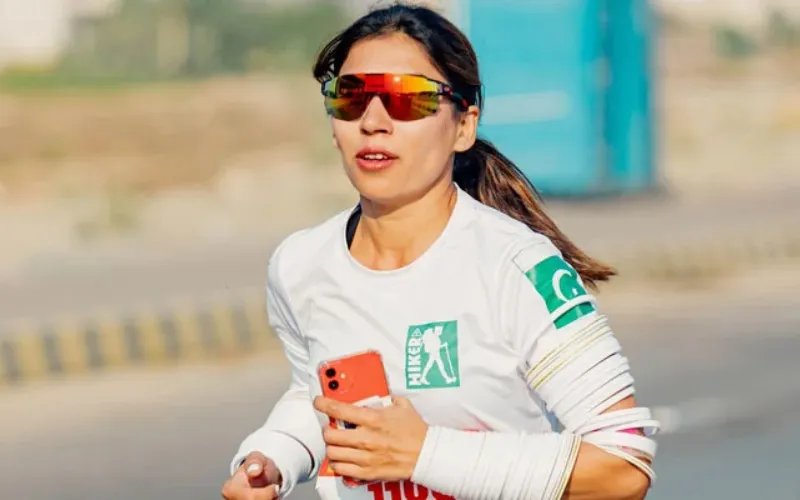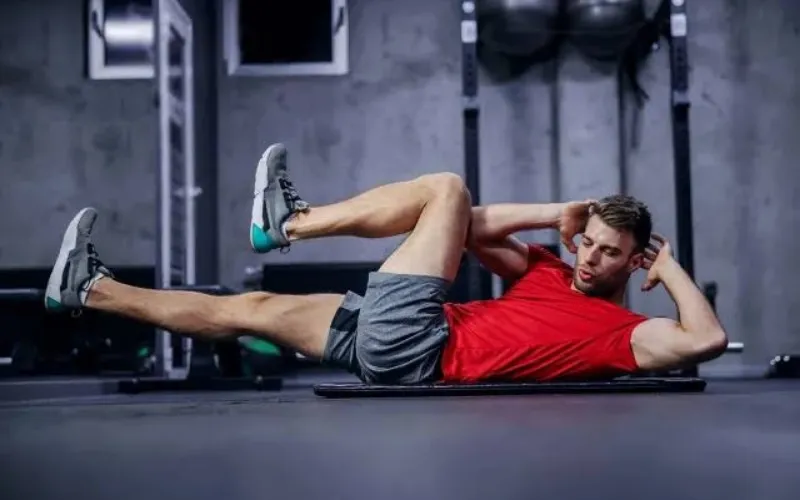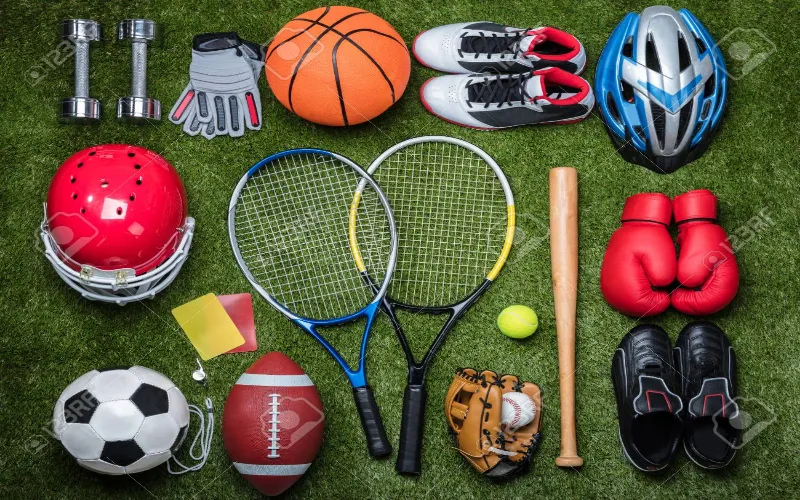
Sport is no longer limited to professional athletes or structured training. It has become part of everyday life, shaping how people dress, eat, travel, and spend their free time.
Across the world, more people are taking part in recreational activities such as hiking, biking, group fitness classes, and outdoor adventure sports. The shift has turned sport into a lifestyle choice rather than just a competitive activity.
Experts say this change is also driving strong growth in global markets linked to sports and recreation. Industry reports show major expansion in outdoor gear, fitness equipment, and leisure products, with steady growth expected through 2030 and beyond.
New sports such as pickle ball and paddle are playing a major role in this trend. Pickle ball has seen rapid growth in participation due to its simple rules, low cost, and social nature. Millions of people now play the sport, and its popularity continues to rise globally.
Paddle is also gaining attention in several countries, including the United States and the United Kingdom. The sport is fast paced, easy to learn, and increasingly popular among both men and women.
Outdoor recreation is another major driver of the lifestyle shift. Activities such as hiking, camping, kayaking, mountain biking, and rock climbing are attracting more participants as people look for healthier and more active routines.
At the same time, sportswear and athleisure have become part of everyday fashion. Many people now wear athletic clothing outside the gym, making comfort and style an important part of modern wardrobes.
Technology is also reshaping the sports lifestyle. Smart fitness devices, AI coaching tools, and wearable trackers are helping users monitor performance, recovery, and overall health.
Industry experts say this growing ecosystem has created strong opportunities for brands. Lifestyle sports agencies are now helping companies connect with audiences through events, digital campaigns, and influencer marketing.
Analysts believe the lifestyle sports sector will continue to expand as health awareness, technology, and social trends push more people toward active living