A fresh trade dispute has erupted between Washington and Brasília as the United States announced 25% tariffs on most imports from Brazil, reigniting tensions between the two countries after months of unsuccessful negotiations.
The new duties, set to come into effect on July 22, follow the conclusion of a year-long investigation by the US government into what it calls unfair Brazilian trade practices.
The tariffs have been imposed under Section 301 of the Trade Act of 1974, which allows the US to take action against countries accused of harming American businesses through unfair policies.
According to the US Trade Representative’s office, the investigation focused on several Brazilian measures, including restrictions affecting US technology companies such as X, Meta and Google, intellectual property enforcement concerns, preferential tariff arrangements for Mexico and India, and barriers in Brazil’s ethanol market.
While the new 25% levy will cover most Brazilian imports, some major products have been excluded from the measure, including beef, orange juice, aircraft and aircraft parts, and energy-related products.
Brazil’s Ministry of Development, Industry, Trade and Services has not yet issued an official response to the announcement.
Read More: China’s exports surge at fastest pace since 2021 as AI boom and tariff rush supercharge trade
The latest move comes months after the US Supreme Court blocked former President Donald Trump’s earlier decision to impose 50% tariffs on Brazilian goods, allowing only a 10% global tariff to remain.
The Trump administration later launched a Section 301 investigation to regain broader authority to impose trade penalties without additional congressional approval.
The US Trade Representative said the additional tariffs were necessary to protect American workers and companies by creating fairer trade conditions.
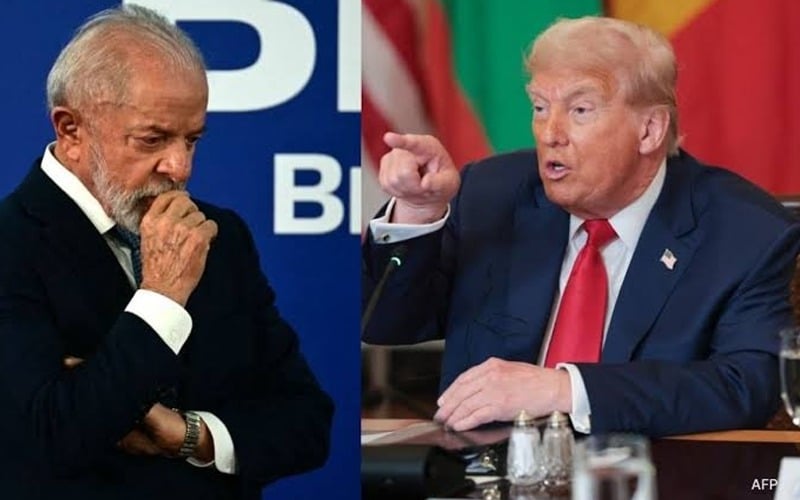
Following the announcement, US Secretary of State Marco Rubio accused Brazilian President Luiz Inácio Lula da Silva’s government of failing to negotiate seriously, claiming Brazil placed political interests ahead of reaching an agreement.
The decision came after months of diplomatic engagement, including multiple meetings between Brazilian officials and US trade representatives.
Lula had earlier rejected Washington’s tariff proposal, saying Brazil would not accept what he called unfair treatment.
The US is also conducting a separate investigation into Brazil’s enforcement of forced-labor regulations, which could lead to an additional 12.5% tariff on Brazilian goods.
The trade dispute has now entered Brazil’s domestic political debate ahead of the October presidential election.
President Lula has accused Senator Flavio Bolsonaro of contributing to the tariff decision following his Washington visit. Bolsonaro has denied the allegation, saying he plans to seek a delay in the tariff implementation until after the election.