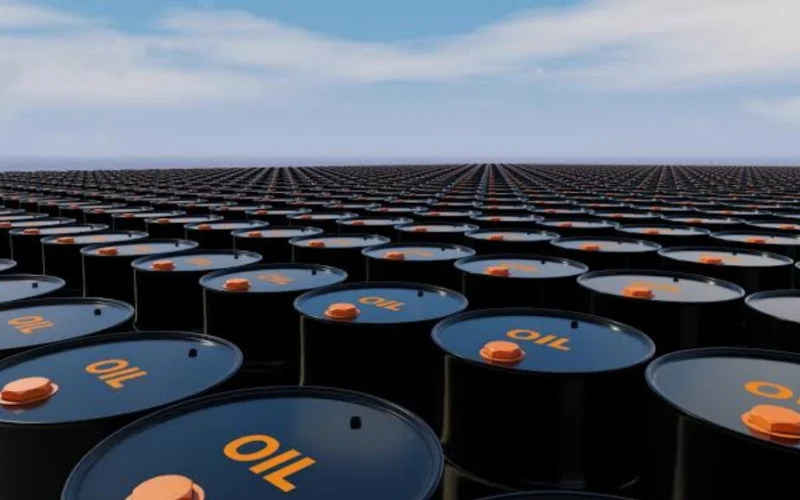
LONDON: Global oil prices climbed above $100 a barrel for the first time since May as escalating tensions in the Middle East fueled concerns over potential disruptions to global energy supplies.
Brent crude, the international benchmark, rose more than 6% in Thursday trading, surpassing the psychologically significant $100-a-barrel mark. Investors increased buying amid fears that a wider regional conflict could threaten the flow of oil through key shipping routes.
The price rally comes as attacks on commercial shipping in the Red Sea continue, with Yemen’s Houthi movement reportedly targeting Saudi oil tankers and other commercial vessels. The Red Sea and the Bab el-Mandeb Strait are among the world’s busiest maritime corridors for oil and cargo shipments linking Asia, Europe and the Middle East.
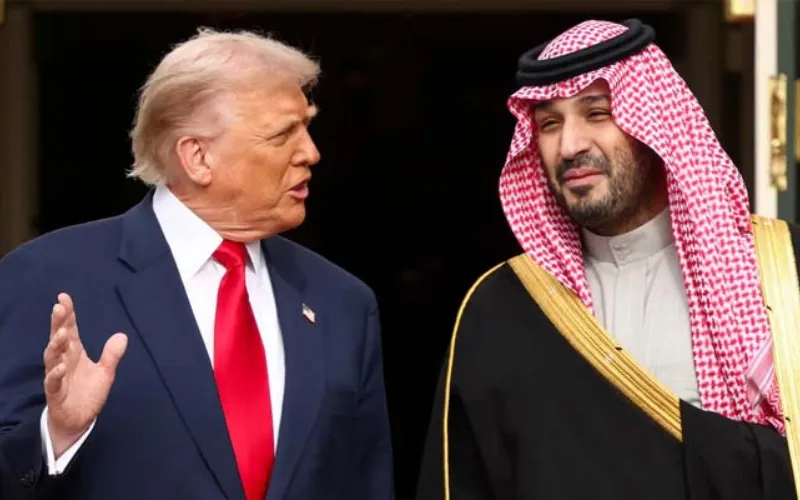
US President Donald Trump blamed both the Houthis and Iran for the attacks, saying Washington holds Tehran responsible for supporting the group. He warned that the United States could respond with significant military action if attacks on international shipping continue.
Energy analysts say sustained oil prices above $100 a barrel could drive up global fuel, electricity and transportation costs, adding to inflationary pressures and slowing economic growth.
Analysts also warned that if tensions expand to the Strait of Hormuz through which roughly one-fifth of the world’s oil supply passes global crude prices could rise even further.
More read, Asian, European LNG buyers to seek lower prices, supply guarantees from Qatar, UAE
Earlier, Asian and European buyers of liquefied natural gas plan to push for lower prices and additional supply guarantees from Qatar and the United Arab Emirates after the U.S.-Iran war drove up insurance costs on deliveries from the region, buyers, traders and industry executives told Reuters.
The war has reshaped the global energy industry, undercutting the reputation of Gulf producers as the world’s most reliable suppliers, a status that had long given them significant leverage in negotiations. That leverage has weakened since the conflict halted most oil and gas flows through the Strait of Hormuz, the shipping chokepoint at the entrance to the Middle East Gulf.