TOKYO / SINGAPORE: Global oil markets received a major relief signal on Monday as crude prices dropped sharply after US President Donald Trump paused further action against Iran and opened the door for negotiations.
The move eased fears of a prolonged regional crisis and potential disruptions through the strategically important Strait of Hormuz.
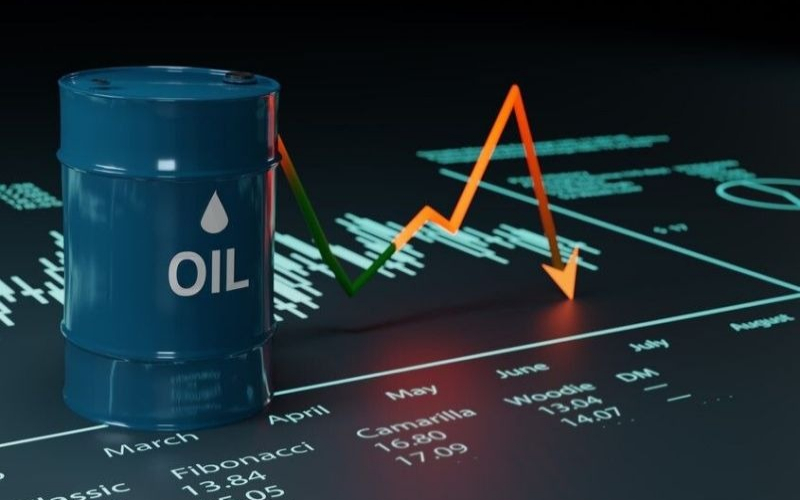
Brent crude futures fell $4.08, or 4.64%, to $83.85 a barrel by 2352 GMT, while US West Texas Intermediate (WTI) crude declined $4.01, or 4.74%, to $80.66 a barrel.
The decline came after Trump said Iran and other Middle Eastern countries had requested additional time to complete a potential agreement that could lead to the “immediate, complete and total” reopening of the key oil route and an end to Iran’s nuclear threat.
Trump said negotiations with Iran would begin, although he did not provide details about the location of the talks or the participants involved.
Read More: Oil prices slip but stay on track for monthly gain
“Now what we’re doing is we’re talking to them in the form of a negotiation. It begins tomorrow afternoon,” Trump said.
The possibility of diplomatic progress eased concerns in global energy markets after crude prices had surged more than 20% last month following renewed fighting between the United States and Iran and attacks on several tankers near Oman.
The incidents raised security concerns and discouraged some shipping companies from entering the Gulf region to transport oil.
Hours after major US strikes on Iran were called off, Iran said it was close to reaching an agreement with Oman on a new route through the Strait of Hormuz.
However, market analysts warned that uncertainty remained over whether diplomatic efforts would succeed.
“The bigger focus is whether this week turns into a rinse and repeat of last week with hopes of a deal collapsing as Iran digs in its heels and continues to leverage its control over the Strait,” said IG market analyst Tony Sycamore.
Shipping data showed that two tankers carrying Saudi oil crossed the Bab al-Mandab Strait from the Red Sea over the weekend, while traffic through the Strait of Hormuz slowed following reports of vessel attacks.
The United Kingdom Maritime Trade Operations also reported three additional tanker attacks since Saturday.
Meanwhile, OPEC+ approved an increase of around 188,000 barrels per day in its oil production quota from September, completing the reversal of a layer of voluntary output cuts.
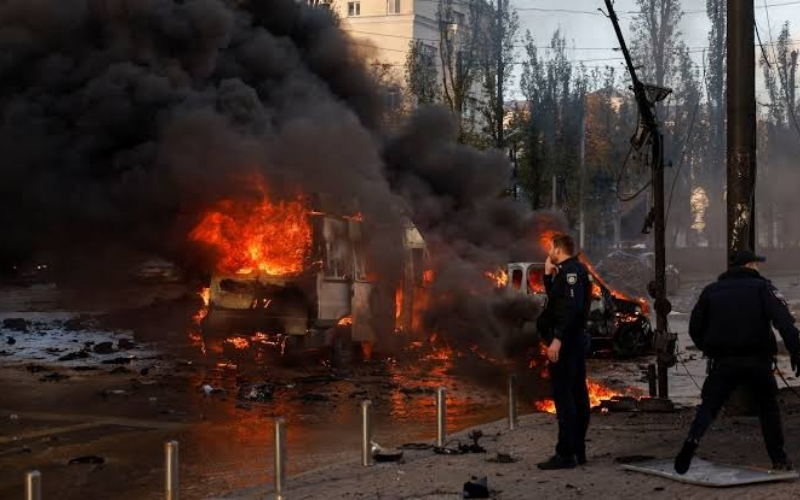
However, previous monthly production increases by the group have had limited impact on global markets due to export disruptions linked to conflicts involving Iran and Ukraine, particularly affecting supplies from the Gulf, Russia, and Kazakhstan.