In the history of nations, there are moments when leadership is tested not by the ability to exercise power, but by the vision and wisdom to prevent conflict, build bridges, and create pathways towards peace. At a time when the Makkah Peace Agreement has signed between Pakistan, Saudi Arabia and Türkiye.
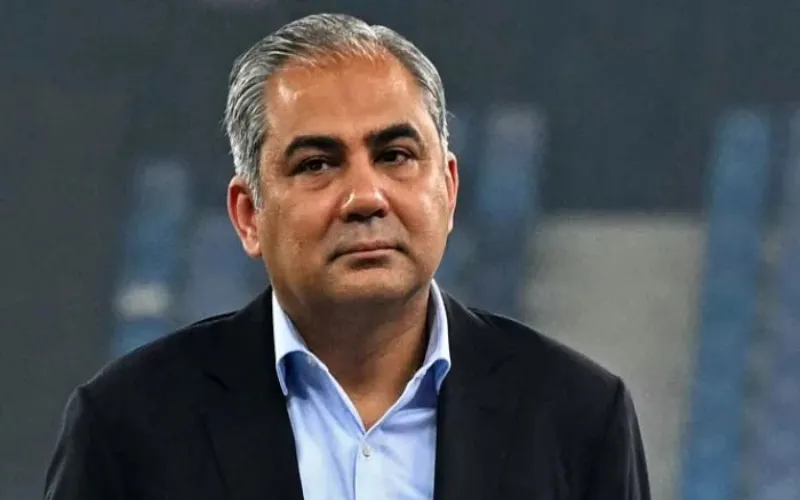
Against this backdrop, the important visit of Federal Minister for Interior Mohsin Naqvi with Iran represents a significant expression of Pakistan’s commitment to dialogue, regional stability, and global peace. His visits to Tehran came as Pakistan intensified its efforts to facilitate communication and encourage the resumption of negotiations between Iran and the United States.
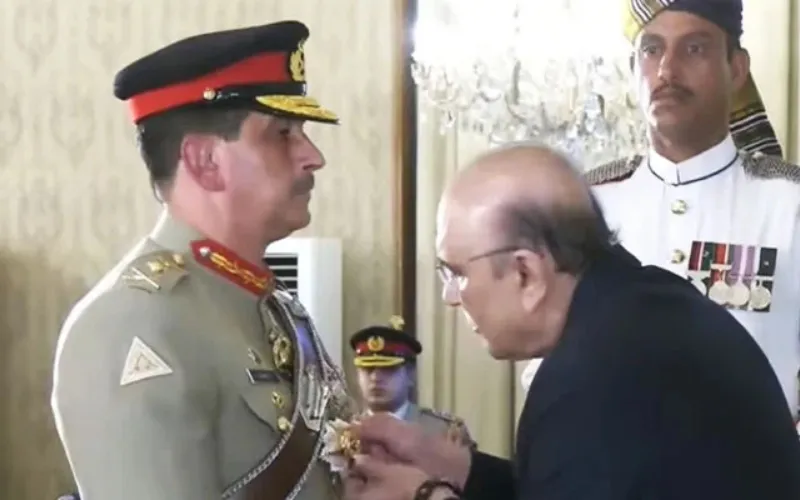
This diplomatic initiative assumes even greater significance under the strategic and dynamic leadership of Field Marshal Syed Asim Munir, Chief of Defence Forces. The participation of the Pakistani leadership in these sensitive diplomatic efforts reflects an important national message: Pakistan possesses the strength to defend itself, but its ultimate objective is peace, stability, and prosperity, not war.
A mission beyond borders:
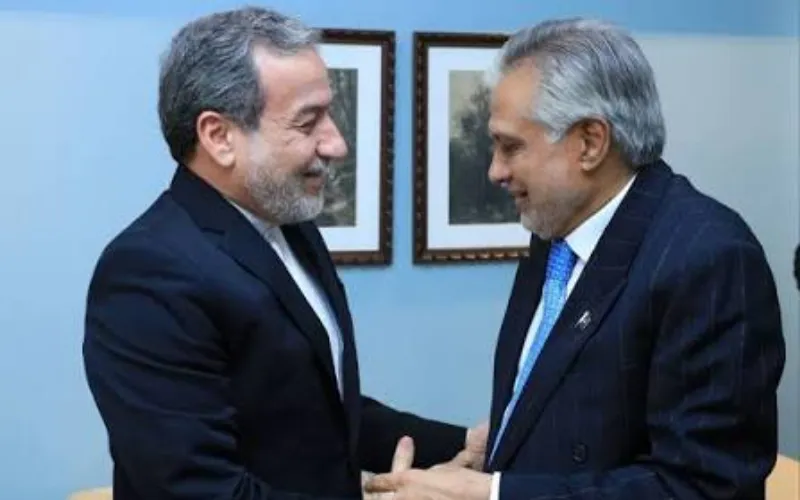
Mohsin Naqvi’s engagement with Iran should not be viewed merely as another bilateral diplomatic visit. It represents Pakistan’s broader effort to contribute positively towards peace in the regional and global. During his engagements in Tehran, Mohsin Naqvi held discussions with senior Iranian leaders concerning bilateral relations, regional developments, security issues, and prospects for peace negotiations.
Iranian officials also acknowledged Pakistan’s constructive role and praised the sincere efforts of Field Marshal Syed Asim Munir and Mohsin Naqvi in promoting regional peace and global stability.
Pakistan, sharing borders, history, culture, and deep ties with Iran, is uniquely positioned to understand the concerns of the region. Islamabad therefore has a genuine interest in preventing further escalation and encouraging peaceful solutions.
Field Marshal Asim Munir’s strategic vision:
The effective role of Field Marshal Syed Asim Munir provides the strategic foundation for this national and international peace efforts.
Mohsin Naqvi: A man of action with a vision of “Mohsin Speed” :
Mohsin Naqvi has become associated with an administrative philosophy that may aptly be described as a man of action with his vision and slogan of “Mohsin Speed”, the ability to move quickly, engage directly, remain accessible, and translate decisions into action.
Mohsin Naqvi’s repeated engagements with Tehran demonstrated persistence and urgency. His consistent visits and close contact with Tehran within a short period reflected Pakistan’s determination to keep diplomatic channels open with both Iran and the United States.
During these engagements, he met with senior Iranian leadership as Pakistan continued its efforts to facilitate dialogue, this is the essence of proactive diplomacy, do not wait for peace to arrive work for it.
Pakistan: A peace loving nation:
Pakistan’s role in the current regional and global crisis is consistent with its longstanding position that disputes should be resolved through dialogue and peaceful means. Pakistan does not desire instability, especially in the Middle East and the world.
A prolonged conflict would have devastating humanitarian consequences, threaten regional and global security, disrupt international trade and energy supplies, and create new challenges for both developed and developing countries. Pakistan therefore has a direct national interest in peace, but its efforts also reflect a wider responsibility towards the Muslim world and the international community.
Building bridges between Tehran and Washington:
One of the most important aspects of Pakistan’s recent diplomatic activity has been its willingness to facilitate communication between Iran and the United States. Pakistan has attempted to provide a channel through which messages can be communicated and possibilities for renewed negotiations can be explored.
Recent reporting indicates that Pakistan has continued to play an important mediating role in efforts aimed at bringing Washington and Tehran closer to a diplomatic arrangement.
This development gives additional context to the importance of Pakistan’s earlier diplomatic initiatives.
The significance of Naqvi’s Tehran engagement therefore extends beyond Pakistan-Iran relations. It forms part of a broader Pakistani effort to encourage a solution to a conflict with consequences far beyond the Middle East.
Iran’s recognition of Pakistan’s constructive role:
The response from the Iranian leadership is also very significant, as Iranian Interior Minister Eskandar Momeni praised Pakistan’s constructive role and the sincere efforts of Field Marshal Syed Asim Munir and Mohsin Naqvi in seeking to resolve the conflict and promote regional peace.
Such recognition demonstrates that Pakistan’s diplomatic engagement was not perceived merely as symbolic. Islamabad was attempting to play its important and constructive role as a responsible country, one that can communicate with different sides while maintaining its own national interests.
Pakistan’s geographical position gives it a unique diplomatic advantage. It is situated at the intersection of South Asia, Central Asia, the Middle East, and the wider Muslim world. Its relationships with major regional and international powers enable it, when handled wisely, to serve as a bridge rather than a battleground.
The importance of Pakistan-Iran relations:
Peace in the region also requires strong relations between Pakistan and Iran.
The two countries share a long border and centuries of cultural and historical interaction. Their security and economic interests are interconnected.
Stability along their common border is essential not only for the two countries but also for the wider region. Consequently, Pakistan’s engagement with Tehran should be viewed as an investment in long term regional stability. Cooperation between Islamabad and Tehran can contribute to:
1- Border security.
2- Counterterrorism cooperation.
3- Economic and trade relations.
4- Energy connectivity.
5- Regional transportation.
6- People-to-people contacts.
7- Management of common security challenges, and
8- Broader regional peace.
The stronger the relationship between Pakistan and Iran, the greater the opportunity for both countries to work together to prevent instability from spreading across their shared neighbourhood.
From crisis management to peace architecture:
The purpose of Pakistan’s sincere efforts as a mediator is to contribute to lasting peace in the region and the world, the ultimate objective is to make peace in regional and the world peace architecture in which neighbouring and international countries have mechanisms for consultation, conflict prevention, and crisis communication and cooperation with each others.
Mohsin Naqvi’s engagement can therefore be viewed as part of a larger strategic opportunity for Pakistan for peace in the region and the world. Islamabad is advocating strongly that Dialogue instead of confrontation.
1- Diplomacy instead of escalation.
2- Cooperation instead of division.
3- Economic connectivity instead of isolation.
4- Regional ownership instead of perpetual external intervention.
Peace Requires Strength, Wisdom and Courage:
There is an important lesson in Pakistan’s sincere commitment to engaging with Iran: peace cannot always be achieved by remaining silent. Sometimes, peace requires the courage and confidence to speak.
It requires leaders who are willing to engage with all sides, listen to different perspectives, communicate difficult messages, and pursue peaceful solutions even when circumstances are challenging.
A moment of opportunity for Pakistan:
The present regional and international environment is although very challenging, but it also provides Pakistan with an opportunity to play its due and constructive role in promoting peace. That’s why, Pakistan is making sincere efforts to reduce tensions in the region and beyond.
Pakistan is emerging not merely as a mediator in regional diplomacy but as an increasingly active participant in engaging all stakeholders in pursuit of lasting peace and stability in the world.
Mohsin Naqvi’s role in a larger national mission:
Mohsin Naqvi’s Tehran diplomacy should therefore be understood within the larger national vision of protecting Pakistan’s interests while contributing to regional and global peace.
His role is particularly significant because the responsibilities of the Interior Ministry are closely connected with national security, border management, and internal stability. Peaceful relations with neighbouring countries directly contribute to Pakistan’s own security. The message emerging from these engagements is therefore both national and international.
Pakistan’s message to the World:
The Tehran mission of Mohsin Naqvi, undertaken in the context of Pakistan’s wider diplomatic engagements under the dynamic leadership of Field Marshal Syed Asim Munir and active engagement of Mohsin Naqvi represents an important chapter in Pakistan’s continuing commitment to peace as Pakistan is a peace loving country which has acknowledged by UN Secretary General and USA.
Mohsin Naqvi’s engagement with Iran is therefore more than a ministerial visit. It symbolizes Pakistan’s willingness to walk the difficult road of diplomacy when others may find confrontation easier.
Under the dynamic leadership of Field Marshal Asim Munir, Pakistan is actively working to play its constructive role in encouraging dialogue, reducing tensions, and supporting peaceful solutions to regional and global conflicts.
History ultimately remembers not only those who won wars, but also those who prevented them.
Pakistan will always be remembered as a nation that used its strength, wisdom, and diplomatic influence to bring nations closer to peace.
Meanwhile, in this historic pursuit of peace, the determined diplomatic engagement of Mohsin Naqvi, under the dynamic leadership of Field Marshal Syed Asim Munir, reflects Pakistan’s firm resolve to stand not merely for its own security, but for peace and stability in the region and the world.