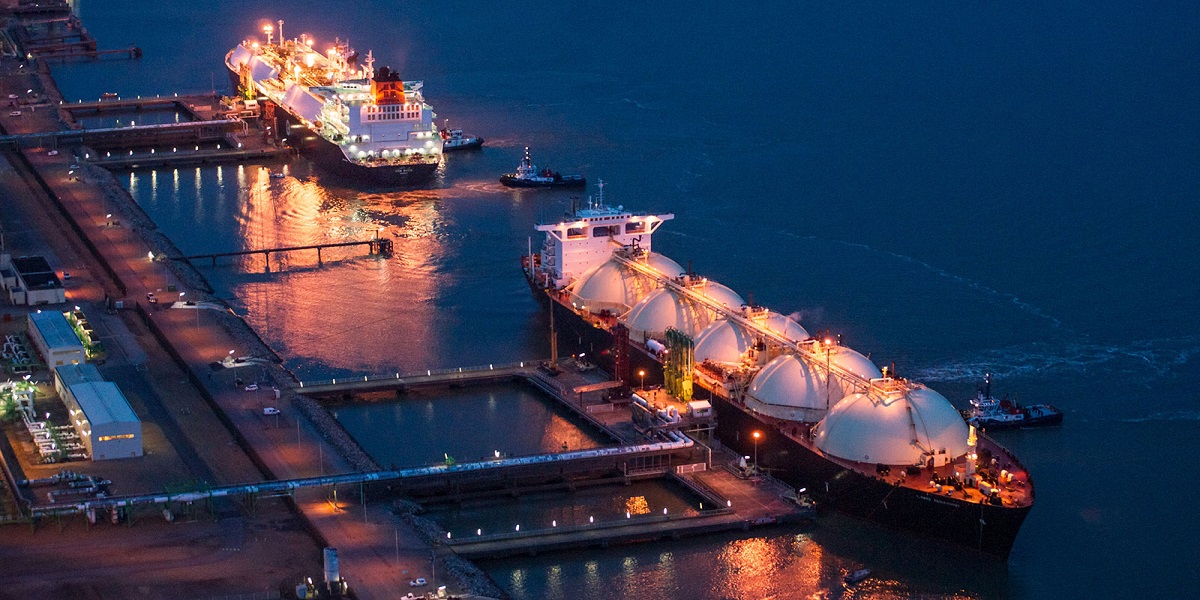
DUBAI: Asian and European buyers of liquefied natural gas plan to push for lower prices and additional supply guarantees from Qatar and the United Arab Emirates after the U.S.-Iran war drove up insurance costs on deliveries from the region, buyers, traders and industry executives told Reuters.
The war has reshaped the global energy industry, undercutting the reputation of Gulf producers as the world’s most reliable suppliers, a status that had long given them significant leverage in negotiations. That leverage has weakened since the conflict halted most oil and gas flows through the Strait of Hormuz, the shipping chokepoint at the entrance to the Middle East Gulf.
Qatar’s vast reserves have made it the dominant force in the global gas market. Qatar and the neighboring UAE, where production is increasing, together account for roughly one-fifth of global LNG export capacity, all of it dependent on the strait to reach world markets.
Qatari LNG has ranked among the most competitively priced supplies because of the country’s low production costs, while the UAE offers more flexible contract terms. But buyers say higher risk and rising insurance costs will give them added leverage in future negotiations to push prices lower and secure more flexible terms.
“Anyone entering into new contracts in the Gulf region will also have to take into account potential insurance costs, which are set to increase,” Nicola Monti, chief executive of Italy’s Edison, said on the sidelines of a recent business event.
Long-term LNG contracts from Qatar and the UAE were typically priced at 12.6% to 12.7% of the Brent crude price before the war with Iran began, but some deals signed since have closed closer to 12.3%, according to one industry source, suggesting buyers were already factoring in higher regional risk.
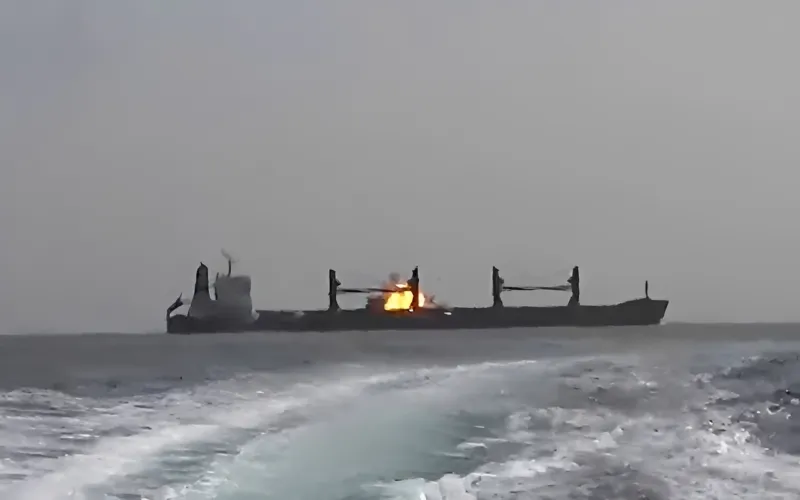
The war has forced QatarEnergy to shut liquefaction trains, declare force majeure on deliveries and suspend exports. Renewed Iranian attacks this month on tankers transiting the strait have clouded prospects for a return to prewar flows.
Edison, which holds a long-term contract for 6.4 billion cubic meters of Qatari gas annually, about 10% of Italy’s yearly demand, has had deliveries canceled under force majeure from April through early September.
Asian Buyers Reassess Risk
Future negotiations with Gulf gas suppliers will focus on reducing prices while also improving supply security and diversification, according to six Asia-based traders, who spoke on condition of anonymity because of the sensitivity of the matter given their companies’ long-term contracts with Qatar and the UAE.
Qatar and the UAE may also come under pressure to lower prices as growing production from the United States, Canada and Mozambique adds to global competition, one of the six traders said.
Qatar can produce LNG for as little as 50 cents per million British thermal units, analysts estimate, compared with $3 to $5 per million British thermal units for many competing projects worldwide, thanks to its massive reserves and relatively low labor costs. Qatar’s and the UAE’s proximity to Asian markets also means lower shipping costs.
Both countries plan to further expand LNG output in the coming years, which traders said would give buyers more room to negotiate discounts.
Buyers also want Qatar and the UAE to guarantee replacement cargoes if exports through the Strait of Hormuz are disrupted again, potentially drawing on projects elsewhere such as Qatar’s Golden Pass LNG terminal in the United States.
“Going forward, (Gulf suppliers) will have to contend with a new risk profile stemming from what happened in the Strait of Hormuz and from the fact that nobody can rule out the possibility of a recurrence in the future,” Monti said.