LONDON: Global oil demand is on track to decline for the first time since the height of the COVID-19 pandemic, the International Energy Agency said Friday, as war with Iran disrupts production and exports across the Middle East.
World oil demand is set to fall by 1 million barrels per day year-over-year in 2026, marking the first annual contraction since 2020, the Paris-based agency said in its latest oil market report.
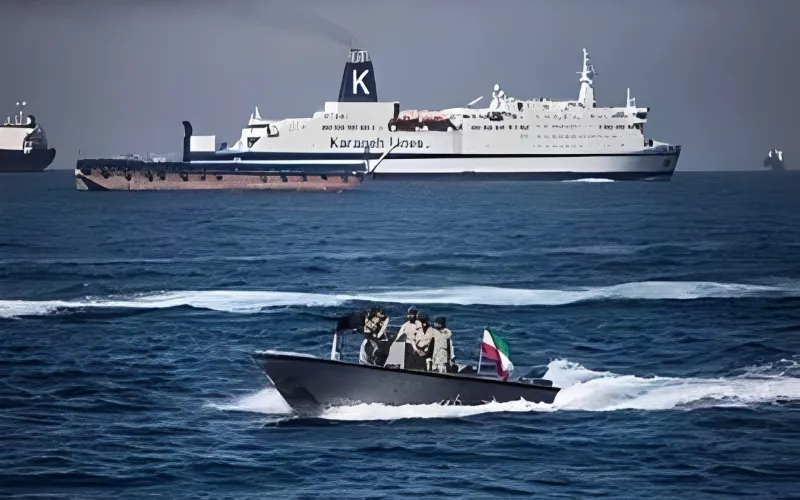
The projected decline is “highly skewed in both product and regional terms,” the IEA noted, attributing the slump largely to the closure of the Strait of Hormuz, a critical chokepoint for global oil and gas shipments that has cut off exports through the Persian Gulf.
A recovery is underway, the agency’s researchers added, but they cautioned that renewed escalation in the conflict could complicate matters and further cloud the outlook.
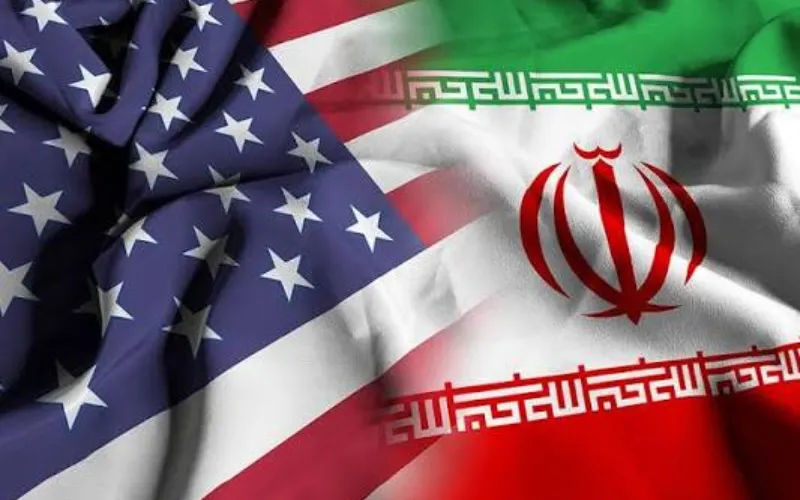
The IEA’s forecast rests on the assumption of a ceasefire and the gradual reopening of the Strait of Hormuz, an outcome that appeared increasingly uncertain this week as the United States and Iran traded hostilities. Multiple ships came under attack, and traffic through the strait has once again slowed to a trickle, according to shipping reports.
“While the global oil market balance looks set to swing back to surplus towards the end of the year, the forecast hinges on the assumption that tanker flows through the Strait will gradually recover, allowing producers to restart fields and refiners in the Middle East and elsewhere to resume product shipments,” the IEA wrote in its report.
“Renewed exchanges of fire in the Gulf this week highlight the risks of not reaching a lasting peace agreement, which is a must for the normalization in oil markets.”
Oil prices edged lower Friday. Global benchmark Brent crude futures for September delivery eased to $76.25 per barrel, while U.S. West Texas Intermediate crude futures held steady at $72.09.