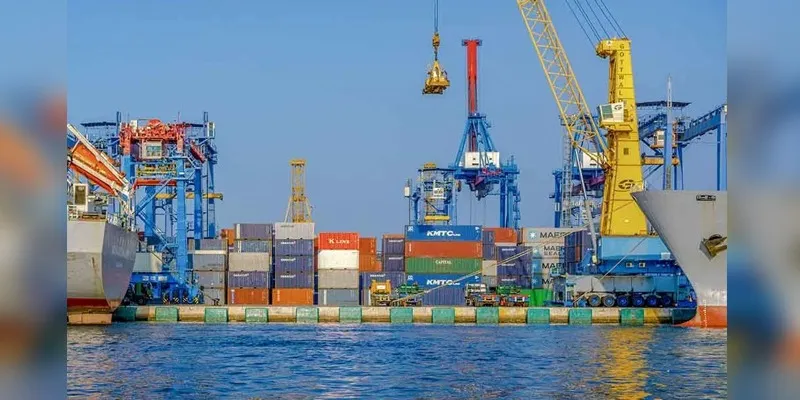
In a bold move set to redefine the economic relationship between the United States and Indonesia, the two nations have finalized the details of a long-anticipated tariff agreement.
The historic deal, which is expected to be signed next month by the leaders of both countries, marks a new chapter in trade relations, with far-reaching implications for both economies.
Indonesia’s Chief Economic Minister, Airlangga Hartarto, confirmed the breakthrough after a high-level meeting with U.S. Trade Representative (USTR) Jamieson Greer in Washington.
According to Airlangga Hartarto, both parties have agreed on all substantive and technical aspects of the deal, bringing months of negotiations to a successful conclusion. “We have resolved all the key issues in the Agreement on Reciprocal Tariffs (ART),” Airlangga Hartarto said during a briefing on Monday, signaling a significant achievement in the bilateral trade talks.
The deal stems from a move by Washington in July, when it reduced the tariff on Indonesian goods from 32% to 19%, a shift that opened the door for deeper discussions.
Since then, both sides have been negotiating the finer details, focusing on creating a balance in market access that would benefit both economies.
One of the major triumphs of this agreement is the commitment from the U.S. to provide exemptions for several key Indonesian exports, including palm oil, coffee, and tea staples of Indonesia’s agricultural industry.
These exemptions are expected to give Indonesian products an edge in the American market, while fostering a more equitable trade environment.
But the agreement goes beyond just tariff reductions. Hartarto emphasized that the U.S. is keen on accessing Indonesia’s critical minerals, a crucial component of the global supply chain for clean energy technologies and electronic goods. This access is poised to play a vital role in the U.S.’s long-term economic strategy.
The broader deal also includes Indonesia’s commitment to spend billions to boost U.S. exports in sectors such as energy, agriculture, and aircraft with potential for a significant increase in trade between the two nations in the years ahead.
Despite these positive strides, challenges remain. According to data from the USTR, the U.S. trade deficit with Indonesia stood at $17.9 billion in 2024, an increase of 5.4% from the previous year.
This imbalance remains an ongoing concern, but the newly finalized tariff agreement represents a step toward achieving a more balanced trade relationship.
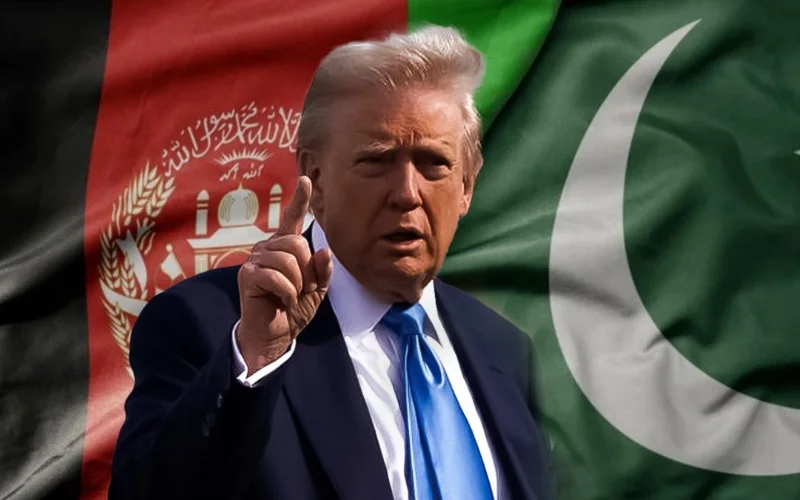
Next month, the final legal issues will be ironed out as both nations prepare to officially sign the deal. Presidents Prabowo Subianto of Indonesia and Donald Trump of the U.S. are expected to put their signatures on this groundbreaking agreement, which will reshape the economic landscape for both countries.
With trade ties strengthening and mutual commitments in place, this agreement marks a significant milestone in Indonesia-U.S. relations.
Both nations are now poised to enter a new era of trade, with promising opportunities on the horizon for businesses, industries, and communities in both countries.