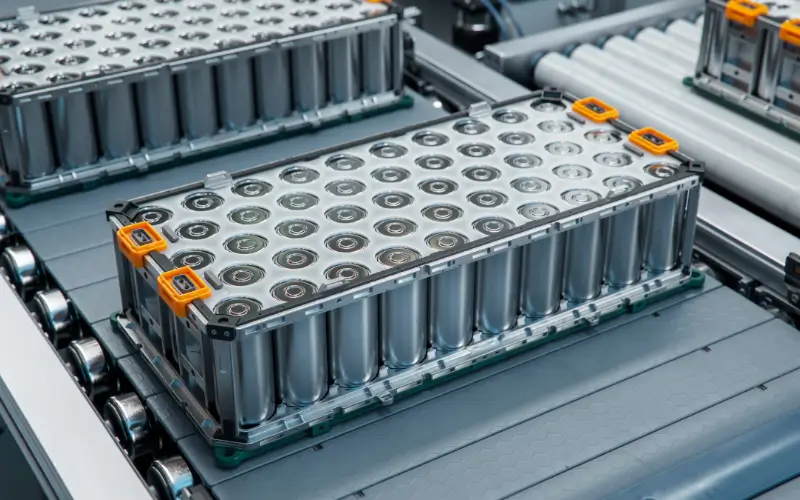
The government has decided to introduce a strict testing and verification system for batteries used in electric vehicles after concerns were raised that some EV manufacturers in Pakistan are using substandard and low-quality batteries.
The move comes as Pakistan experiences a significant increase in the demand and sale of electric vehicles following the US-Israel-Iran conflict and the resulting rise in global oil prices. Electric vehicles are also considered an important part of the country’s clean transport strategy and environmental commitments.
The issue was discussed during a recent meeting of the Executive Committee of the National Coordination and Management Council, where members expressed serious concerns over the failure of certain EV manufacturers to comply fully with prescribed quality and safety standards, particularly regarding batteries.
The council noted that the use of uncertified or poor-quality batteries could pose safety risks to consumers, affect vehicle performance, and undermine confidence in Pakistan’s developing electric vehicle sector.
To address these concerns, the council directed the Engineering Development Board (EDB) to work closely with the National Energy Efficiency and Conservation Authority (NEECA) and other relevant stakeholders to establish a comprehensive inspection, testing, and verification mechanism for EV batteries.
The proposed system may include certification requirements, regular inspections, and compliance monitoring of manufacturers and importers. Authorities may also take strict enforcement action against companies that fail to meet the required standards.
The Ministry of Industries and Production, EDB, and NEECA have been instructed to begin work on the mechanism immediately, with the aim of bringing EV battery safety and quality checks in line with international standards.