Oil prices slipped modestly on Tuesday, extending the previous session’s losses, as investors remained cautious amid uncertain progress in US–Iran negotiations aimed at restoring crude shipments through the strategic Strait of Hormuz.
Brent crude futures declined by 20 cents, or 0.3%, to $77.70 per barrel, while US West Texas Intermediate (WTI) eased by 12 cents, or 0.2%, to $73.74 per barrel at 0323 GMT.
The downturn follows a sharper drop of over 3% on Monday, triggered after the United States granted Iran a 60-day sanctions waiver following early-stage peace discussions.
Sentiment was further influenced by reports of a temporary easing of hostilities in Lebanon under a broader regional understanding.
Read More: Oil prices fall after US-Iran conclude talks in Switzerland
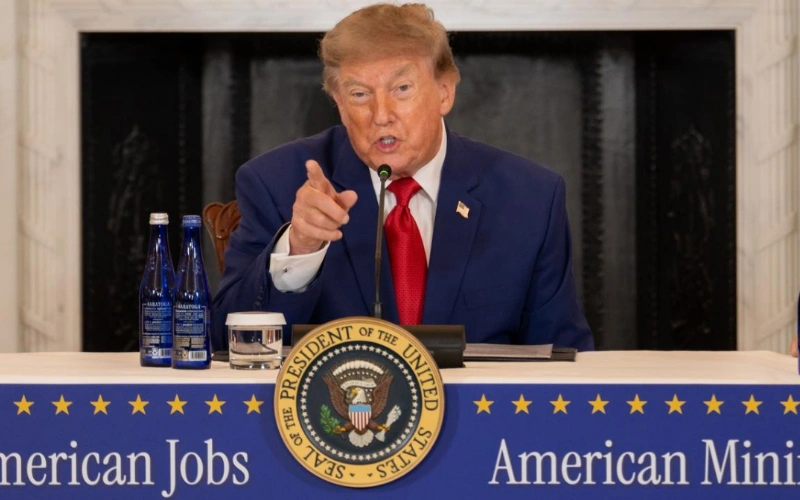
Despite diplomatic momentum, volatility persists. The previous weekend had raised fresh concerns over the durability of the week-old accord, particularly after US President Donald Trump warned of a potential return to military action should Iran disrupt maritime traffic through the Strait of Hormuz after Tehran’s earlier claim of closing the key shipping route.
“There remains a prevailing dose of market scepticism, rooted in deep-seated mistrust between Washington and Tehran, suggesting that any return to pre-war oil prices is likely to be delayed rather than immediate,” said Tim Waterer, chief market analyst at KCM Trade.
Adding to the mixed signals, Trump stated via Truth Social that Iran is expected to permit weapons inspections to ensure what he described as “nuclear honesty.” He later reiterated to reporters that the United States would respond if Tehran failed to comply with the agreement.
Market participants, however, appear to be adopting a wait-and-see approach. “The market had priced in optimism around the roadmap and potential Strait of Hormuz reopening, but traders are now taking a more measured approach as they await concrete evidence that the deal will hold and traffic will normalise,” Waterer added.
Supporting tentative signs of stabilization, shipping data indicated that two crude tankers carrying nearly 2 million barrels successfully transited the Strait of Hormuz on Monday, suggesting a partial recovery in flows after reduced activity on Sunday.
Meanwhile, US crude inventories in the Strategic Petroleum Reserve fell to 331.2 million barrels last week the lowest level since June 1983 according to Department of Energy data. The decline reflects tightening supply conditions following recent geopolitical disruptions tied to the US–Iran tensions.