Oil prices have climbed above $100 a barrel for the first time in more than two years, as the escalating conflict between the United States, Israel and Iran raises fears of a major disruption to global energy supplies.
The international benchmark, Brent crude, surged by more than 20% on Sunday, briefly reaching around $114 a barrel. Prices later eased slightly but remained elevated at about $107.50 early on Monday.
It is the first time oil has crossed the $100 mark since the market turmoil triggered by Russia’s invasion of Ukraine in 2022.
The spike comes amid growing concern that the conflict could threaten oil production and transport across the Middle East, a region responsible for a large share of the world’s energy supply.
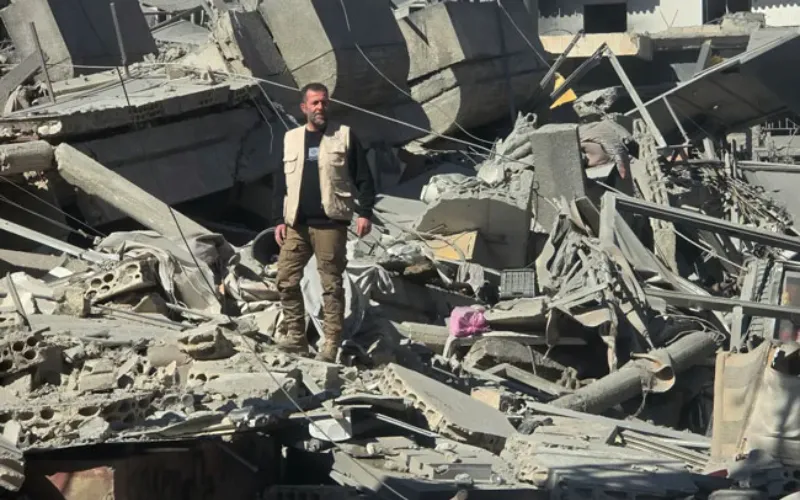
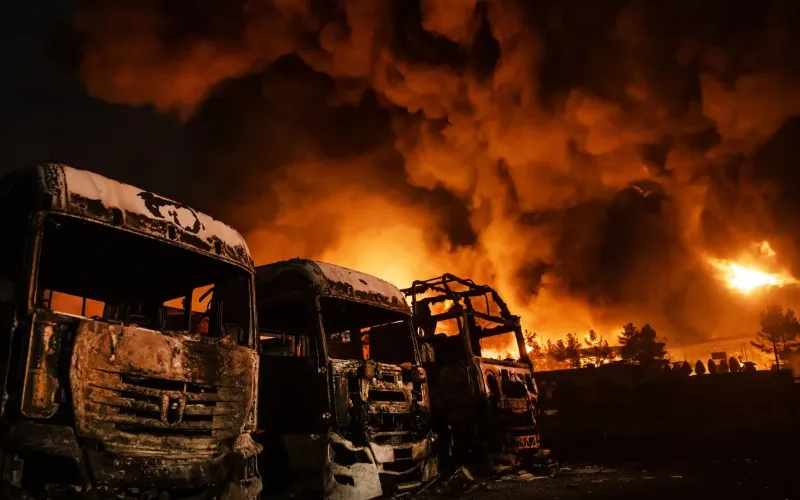
Over the weekend, Israel launched air strikes on Iranian oil infrastructure for the first time since the start of the war. According to Iranian state media, the attacks hit four oil storage facilities and a production transfer centre in Tehran and the nearby province of Alborz.
Analysts say targeting energy facilities could increase the risk of wider supply disruptions if the conflict expands further.
Iran’s Revolutionary Guard Corps (IRGC) warned on Sunday that it could retaliate by striking energy facilities across the region. It said oil prices could climb as high as $200 a barrel if the United States and Israel continue their military operations.
US President Donald Trump sought to downplay the surge in prices. Writing on social media, he said the increase would be temporary and argued that addressing Iran’s nuclear programme was more important.
“Short term oil prices, which will drop rapidly when the destruction of the Iran nuclear threat is over, is a very small price to pay for U.S.A., and World, Safety and Peace,” he wrote.
Rising oil prices often translate into higher fuel and transport costs worldwide, raising concerns about inflation and the cost of living in many countries.
Market watchers say traders will now be closely monitoring whether the conflict spreads further across the region or begins to threaten major shipping routes for oil exports.