KARACHI: Pakistan’s National Tariff Commission is investigating 10 cases of alleged dumping by foreign exporters, and has already imposed temporary duties of up to 37% on four of those imports while the probes continue.
The cases target goods from China, the United States, Vietnam and Indonesia, including pharmaceutical ingredients, crockery, steel, packaging film and industrial chemicals.
The commission, a statutory body operating under Pakistan’s Ministry of Commerce, is responsible for investigating complaints from domestic manufacturers who allege that foreign competitors are selling goods in Pakistan below the prices charged in their home markets, a practice known as dumping.
Operating under the Ministry of Commerce since 2000, the NTC enforces trade remedy laws to shield domestic industries from unfair competition caused by dumped and subsidized imports.
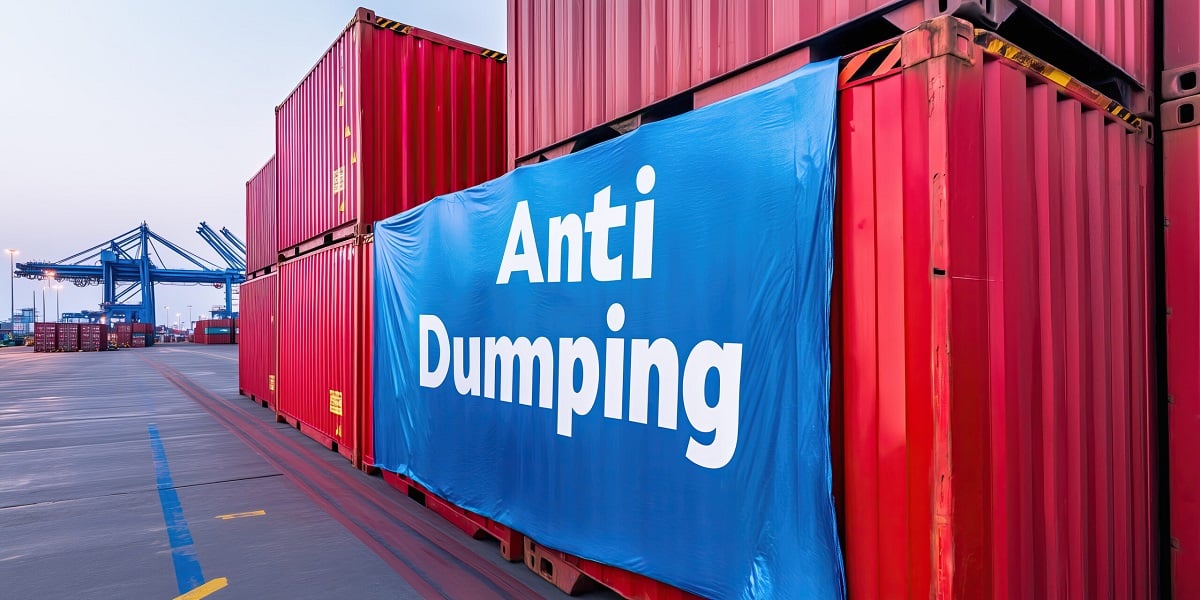
Dumping occurs when a foreign company exports goods to Pakistan at prices lower than those charged in its home market, which can harm local industries by reducing sales, eroding market share, and driving down prices.
Under Pakistan’s Anti-Dumping Duties Act, 2015, investigations begin when a domestic producer files a formal application with evidence of dumping, injury to local industry, and a causal link between the two.
Once the essential elements for imposition of an antidumping duty are determined, after due process, the commission may impose a duty equal to the dumping margin established, the gap between a product’s normal home-market price and its lower export price to Pakistan.
Commission decisions can be appealed before the Anti-Dumping Appellate Tribunal or in the high courts. Anti-dumping measures do not provide blanket protection to domestic industry; they are meant only to remedy injury caused by the unfair trade practice of dumping.
Since its inception, the commission has conducted 158 investigations into suspected dumping, resulting in anti-dumping duties in 114 of them, and has collected roughly Rs40 billion in revenue over 25 years.
The 10 active cases
Ibuprofen — China and the United States: The commission opened this investigation July 25 after Zenith Chemical Industries filed a complaint alleging dumped imports of the pain-reliever ingredient were hurting the local pharmaceutical supply chain.
Zenith submitted its application on June 30, 2026, and the investigation period runs from April 1, 2025, to March 31, 2026, with an injury period from April 1, 2023, to March 31, 2026. No preliminary ruling has been issued yet.
Crockery — China: Filed July 29, this probe followed a complaint from Green Crockery and Housewares. The company filed its application under Section 20 of the Anti-Dumping Duties Act on June 24, 2026, alleging that Chinese crockery was being sold in Pakistan at dumped prices, causing and threatening material injury to the domestic industry.
The commission found the evidence sufficient to justify a formal investigation under Section 23 of the act.
Cold Forming Foil and Tropical Foil — China: Opened July 23, this case targets pharmaceutical packaging foil imported from China. It is among a cluster of chemical- and pharmaceutical-sector cases the commission opened in quick succession over June and July.
Color Coated Steel Coils/Sheets — China: Initiated April 25 after a complaint from International Steels Limited, the country’s sole producer of pre-painted steel products. The applicant alleged that dumped imports from China caused and continue to cause material injury to Pakistan’s domestic industry producing color-coated cold-rolled steel products.
The application was filed March 16, 2026. The investigation covers imports from January to December 2025, while injury assessments review the 2023-2025 period.
Disodium Carbonate, or Soda Ash — China: Opened June 11 following complaints from Lucky Core Industries and Olympia Chemical, the same two companies that won a separate soda ash case against Turkish and Kenyan exporters earlier this year. The commission issued a preliminary determination Aug. 15, setting a provisional duty of 10.85% on Chinese imports.
BOPP Self-Adhesive Tapes in Jumbo Rolls — Vietnam: Initiated April 30, this case resulted in a preliminary duty of 17.42% on Vietnamese imports, effective July 19.
The commission found the dumped imports were causing material injury to the domestic industry, citing import volumes, price undercutting, effects on inventories and the size of the dumping margin. The duty applies for four months while the investigation continues toward a final ruling.
Dextrose Monohydrate — China: Filed April 22 after a complaint from Rafhan Maize Products and Matco Foods. The applicants alleged that dumped Chinese imports of the sweetener have caused and are causing material injury to Pakistan’s domestic industry. The commission issued a preliminary determination July 15, setting a provisional duty of 10.79% for four months.
Polyvinyl Chloride Resin, Suspension Grade — Indonesia and the United States: This case, opened April 17 on a complaint from Engro Polymer & Chemical Limited, produced the steepest duties among the 10 cases. The commission found that a surge in dumped imports led to price undercutting and suppression, resulting in declining market share, reduced profitability and lower returns on investment for domestic producers.
Provisional duties took effect for a four-month period: 17.70% on all Indonesian imports, and on U.S. imports, 37.30% for Westlake Vinyls Company LP and other exporters, with a lower 22.28% rate for Westlake Vinyls Inc. The product, used in pipes, cables, packaging film and industrial sheeting, is classified under PCT code 3904.1090.
What comes next
Under the commission’s standard timeline, preliminary determinations are typically issued 60 to 180 days after an investigation opens, with final determinations following roughly 180 days after that.
Provisional duties imposed at the preliminary stage, such as those already in place on soda ash, BOPP tape, dextrose monohydrate and PVC resin, normally run for four months while the commission completes its final injury and dumping-margin analysis. Final rulings can affirm, adjust or revoke the provisional rates, and typically remain in force for up to five years if upheld, subject to appeal.
The commission’s active caseload adds to a broader run of trade-remedy activity in 2025 and 2026. The NTC has also been investigating dumping of galvanized steel coils, aluminum beverage cans, paperboard and polyester filament yarn from other source countries, and it has previously imposed duties across the iron and steel, chemicals, paper, tiles and textiles sectors.