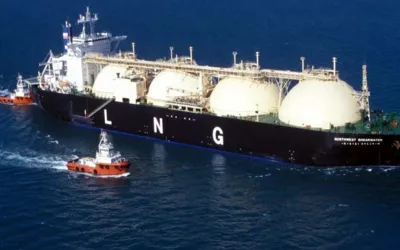
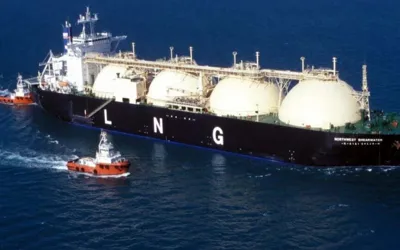
ISLAMABAD: Pakistan LNG Limited (PLL), the country’s central procurement agency for liquefied natural gas, has commissioned a study to develop strategic petroleum reserves as part of efforts to strengthen national energy security.
PLL has earmarked funds for the project out of the procurement planned for fiscal year 2026-27 and plans to use part of the allocation to hire consultants for the study, according to official documents.
The consultancy will design a phased framework for a Strategic Petroleum Reserve (SPR) aimed at bolstering crude oil supply security, emergency response capability and long-term energy resilience.
The study will assess demand and supply trends for crude oil and refined products over the next 25 years, from 2026 to 2050, and identify potential gaps.
Consultants will also benchmark Pakistan’s needs against international models, reviewing practices in at least three oil-importing countries with established reserves. Areas of focus include governance structures, legal frameworks, operating models, emergency release mechanisms and financing arrangements.
Infrastructure requirements will be a key component, with evaluations of existing storage facilities, potential repurposing of furnace oil tanks, and suitability of underground caverns or above-ground storage terminals.
The study will also examine capital costs, financing options, and risks such as geopolitical disruptions and maritime vulnerabilities. A phased implementation roadmap will be developed, beginning with crude oil storage and potentially expanding to refined products.
The assignment is expected to be completed within four months of contract signing.
Pakistan’s reliance on imported oil and LNG, primarily routed through the Middle East, has left the country exposed to supply shocks. Recent volatility in global energy markets, including disruptions linked to the closure of the Strait of Hormuz and U.S. naval activity in the region, has underscored the urgency of building reserves.
On May 6, Pakistan floated a tender to buy spot LNG cargoes amid gas shortages but rejected bids days later without explanation. The move followed supply disruptions from Qatar, the country’s long-term LNG supplier.
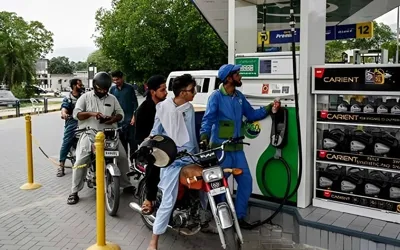
A study by the Pakistan Institute of Development Economics warned that a three-month closure of the Strait of Hormuz could push global oil prices to $150 per barrel, raising Pakistan’s monthly import bill to as much as $4.5 billion and driving inflation from 7 percent to 17 percent.