Pakistan’s macroeconomic outlook for fiscal year 2026-27 has improved, with inflation expected to remain below earlier projections, economic activity likely to recover gradually and external sector pressures projected to remain manageable, according to the State Bank of Pakistan’s (SBP) latest assessment.
The improvement comes as the country’s economic resilience has strengthened through the continued implementation of prudent monetary and fiscal policies.
However, the outlook remains exposed to several evolving domestic and global challenges, including geopolitical tensions, climate-related disruptions, uncertain international trade policies and delays in structural reforms.
The SBP’s Monetary Policy Committee (MPC) has noted that although economic stability has improved compared with previous years, sustaining growth will require continued policy discipline and faster implementation of long-term reforms.
Geopolitical tensions put recovery to the test
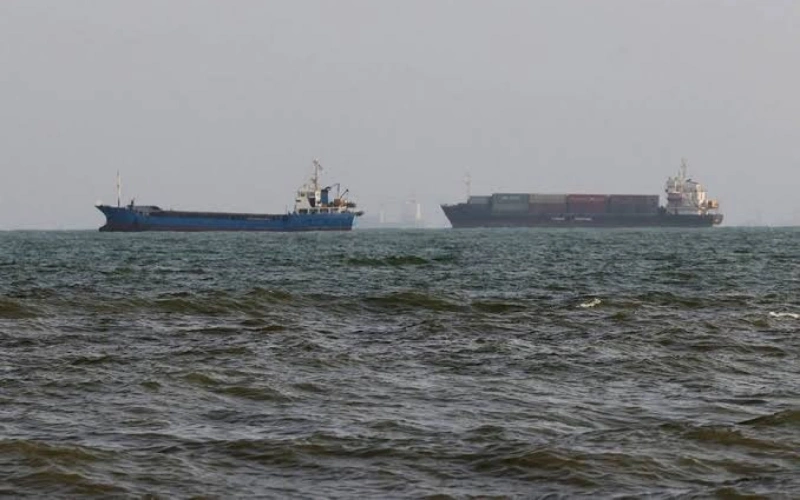
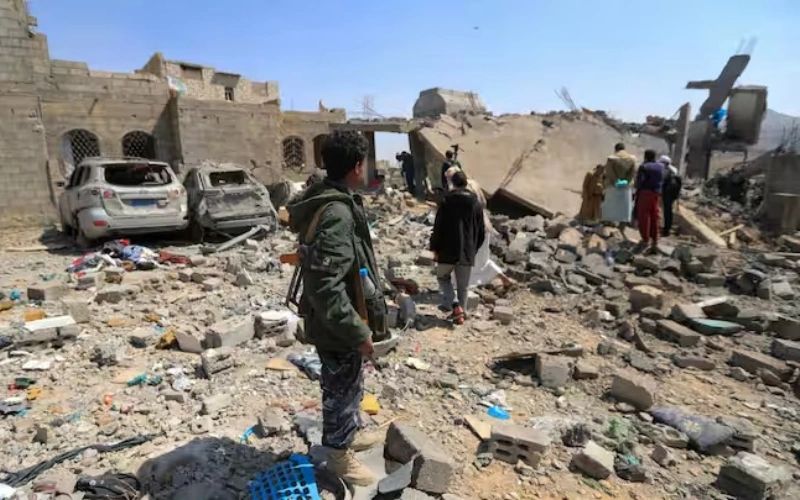
Geopolitical tensions in the Middle East remain among the most significant short-term risks to Pakistan’s economic outlook. Although a temporary de-escalation in June helped lower global oil prices and ease some supply-chain pressures, renewed tensions have created fresh uncertainty over commodity prices, international trade and freight costs.
The SBP’s baseline assessment expects conflict-related disruptions to gradually ease during the second half of FY27. However, uncertainty remains due to the evolving situation in the region.
A prolonged increase in global energy prices could raise import costs, intensify external pressures and create additional challenges for inflation management.
Climate risks threaten food and economic stability
Climate-related challenges also continue to pose a major risk to Pakistan’s economic stability. The possibility of El Niño-related weather disruptions during the forecast period requires close monitoring, as unusual temperature patterns and variations in rainfall could affect agricultural production.
A decline in crop output could increase food inflation, raise import requirements and reduce export potential for agricultural commodities. Such developments could place additional pressure on the external account while affecting consumers’ purchasing power.
Global trade shifts test Pakistan’s export ambitions
Changing global tariff policies and shifting trade patterns continue to influence Pakistan’s export prospects. The restructuring of global supply chains could create opportunities for some Pakistani industries to expand their market share. However, exporters continue to face strong competition from regional economies, particularly in textiles and food products.
The future performance of Pakistan’s exports will depend on global demand, tariff arrangements and the ability of domestic industries to improve productivity and competitiveness.
While government initiatives, including incentives and performance-based support for exporters, may provide short-term assistance, sustainable export growth will require deeper reforms to improve the business environment, reduce production costs and lessen dependence on imported energy.
Tax and export reforms hold key to growth
The improvement in macroeconomic stability provides Pakistan with an opportunity to accelerate structural reforms aimed at achieving sustainable economic growth.
One of the key priorities remains broadening the tax base and improving revenue collection. Pakistan’s low tax-to-GDP ratio compared with many peer economies continues to limit fiscal space and constrain economic development.
Strengthening tax administration, reducing economic distortions and encouraging productive sectors will be crucial to maintaining fiscal stability and supporting investment.
Increasing exports also remains a major challenge. Despite progress in stabilizing the economy, Pakistan’s exports remain below their potential relative to the size of the economy. Expanding export markets, improving industrial efficiency and supporting innovation will be necessary to build a stronger external sector.
Policy discipline could sustain economic recovery
The SBP assessment suggests that Pakistan’s current policy framework, supported by fiscal discipline, positive real interest rates and improved foreign exchange reserves, has strengthened the economy’s ability to absorb shocks.
However, maintaining this progress will require consistent policy implementation and a renewed focus on reforms that increase productivity, diversify exports and strengthen economic competitiveness.
Pakistan’s economic recovery will depend not only on managing immediate challenges but also on building stronger foundations for sustainable growth. By addressing structural weaknesses, improving the business environment and strengthening productive capacity, Pakistan can consolidate its recent economic gains and move toward long-term economic progress.