KARACHI: Pakistan’s mining sector took a significant step towards greater collaboration, skills development and technological advancement as industry leaders, policymakers, academics and global technology providers gathered at the Mining Technical Conference 2026.
Organized by Sindh Engro Coal Mining Company (SECMC) under the theme “Driving Pakistan’s Mining Sector through Collaboration, Innovation & Technology,” the conference aimed to create a unified platform for stakeholders to address challenges and explore opportunities for the future of Pakistan’s mining industry.
The forum brought together representatives from government institutions, mining companies, universities, researchers, equipment manufacturers and international technology firms to promote knowledge sharing and long-term partnerships.
Participants included representatives from Reko Diq Mining Company, Pakistan Petroleum Limited, SSRL, National Resources Limited, HUBCO, Fauji Group, Fauji Fertilizer Company, Lucky Cement, Komatsu, DMT Germany, EACON Mining Technology and Tonly Heavy Industries, among others.
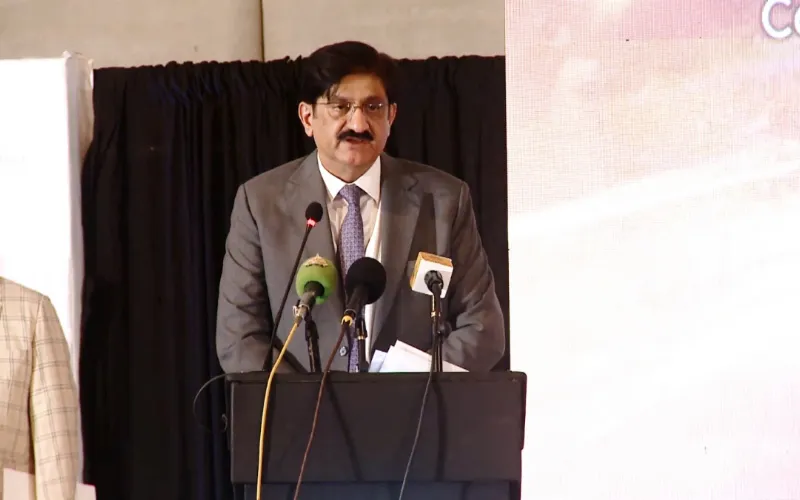
Sindh Chief Minister Syed Murad Ali Shah, who attended the event as chief guest, said the conference brought together three key pillars industry, academia and technology that would shape the future of Pakistan’s mining sector.
“Pakistan has vast untapped mineral resources that require investment and technology. The future of the industry depends on developing human capital that will lead the sector for decades,” he said, urging companies to invest not only in mining and machinery but also in people.
The chief minister highlighted the Sindh government’s policy framework for developing Thar coal resources, saying two blocks are currently operational, including one operated by SECMC. He added that the use of indigenous resources had helped save $3.2 billion that could have been spent on fuel imports.
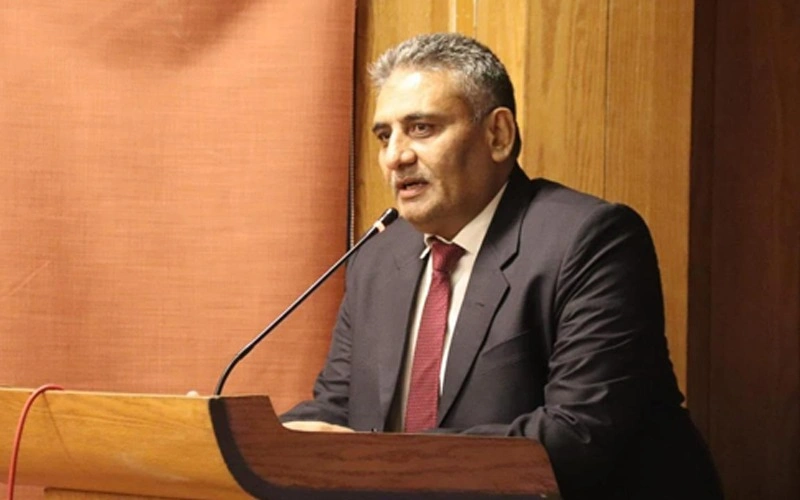
SECMC Chief Executive Officer Amir Iqbal said global companies were showing interest in Pakistan’s mineral potential and emphasized the importance of bringing all stakeholders onto a common platform.
“Our responsibility as the convenor was to bring the right stakeholders to one table. Mining companies understand operational realities, universities bring research and knowledge, technology providers offer innovative solutions, and the government provides policy direction,” he said.
He added that no single organization could transform Pakistan’s mining sector alone, stressing the need for sustained partnerships connecting industry expertise, academic research, government support and global technologies.
The conference highlighted the importance of developing skilled human resources as mining operations become increasingly digital, automated and data-driven. Experts emphasized the need for trained equipment operators, mining engineers, geologists, researchers and technical professionals capable of working with modern systems.
Technical sessions during the event focused on mining technologies, equipment modernization, artificial intelligence, automation, digitalization, exploration, mine development, environmental, social and governance (ESG) practices, operational efficiency and applied research.
Speakers stressed that technology adoption must be supported by workforce development, with mining companies, universities, technology providers and government institutions sharing responsibility for training and knowledge transfer.