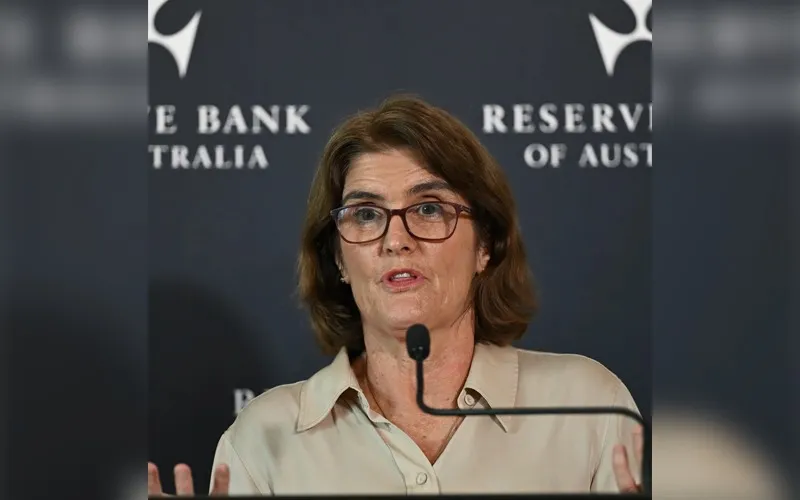
The decision was unanimous and aligned with expectations from economists surveyed by Reuters. It comes as Australia continues efforts to bring down persistently high inflation.
In its statement, the central bank said inflation remains “still too high,” justifying the decision to hold the cash rate steady as it assesses the impact of previous rate hikes and ongoing disruptions in global oil supply.
Following the announcement, Australia’s S&P/ASX 200 index saw a slight decline, while the Australian dollar weakened by around 0.3% to 0.705 against the US dollar.
The RBA also noted that recent global developments, including the U.S.–Iran agreement aimed at ending the Iran war, are still in early stages and that oil supply disruptions are likely to persist for some time. This, it warned, could keep energy prices and overall inflation elevated.
On the domestic front, Australia’s economy grew by 2.5% year-on-year in the first quarter, falling short of expectations and matching the previous quarter’s pace.
Quarter-on-quarter GDP growth came in at 0.3%, below the 0.5% forecast in a Reuters poll and a slowdown from the previous quarter’s 0.9% expansion.
The RBA cautioned that extended global uncertainty could weigh on economic growth both domestically and among Australia’s key trading partners.
While growth has underperformed expectations, inflation remains above the central bank’s 2%–3% target range. The latest April inflation reading eased to 4.2% year-on-year but continues to signal persistent price pressures.
The central bank warned that rising fuel prices are directly feeding into inflation and are increasingly being passed through to broader goods and services, suggesting that inflationary pressures may persist for an extended period.