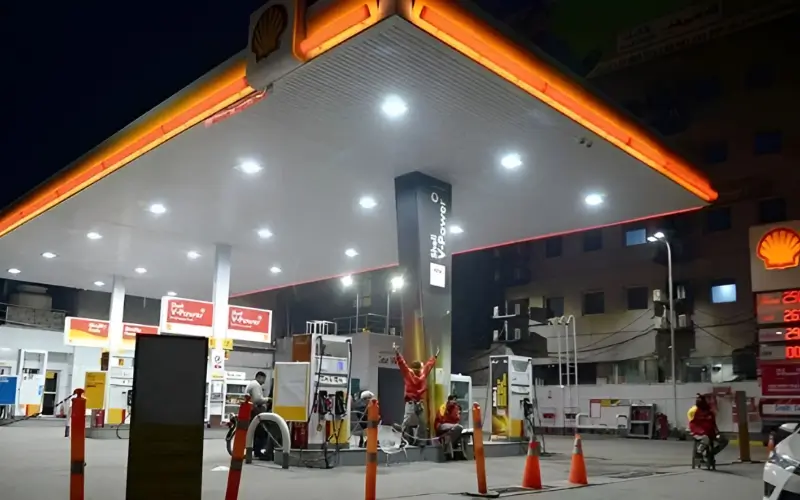
The Petroleum Division of Pakistan’s Ministry of Energy has assured oil marketing companies and refineries that future fuel price adjustments will be based on actual import premiums, while the weekly pricing system will continue without major changes in the near term.
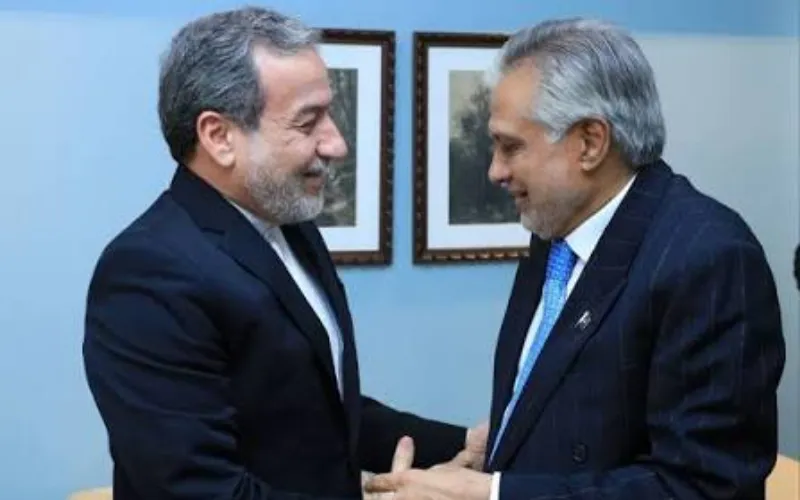
The assurance was given during a meeting in Islamabad between Petroleum Minister Ali Pervaiz Malik, Secretary Hamed Yaqoob Shaikh, and senior executives of oil marketing companies and refineries.
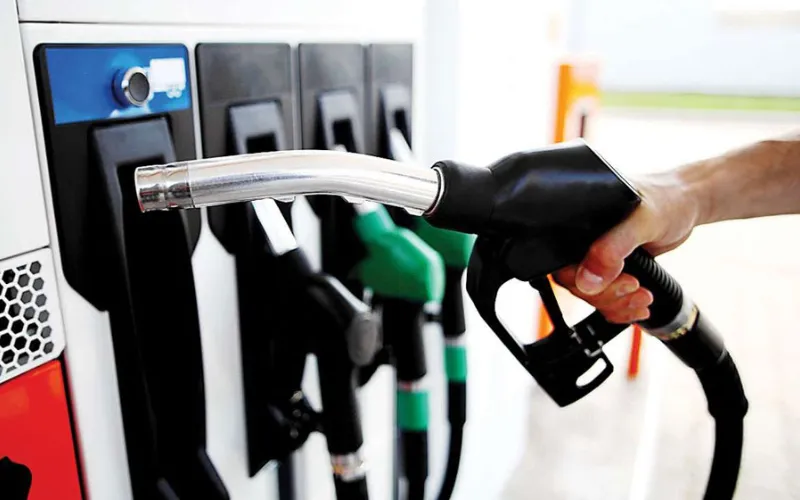
Officials said upcoming petrol prices will be calculated using a $15.85 per barrel import premium from the latest cargo arranged by Pakistan State Oil (PSO), while diesel pricing will continue to be based on PSO’s import premium from Kuwait Petroleum, estimated at $5–6 per barrel.
Industry representatives strongly criticized frequent changes to the pricing formula over the past three months, saying it had caused major financial losses and wiped out profits, while also discouraging foreign investment in the sector.
Some executives said refineries were under pressure due to the presence of smuggled high-speed diesel in the market and demanded full deregulation of pricing along with stricter action against smuggling. Others warned that recent losses had alarmed foreign investors and could lead to potential exits.
Concerns were also raised over unpaid price differential claims by the Oil and Gas Regulatory Authority (OGRA), which executives said were creating serious working capital issues for companies.
Petroleum Minister Ali Pervaiz Malik said the government would not immediately change the weekly pricing mechanism, adding that a committee had been formed by the prime minister to review petroleum pricing with input from all stakeholders. He said any move toward full deregulation would be gradual.
The meeting also saw criticism of industry representatives for weakening their position in policy forums and not responding to public criticism, while some disputes emerged over regulatory engagement and decision-making transparency.
Despite tensions, both sides agreed that consultations would continue as the government works toward a more stable and transparent fuel pricing framework.