Short-term inflation, measured by the Sensitive Price Index (SPI), rose 11.94% from a year earlier in the week ending July 9, mainly due to higher prices for perishable food items and wheat flour, according to official data released Friday.
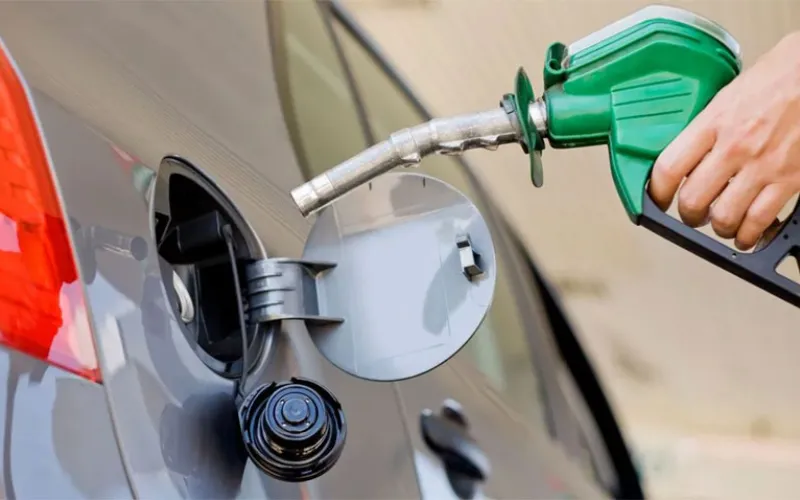
Short-term inflation has started to slow slightly, mainly because of a sharp reduction in petroleum product prices three weeks ago. However, there is still room for further cuts in oil prices.
On a weekly basis, the SPI fell 0.45%, according to the Pakistan Bureau of Statistics. The index has declined for the past two consecutive weeks.
Overall, the SPI continued to show broad-based price increases, highlighting ongoing pressure on the cost of living.
The increase was mainly driven by sharp year-over-year gains in the prices of electricity (49.14%), gas (29.85%), wheat flour (71.22%), and liquefied petroleum gas (25.51%).
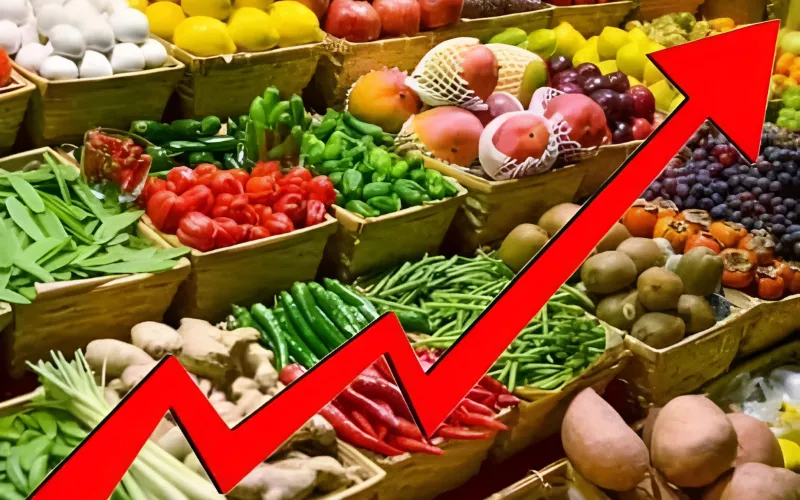
Food inflation remained high, with notable increases in the prices of onions, tomatoes, potatoes, mutton, beef, and wheat flour.
Despite the slight easing, energy costs continued to strain household budgets and increase transportation expenses across the economy.
The SPI has now increased for the 65th consecutive week. Although the pace of the increase has slowed, consumers continue to face sustained price pressures.
This is an example of cost-push inflation, with higher energy costs remaining the primary driver, followed by food prices. As a result, the average household continues to face pressure from rising consumer prices.
The data also showed that the prices of 22 items increased, eight decreased, and 21 remained unchanged from the previous week.