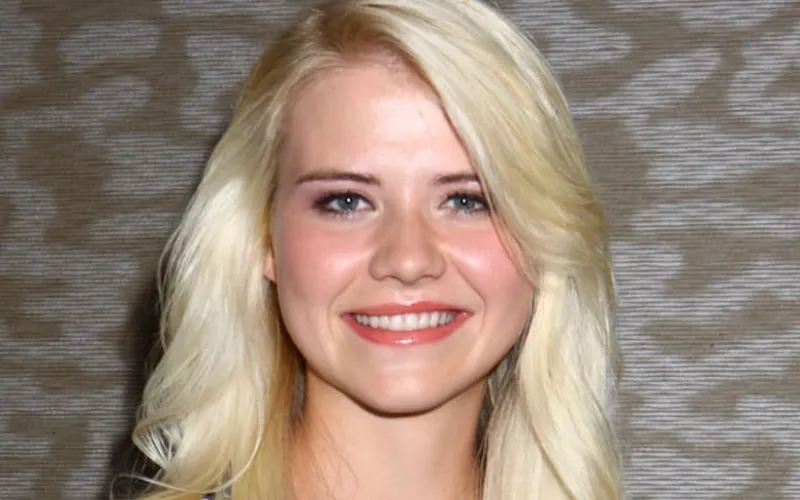
In the highly anticipated Netflix documentary Kidnapped: Elizabeth Smart, released January 21, Elizabeth Smart recounts the traumatic night she was abducted from her bedroom in Salt Lake City, Utah, by Brian David Mitchell, who claimed he was following a divine command.
Elizabeth Smart, then 14, was held captive and repeatedly assaulted by Mitchell for nine months, enduring unimaginable abuse. On March 12, 2003, she was discovered walking along a highway in Sandy, Utah, accompanied by Mitchell and his wife, Wanda Barzee.
The documentary chronicles the intensive search for Smart, including the tireless efforts of her family and law enforcement officers. Smart herself reflects on her experience and her path to recovery, offering a deeply personal perspective on resilience and survival.
One of the most chilling parts of the documentary is Smart’s account of the night of her kidnapping. Her younger sister, Mary Katherine, was the only witness. “That night Elizabeth and I said our prayers together and went to sleep,” Mary Katherine recalls. “The next thing I remember, there was a man in our bedroom telling Elizabeth if she screamed, he would kill her. I was paralyzed.”
Smart describes waking to find a knife at her neck, terrified and hoping her parents would intervene. Her sister eventually alerted their parents, who initially feared it was a nightmare. A broken screen later confirmed the abduction.
Mitchell led Smart through the backyard to a wooded area where Barzee, dressed in a full-length tunic and headdress, welcomed her and provided a similar outfit. Smart recalls the abuse that followed: “I remember feeling like my doom was approaching… he said, ‘I hereby seal you to me as my wife before God and his angels.’”
During her captivity, Smart endured daily assaults and demeaning treatment. Mitchell would force her to drink until vomiting, withhold food, and subject her to public humiliation while justifying his actions through religion. “He used God to justify what he did,” Smart says. “But more than anything, he loved power.”
Barzee remained complicit, watching Mitchell’s abuse unfold. Mitchell also manipulated her with media reports and posters of her disappearance, threatening her with a knife should any rescuer approach.
Key breakthroughs came when the Smart family publicly released a police sketch of Mitchell. A tip from a relative led authorities to track Mitchell, who had been arrested earlier for theft.
On March 12, 2003, police identified Smart walking with her captors along a highway. Her courage and presence of mind played a crucial role in her safe recovery.
Mitchell was later sentenced to life in prison for kidnapping and transporting a minor for sexual activity. Barzee served 15 years and was released in 2018.
Following her rescue, Smart navigated immense emotional challenges, including fear and shame. She completed high school, earned a college degree from Brigham Young University, and married, raising three children in Utah.
Smart founded the Elizabeth Smart Foundation, advocating for victims of sexual violence and sharing her story to empower survivors. “I wanted survivors to know they had nothing to be ashamed of,” she says.
The documentary ends on a note of strength and resilience, highlighting Smart’s journey from a kidnapped teenager to an advocate and symbol of courage.