Sindh lit up with colour, music, and centuries-old traditions today, as people across the province celebrated Sindhi Culture Day 2025 with remarkable enthusiasm. Observed every year on the first Sunday of December, the day has become a symbol of unity and pride for Sindhi’s around the world, honoring the deep-rooted heritage of the ancient Indus Valley civilization.
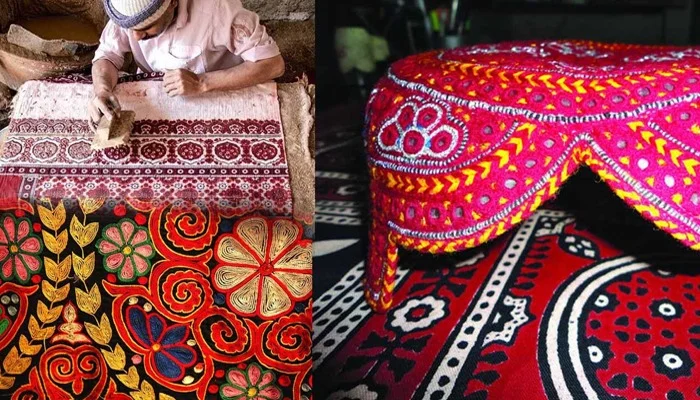
This year’s celebrations were exceptionally vibrant, highlighted by a three-day cultural festival (December 5–7) at the Pakistan Maritime Museum in Karachi. The festival showcased a lively mix of food stalls, handicrafts, traditional music, folk performances, and cultural exhibitions. Local artisans proudly displayed Ajrak, ceramics, handwoven fabrics, and other indigenous crafts, drawing large crowds eager to immerse themselves in Sindh’s rich cultural identity.
Tradition Worn With Pride:
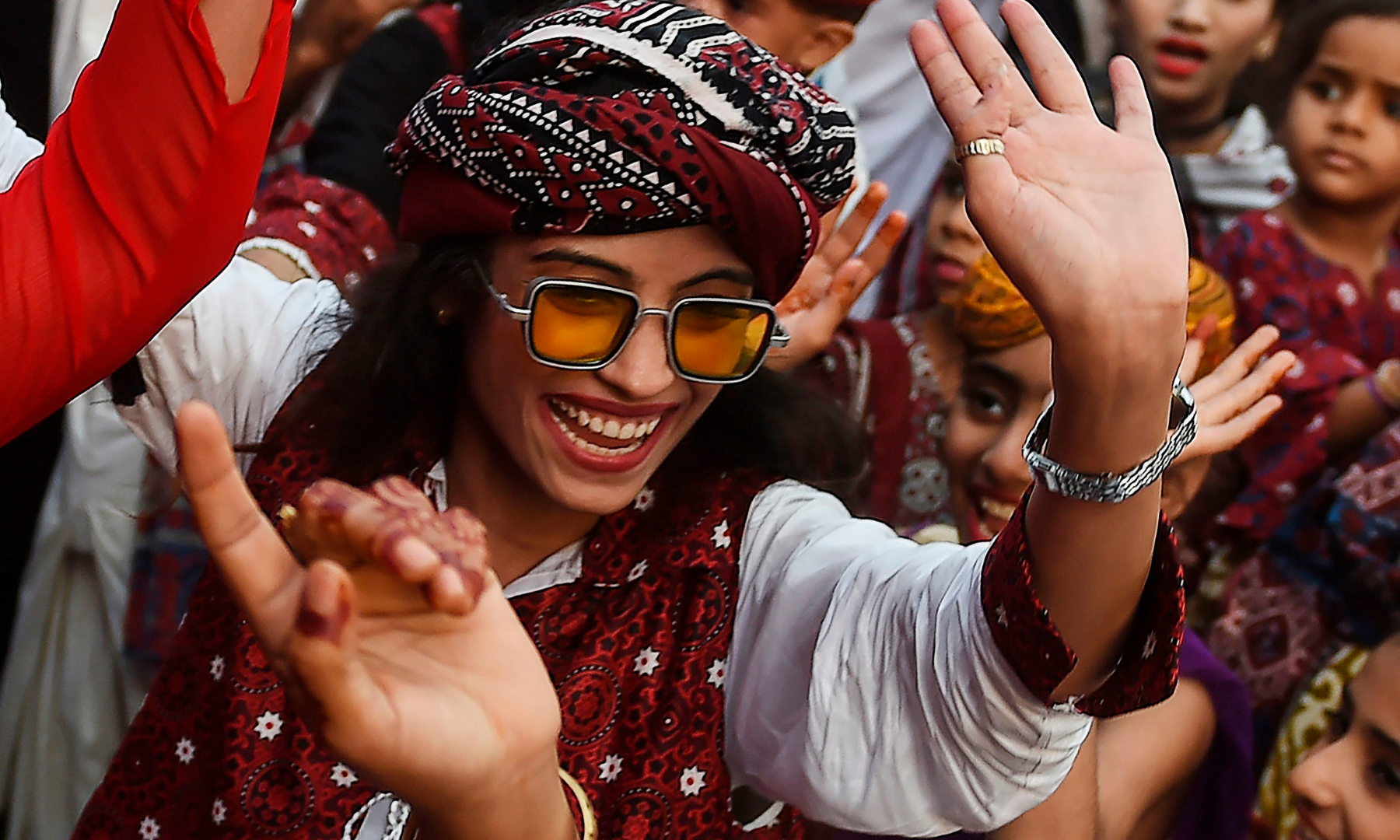
From bustling cities to small towns, the streets were filled with men wearing Ajrak, Sindhi topi, turbans, and women draped in embroidered shawls and traditional dresses. These timeless symbols of Sindhi heritage painted the province in vibrant crimsons, indigos, and earthy tones. Many exchanged caps and Ajraks with friends and strangers alike—an act symbolizing harmony, love, and respect.
Children, students, and youth thronged roads in cheerful rallies, waving cultural banners and dancing to folk melodies that echoed through neighborhoods and marketplaces. Live concerts resonated with the soulful tunes of traditional musicians, paying homage to the province’s legendary Sufi poets—Shah Abdul Latif Bhittai, Lal Shahbaz Qalandar, and Sachal Sarmast.
Rallies, Seminars, and an Unmatched Cultural Spirit:
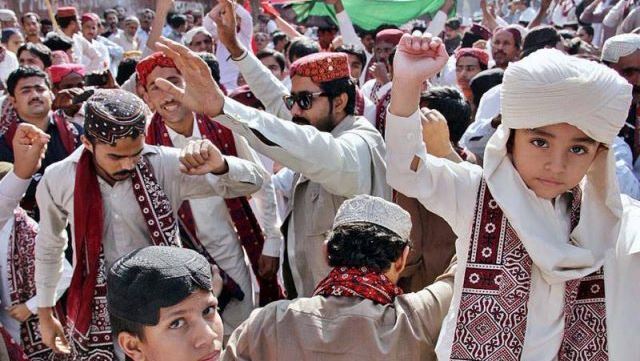
Government and non-government organizations held seminars, conferences, and panel discussions to emphasize the enduring legacy of Sindh’s history, language, and folklore. Cities like Larkana, Hyderabad, Sukkur, and Kambar-Shahdadkot saw massive participation in cultural rallies, where people danced, scattered colors, and expressed the peaceful and tolerant spirit of Sindh.
The rising demand for Sindhi topis and Ajraks brought a festive rush to markets. Shopkeepers reported record sales, with some stalls witnessing an unprecedented surge reminiscent of the celebrations in previous years.
Women and Youth Take Center Stage:
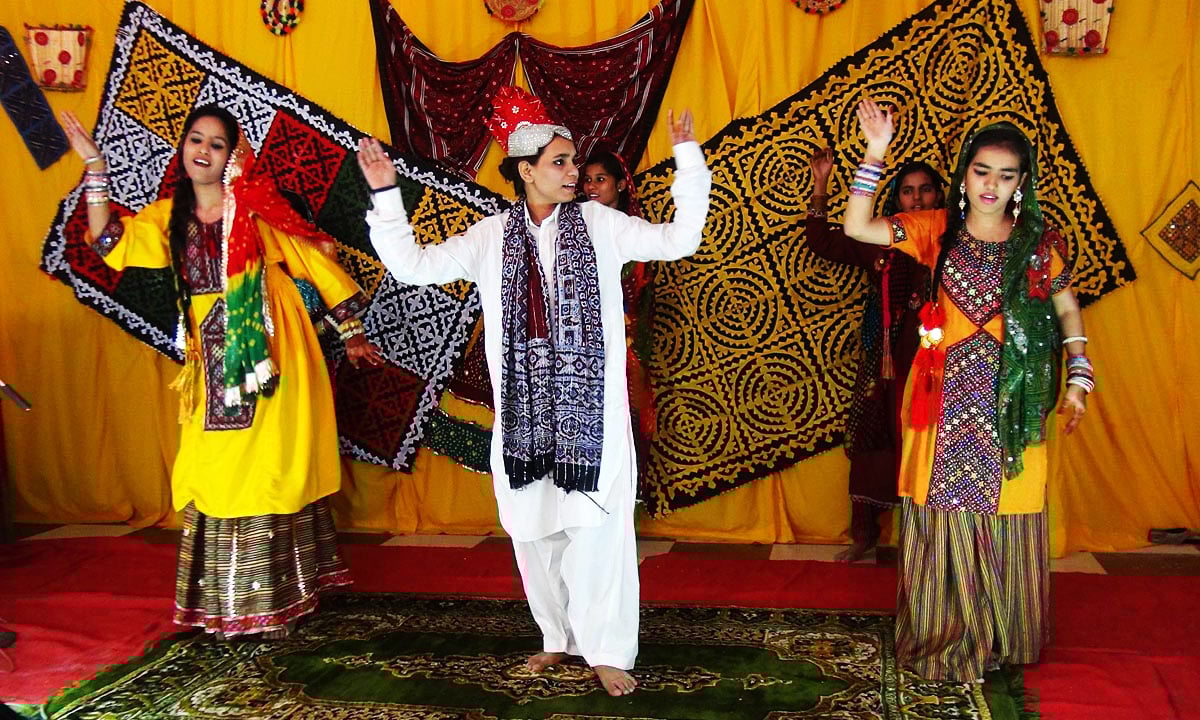
SUKKUR: Dec07 – Students presenting a tableau during a ceremony in connection to Sindhi Topi Ajrak Day at a local school.
ONLINE PHOTO by S P Khan
Women played an equally vibrant role in the day’s festivities, wearing beautifully handcrafted ajraks, sussi fabrics, and intricately embroidered dresses. Many emphasized that Culture Day not only strengthens cultural identity but also supports local artisans and keeps traditional handicrafts alive.
Students from schools and colleges took out large, energetic processions, chanting cultural slogans and performing folk dances, proving that Sindh’s heritage continues to thrive in the younger generation.
A Living, Breathing Heritage:
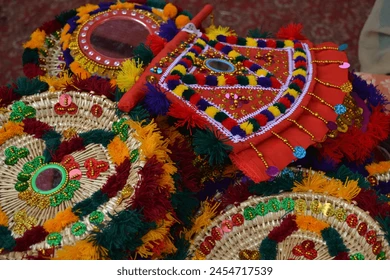
Sindh Culture Day 2025 reaffirmed that Sindh is not just a land—it is a living tapestry of peace, love, art, and spiritual wisdom. From the shrines of Sufi saints to the modern festival grounds of Karachi, the spirit of Sindh radiated in every drumbeat, every song, and every piece of Ajrak.
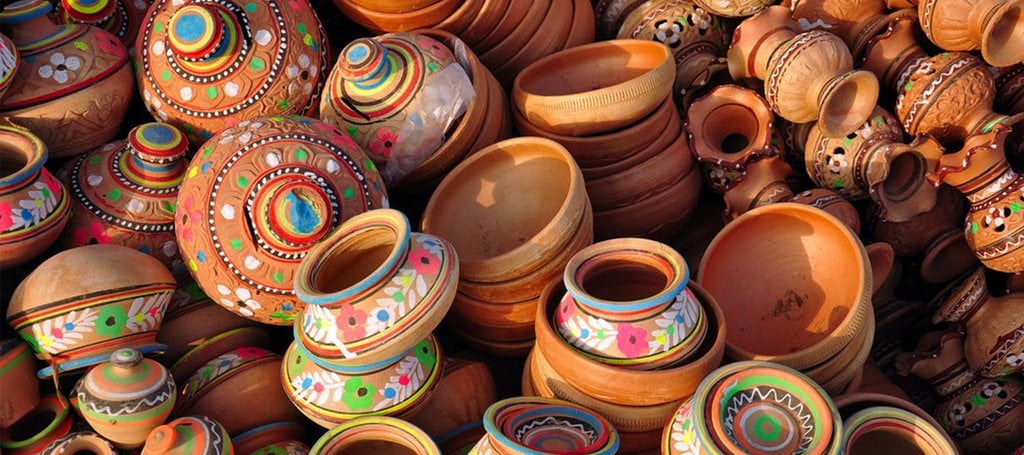
As the sun set on another memorable Culture Day, the province once again demonstrated that its traditions are not relics of the past—but a vibrant, evolving legacy passed forward with pride.