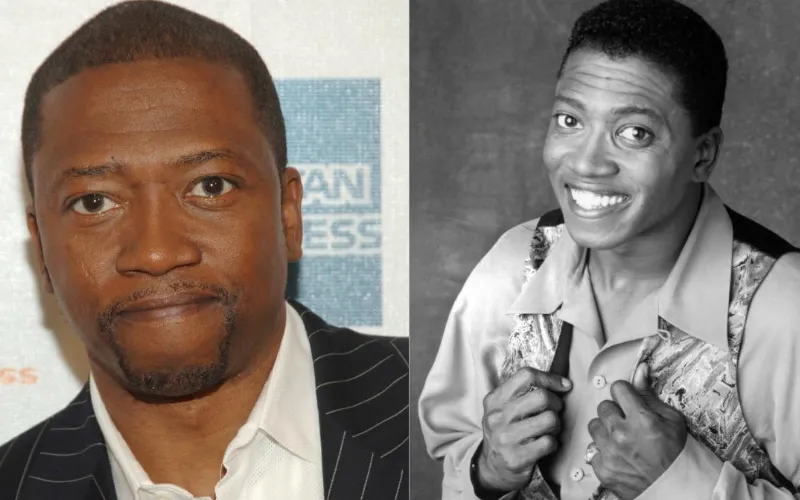
A singular voice in Hollywood has gone silent. T.K. Carter, a performer whose presence could command laughter, tension, and humanity with equal force, has died at the age of 69, closing the curtain on a career that left an unmistakable imprint on film, television, and stand-up comedy.
T.K. Carter was pronounced dead on Friday evening after sheriff’s deputies responded to a report of an unresponsive individual at his residence in Duarte, California, authorities confirmed. While officials have not disclosed the cause of death, they stated that no foul play is suspected.
Born Thomas Kent Carter on December 18, 1956, in New York City, he was raised in Southern California, where his creative instincts ignited early. By the age of twelve, Carter was already performing stand-up comedy, sharpening a fearless, razor-edged wit that would later define his work.
His formative years included performances at iconic venues such as The Comedy Store, where his commanding stage presence set him apart.
T.K. Carter move to the screen began in the 1970s, with his television debut on NBC’s Police Woman. His defining breakthrough arrived in 1982, when he delivered a now-legendary performance as Nauls, the roller-skating chef in John Carpenter’s cult sci-fi horror landmark The Thing a role that secured his place in cinematic history.
He later became a familiar and beloved face on television as Mike Fulton in Punky Brewster, while building an expansive résumé across classic sitcoms including The Jeffersons, Good Times, Family Matters, Moesha, and The Nanny.
His performances carried an unmistakable warmth, authenticity, and precision that resonated with audiences across generations.
On the big screen, T.K. Carter showcased striking versatility in films such as Runaway Train (1985), Doctor Detroit (1983), Ski Patrol (1990), Space Jam (1996), and My Favorite Martian (1999).
Beyond live-action roles, he also lent his voice to animated staples like Jem and The Transformers, further broadening his artistic legacy.
Remembering him, publicist Tony Freeman described Carter as “a consummate professional and a genuine soul,” adding that his work was infused with “truth, humour, and humanity,” and would continue to inspire artists long into the future.
Though Carter stepped back from the spotlight in recent years, his influence never faded. His body of work rich in character, conviction, and cultural resonance ensures that T.K. Carter’s legacy will endure, not just in memory, but in the stories and performances that continue to move audiences worldwide.