For years, The Mummy franchise was synonymous with grand adventure, sweeping deserts, and blockbuster spectacle. But that familiar legacy is now being buriedde liberately and without mercy.
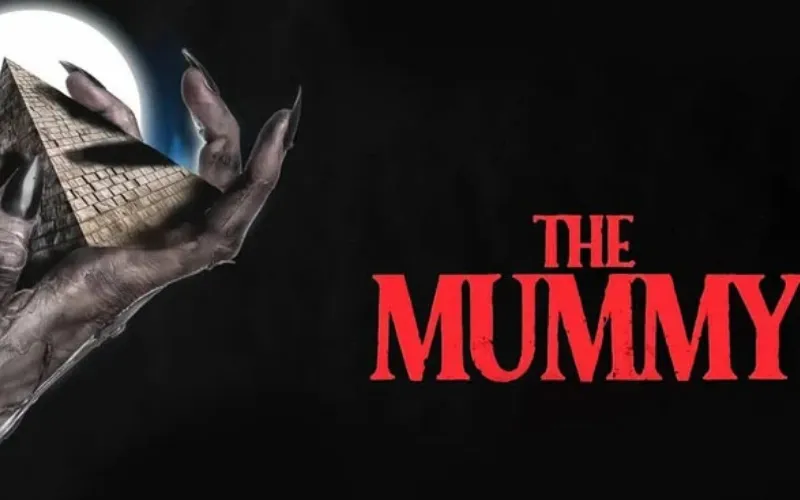
Blumhouse has officially pulled the veil back on Lee Cronin’s The Mummy, unveiling its first teaser, images, and poster, and the message is chillingly clear: this resurrection is soaked in terror, not nostalgia.
Gone is the playful charm of earlier iterations. In its place stands a grim, nerve-shredding vision that drags the legendary monster into the deepest shadows of psychological and supernatural horror.
Lee Cronin’s The Mummy abandons the comforts of old-school adventure and plunges headfirst into dread. The narrative follows a journalist whose young daughter vanishes without a trace in the desert only to return eight years later. She is alive, but unmistakably altered, carrying something ancient and unspeakable back with her.
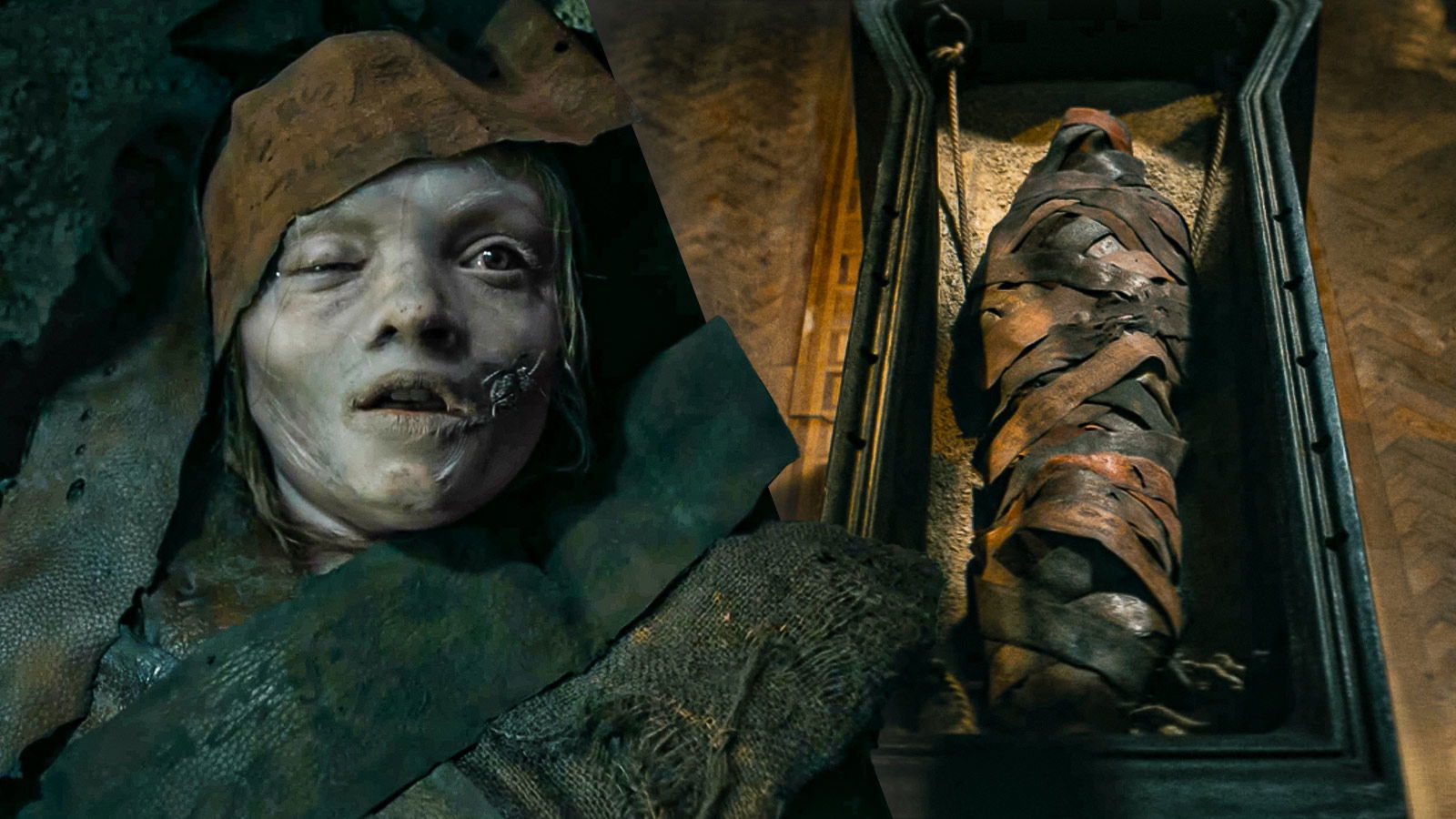
Whatever claimed her in the wasteland was not content to remain entombed. An ancient evil has crossed into the present, tightening its grip on the family and unraveling a nightmare rooted in forgotten rituals and forbidden ground.
The teaser opens with an unsettling ritual: a body slowly unwrapped as every moment is coldly documented on camera. The sequence feels disturbingly clinical, like an autopsy fused with an evidence recording, immediately setting a tone of relentless unease.
A low, hypnotic chant hums beneath the visuals, growing louder and more oppressive as the trailer escalates. Rapid, fragmented cuts flash images of decay, shadowed figures, and corrupted remains each frame more disturbing than the last until the truth becomes unavoidable: something ancient has been awakened, and it is furious.
Adding another layer of menace, a cryptic message embedded within the film’s poster points toward Egyptian spirits, unrestful dead, and a darkness that refuses to release its victims. It reinforces the film’s core warning some things may rise again, but they should never be disturbed.
The suffocating atmosphere echoes the creeping terror that defined Evil Dead Rise, yet The Mummy appears poised to push that intensity even further, replacing shock with sustained psychological torment.
Backed by horror heavyweights James Wan and Jason Blum under their newly formed Blumhouse Atomic Monster banner, and supported by New Line Cinema, this reboot is anything but cautious. It is a calculated plunge into pure horror, reshaping The Mummy as a franchise built on fear rather than fantasy.
Scheduled to hit theaters on April 17, The Mummy is shaping up to be less of a revival and more of a reckoning one that promises to haunt audiences long after the screen fades to black.