WASHINGTON: A quick, drill free dental treatment could change the way childhood tooth decay is managed by stopping cavities within seconds and reducing the need for painful procedures, according to new clinical research.
The silver diamine fluoride treatment, known as SDF, has shown promising results in preventing further decay in baby teeth while offering a cheaper and simpler option for young children.
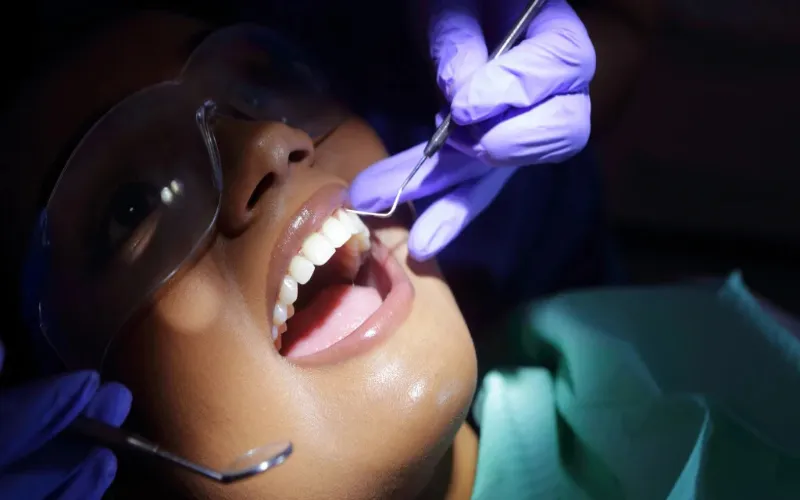
The treatment works by applying a liquid solution directly onto the damaged part of the tooth using a small sponge applicator. The process takes only a few seconds and does not require drilling, injections or general anaesthesia, making it easier for children who may struggle with traditional dental procedures.
A large clinical trial in the United States found that SDF successfully stopped tooth decay in more than half of the treated baby teeth. Researchers said the treatment could help prevent pain, infections and complex dental surgeries among young children.
Untreated tooth decay remains a major health issue for children, especially those who have limited access to dental care. Doctors said many children with severe cavities continue to experience pain and infections because emergency hospital care often cannot fix the underlying dental problem.
The treatment has been used successfully in several countries for decades and became available in the United States in 2014 for managing tooth sensitivity. However, large clinical evidence was needed before it could gain wider acceptance specifically as a cavity treatment.
Researchers found that the treatment was safe and effective in controlling childhood tooth decay. They said the findings could support wider approval and encourage more dental providers to use SDF as part of routine child dental care.