Anaemia (or anemia) is a condition where your blood has fewer healthy red blood cells, reducing oxygen delivery, causing symptoms like tiredness, pale skin, shortness of breath, dizziness, and headaches, often due to iron, B12, or folate deficiencies, blood loss, chronic diseases, or inherited disorders, with iron-deficiency being the most common type, requiring dietary changes, supplements, or treating underlying causes for prevention and management.
A silent health crisis is affecting Pakistan, as research shows that every second woman in the country suffers from Anaemia.
Anaemia has become a serious concern for Pakistan’s health, development, and future. Though often unnoticed, its effects can impact future generations. Around 41 percent of women aged 15 to 49 in Pakistan are affected by a lack of blood, and each year more than 900,000 pregnant women develop Anaemia.
Studies indicate that iron deficiency is widespread among women. Fatigue, weakness, dizziness, and shortness of breath have become common complaints. Anaemia also increases the risk of complications during pregnancy. With Pakistan’s high fertility rate, short intervals between pregnancies, and poor nutrition, women’s physical health is often drained.
Medical experts highlight that larger household sizes worsen the problem. Limited food and restricted access to healthcare mean mothers often feed everyone else first, leaving themselves behind. This population pressure is a major factor driving Anaemia.
The impact extends beyond mothers. Pakistan ranks second in South Asia for Anaemia among children, with around 2.8 million children diagnosed with blood deficiency each year. Children born to Anaemia mothers are often underweight, fall sick more frequently, and face delays in learning.
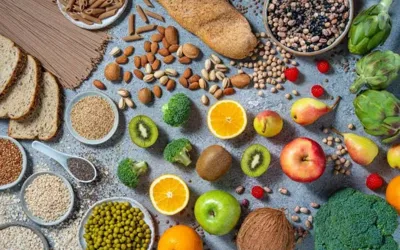
Doctors say breaking this cycle requires raising awareness about proper nutrition and providing iron supplements. Expanding access to family planning services is also crucial.
Anaemia is not just a medical issue; it is a social challenge linked to population growth, poverty, and lack of planning. Experts believe that reducing population pressure and ensuring women have access to sufficient food and healthcare can lead to stronger mothers, healthier children, and a stronger Pakistan.