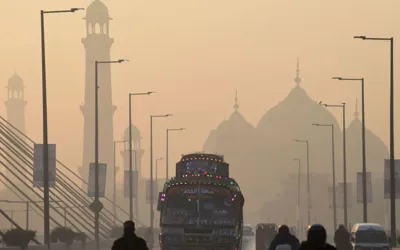
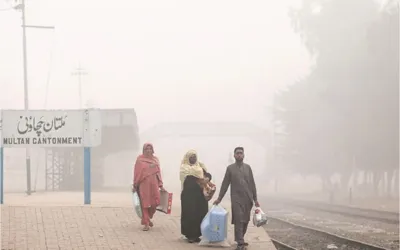
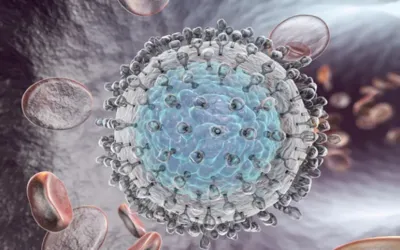
Experts have warned that air pollution could contribute to the development of prostate cancer, with men living in densely populated city areas or near main roads being at higher risk.
According to media reports, studies show that men exposed to higher levels of air pollution are more likely to develop prostate cancer. In the UK alone, around 12,000 men die from prostate cancer each year due to such environmental factors.
Researchers analyzed data from 220,000 men in the UK and found that those living in areas with higher pollution had a 6.9 percent greater risk of developing prostate cancer compared to men exposed to lower pollution levels.
Nitrogen compounds, specifically nitrate (NO₃) released from vehicle emissions, were identified as the main contributor, as they may promote the growth of cancer cells.
Scientists also examined the effects of NO₃ along with the five major components of PM2.5 from previous studies. Data from 224,000 men with an average age of 58, tracked over 13.7 years on average, was analyzed. About 5 percent of these men were diagnosed with prostate cancer, and their exposure levels were estimated based on postal codes.
The findings suggest that air pollution is linked to a slight increase in the risk of prostate cancer, with nitrate identified as the most significant contributing factor.