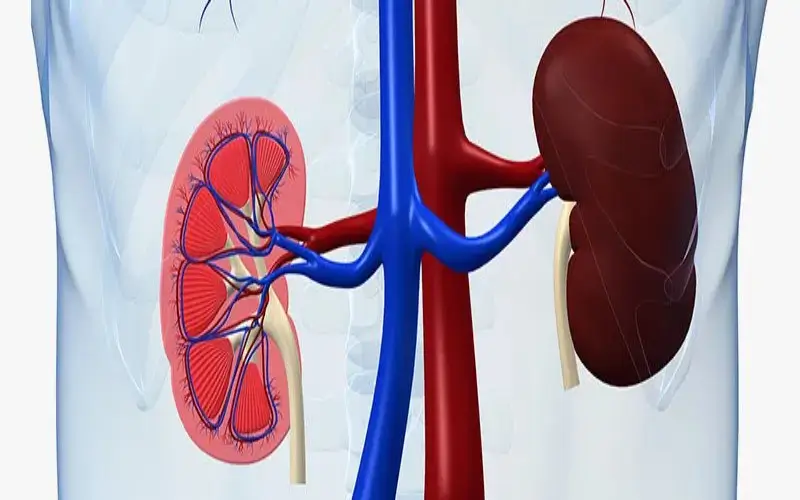
Stage 2 kidney disease is an early stage of chronic kidney disease (CKD) in which the kidneys are still functioning relatively well but show mild damage. The kidneys play an important role in filtering waste and excess fluid from the blood, maintaining electrolyte balance, and supporting overall health.
At this stage, kidney function is slightly reduced, but many people may not experience noticeable symptoms, which is why regular medical checkups are important for early detection.
Stage 2 kidney disease is usually identified through blood and urine tests. Doctors measure the estimated glomerular filtration rate (eGFR), which shows how well the kidneys are filtering blood.
In stage 2, the eGFR typically ranges between 60 and 89, indicating mild loss of kidney function. Other signs, such as protein in the urine or structural changes in the kidneys, may also help confirm the diagnosis.
Several factors can lead to stage 2 kidney disease. The most common causes include diabetes, high blood pressure, and long-term use of certain medications that can affect kidney function. Other causes may include kidney infections, inherited kidney conditions, or autoimmune diseases. People with a family history of kidney problems or those who are overweight or smoke may also have a higher risk.
In many cases, stage 2 kidney disease does not cause clear symptoms. However, some people may experience mild fatigue, swelling in the ankles or feet, frequent urination, or changes in urine appearance. Because these symptoms can be subtle, the condition often goes unnoticed without routine testing.
Although stage 2 kidney disease cannot always be reversed, its progression can often be slowed or prevented with proper care and lifestyle changes. Managing underlying conditions such as diabetes and high blood pressure is essential. Maintaining healthy blood sugar and blood pressure levels helps reduce further damage to the kidneys. Doctors may also recommend medications to protect kidney function when necessary.
Diet and lifestyle choices play a significant role in managing kidney health. Reducing salt intake can help control blood pressure and prevent fluid retention. Eating a balanced diet rich in fruits, vegetables, whole grains, and lean proteins supports overall health.
Drinking adequate water is important, but fluid intake should follow medical advice, especially if kidney function changes over time. Limiting processed foods and avoiding excessive use of painkillers without medical guidance is also recommended.
Regular physical activity, maintaining a healthy weight, and avoiding smoking can further protect kidney function. Routine follow-up visits and lab tests help doctors monitor kidney health and make timely adjustments to treatment plans.
Stage 2 kidney disease is considered a manageable condition when detected early. With proper medical care, healthy lifestyle habits, and regular monitoring, many people are able to maintain stable kidney function and live normal, active lives while preventing further progression of the disease.