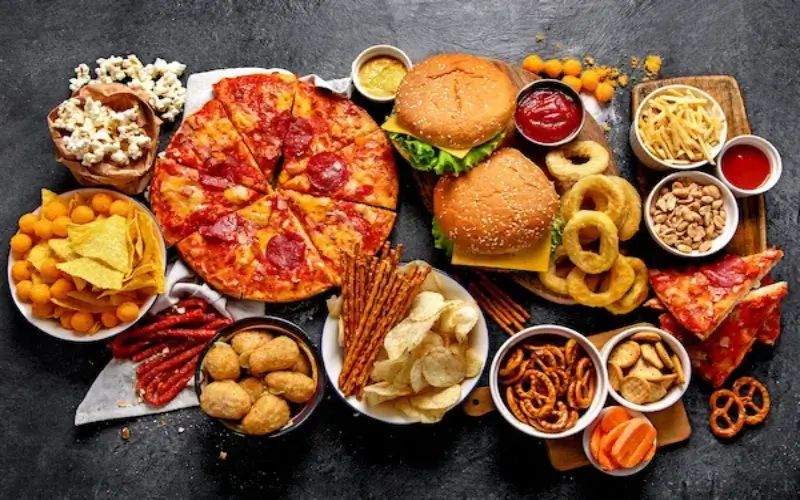
Junk food addiction is becoming a serious health concern, especially among children and teenagers. Junk food refers to processed or fast foods that are high in sugar, salt, and unhealthy fats, such as chips, burgers, sugary drinks, and candies. Eating these foods frequently can lead to physical and mental health problems. Understanding the causes and effects of junk food addiction is important for maintaining a healthy lifestyle.
One of the main causes of junk food addiction is its taste and convenience. Junk foods are often high in sugar, salt, and fats, which make them very tasty and easy to crave. Busy schedules, especially for students and working people, make fast food a quick and convenient choice. Attractive advertisements and promotions also encourage people to consume these foods regularly, increasing their dependency.
Another cause is emotional eating. Many people turn to junk food when they feel stressed, sad, or bored. These foods can provide temporary comfort or pleasure, making them addictive over time. Over consumption of junk food can also affect the brain’s reward system, releasing chemicals like dopamine, which create a feeling of happiness and reinforce the desire to eat more.
The effects of junk food addiction are harmful to both physical and mental health. Physically, frequent consumption of junk food can lead to obesity, high blood pressure, heart disease, diabetes, and digestive problems. Mentally, it can affect concentration, memory, and mood, as excessive sugar and unhealthy fats can disrupt brain function. Long-term addiction may also lower energy levels and weaken the immune system, making the body more prone to illness.
Preventing junk food addiction requires awareness and healthy habits. People should limit processed foods, eat more fruits and vegetables, and choose home-cooked meals whenever possible. Parents and schools can play an important role by encouraging healthy eating habits and educating children about the risks of junk food.
In conclusion, junk food addiction is caused by taste, convenience, emotional eating, and advertising, while its effects include obesity, health problems, and poor mental performance. By making healthier food choices, individuals can avoid addiction and maintain better overall health.