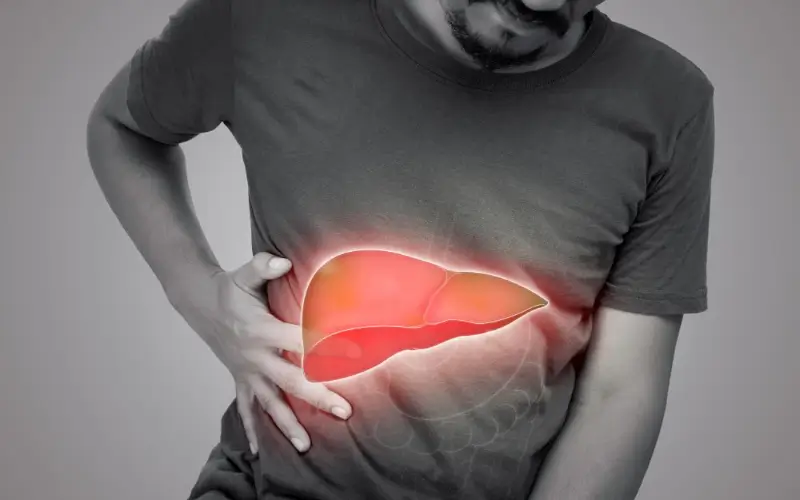
Your liver is a large and vital organ that carries out hundreds of important tasks in the body. One of its most important functions is filtering toxins from your blood.
Although the liver is designed to handle this, the constant exposure to harmful substances makes it vulnerable. If too many toxins accumulate, the liver can become overwhelmed and struggle to function properly. This can happen over a short period or develop gradually over time.
When doctors talk about liver disease, they usually mean long-term conditions that slowly damage the liver. Common causes include viral infections, exposure to poisons, and certain metabolic disorders. The liver is capable of repairing itself, but constantly having to work hard to regenerate takes a toll. Eventually, it may no longer be able to keep up with the damage.
Symptoms
Liver disease affects the liver’s ability to function properly and can show a range of signs. Common symptoms include fatigue, weakness, loss of appetite, nausea, and abdominal pain or swelling. Yellowing of the skin and eyes, known as jaundice, is a classic sign of liver problems. Other indicators may include dark urine, pale stools, easy bruising or bleeding, swelling in the legs, and confusion or difficulty concentrating in advanced cases. Early detection is important, as symptoms can often be mild or go unnoticed initially.
Causes
Liver disease can result from several factors. Viral infections such as hepatitis A, B, and C are common causes. Excessive alcohol consumption over time can lead to alcoholic liver disease, while obesity and poor diet can contribute to non-alcoholic fatty liver disease. Autoimmune disorders, genetic conditions like hemochromatosis and Wilson’s disease, long-term use of certain medications, and exposure to toxins or chemicals can also damage the liver. Maintaining a healthy lifestyle and avoiding harmful substances can help reduce the risk.
Treatment
Treatment depends on the type and severity of the liver disease. Viral hepatitis may be treated with antiviral medications, while lifestyle changes like quitting alcohol, eating a balanced diet, and exercising regularly are important for managing fatty liver disease. Autoimmune liver disorders often require medications such as corticosteroids to control inflammation. In severe cases, such as liver failure or advanced cirrhosis, a liver transplant may be necessary. Regular monitoring, vaccinations against hepatitis A and B, and avoiding liver toxins are essential for preventing further damage.
In conclusion, liver disease can arise from infections, lifestyle factors, genetics, or toxins. Recognizing symptoms early, understanding the causes, and seeking proper treatment can protect liver health and prevent serious complications. Maintaining a healthy lifestyle and regular medical checkups are key to supporting liver function.