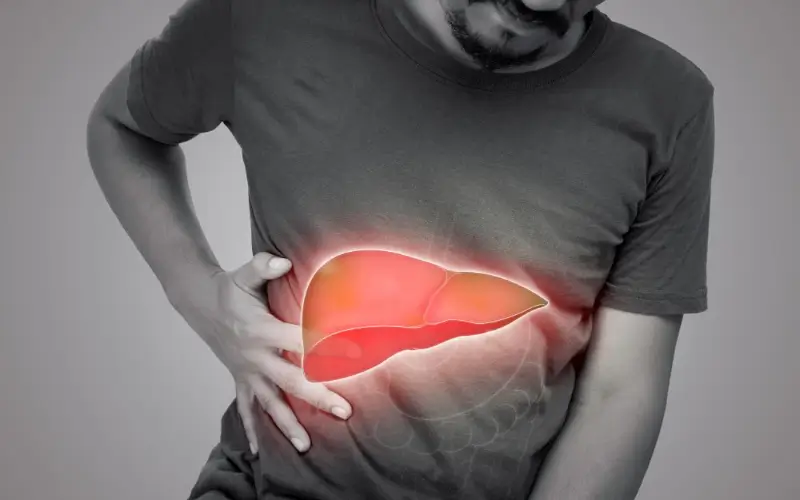
The liver is one of the most important organs in the human body. It helps remove toxins, supports digestion, stores nutrients, and plays a major role in maintaining overall health. However, unhealthy lifestyle habits and infections can damage the liver and lead to serious conditions such as fatty liver disease and hepatitis. Understanding these conditions and learning how to prevent them can help protect your health in the long term.
What Is Fatty Liver Disease?
Fatty liver disease occurs when excess fat builds up in the liver. This condition is becoming more common due to unhealthy eating habits, lack of exercise, and increasing obesity rates. There are two main types of fatty liver disease: alcoholic fatty liver, which is caused by excessive alcohol consumption, and non-alcoholic fatty liver disease (NAFLD), which is more common and is usually linked to poor diet and lifestyle.
In many cases, fatty liver does not show clear symptoms in the early stages. However, as the condition worsens, it may lead to fatigue, weight gain, discomfort in the upper abdomen, and difficulty in digestion. If left untreated, fatty liver can develop into more serious liver damage.
Understanding Hepatitis
Hepatitis is another serious condition that affects the liver. It refers to inflammation of the liver, which can be caused by viruses, alcohol, or certain medications. The most common types are Hepatitis A, Hepatitis B, and Hepatitis C.
Hepatitis A usually spreads through contaminated food or water, while Hepatitis B and C spread through infected blood or body fluids. Symptoms may include tiredness, nausea, fever, yellowing of the skin (jaundice), dark urine, and loss of appetite. In some cases, hepatitis can become a long-term illness and lead to liver failure if not treated properly.
Why Liver Health Is Important
The liver performs hundreds of functions every day, including filtering harmful substances from the blood and helping the body digest fats. When the liver becomes weak or damaged, the body cannot function properly. Poor liver health can lead to serious problems such as obesity, diabetes, and heart disease.
Taking care of your liver not only helps prevent liver diseases but also improves your overall energy levels and quality of life.
Prevention Tips for a Healthy Liver
The good news is that many liver problems can be prevented with simple lifestyle changes. Eating a healthy and balanced diet is one of the most important steps. Include fruits, vegetables, whole grains, and healthy fats in your daily meals, and avoid excessive fried and processed foods.
Regular exercise also plays a key role in protecting the liver. Physical activity helps maintain a healthy weight and reduces fat accumulation in the body. Drinking enough water and limiting sugary drinks can also support better liver function.
Avoiding alcohol or consuming it in moderation is another important step. In addition, maintaining proper hygiene, getting vaccinated for hepatitis, and avoiding unsafe medical practices can help reduce the risk of infections.