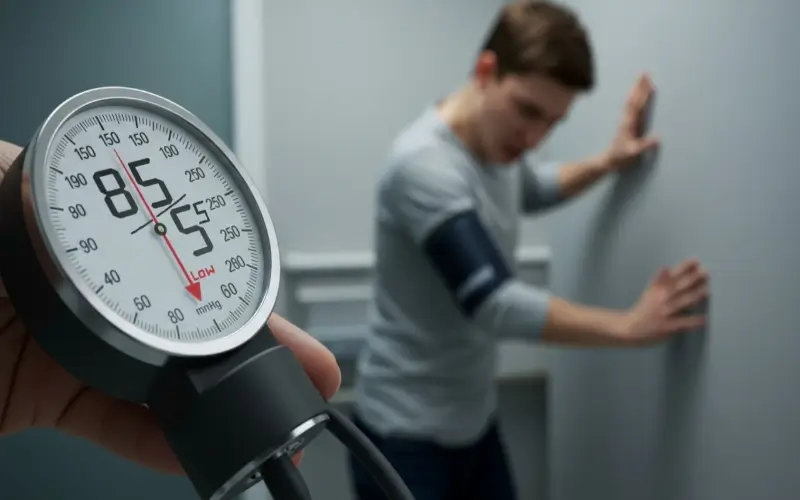
Low blood pressure, also known as hypotension, is a condition in which the blood pressure in the arteries drops below the normal range, reducing the flow of blood to vital organs such as the brain, heart, and kidneys. While high blood pressure is often highlighted as a serious health concern, low blood pressure can also be dangerous if it causes symptoms or leads to organ damage.
Symptoms of Low Blood Pressure
The symptoms of hypotension can vary depending on the severity and underlying cause. Mild cases may not show any noticeable signs, but when blood pressure falls too low, individuals may experience:
-Dizziness or lightheadedness, especially when standing up quickly (orthostatic hypotension)
-Fainting or feeling about to pass out
-Blurred or narrowing vision
-Nausea
-Fatigue or weakness
-Rapid, shallow breathing
-Cold, clammy, or pale skin
Severe hypotension can deprive organs of sufficient oxygen and nutrients, leading to shock, which is a medical emergency. Signs of shock include confusion, rapid heartbeat, shallow breathing, and loss of consciousness.
Causes of Low Blood Pressure
Low blood pressure can be caused by a variety of factors, ranging from temporary issues to chronic medical conditions. Some common causes include:
Dehydration: Loss of fluids from excessive sweating, vomiting, or diarrhea can lower blood volume and reduce blood pressure.
Heart problems: Conditions like bradycardia (slow heart rate), heart failure, or heart valve problems can prevent the heart from pumping blood effectively.
Endocrine disorders: Diseases such as adrenal insufficiency (Addison’s disease), thyroid disorders, or low blood sugar (hypoglycemia) can contribute to hypotension.
Blood loss: Significant bleeding from injury or internal bleeding reduces blood volume, causing a drop in pressure.
Severe infections: Septicemia can cause a dangerous drop in blood pressure.
Medications: Certain drugs, including diuretics, beta-blockers, and antidepressants, may lower blood pressure as a side effect.
Treatment and Management
The treatment for low blood pressure depends on its cause and severity. Mild hypotension may not require treatment, but if symptoms interfere with daily life, steps can be taken to raise and stabilize blood pressure.
Lifestyle adjustments: Increasing water and salt intake, avoiding alcohol, and standing up slowly from sitting or lying positions can help prevent sudden drops in blood pressure. Wearing compression stockings may improve blood flow in the legs.
Medications: In some cases, doctors may prescribe medications to increase blood volume or strengthen blood vessel tone. This is usually recommended for chronic hypotension or cases where lifestyle changes alone are insufficient.
Monitoring: Regular blood pressure checks are important to track changes and evaluate the effectiveness of interventions. Individuals with underlying conditions like heart disease or endocrine disorders should work closely with their healthcare provider.
Low blood pressure can range from harmless to life-threatening depending on its cause and severity. Recognizing the symptoms, identifying the underlying factors, and following appropriate treatment strategies are essential to maintain overall health and prevent complications. Maintaining hydration, a balanced diet, and regular monitoring are key steps in managing hypotension effectively.