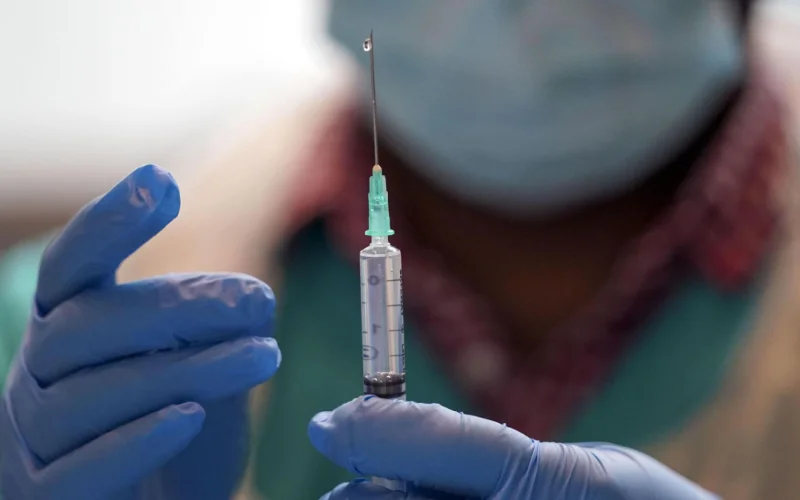
A recent clinical trial has revealed that a new cancer treatment injection may deliver promising results even for patients with advanced disease where treatment options are nearly exhausted.
The drug, named Immunetimab, is a triple-action injection that is already available for certain patients. It works by blocking proteins and enzymes that help tumors evade the immune system, while also stimulating white blood cells to more effectively attack cancer cells.
The study involved 102 patients suffering from incurable head and neck cancers. Following treatment, tumors shrank in 42% of the participants.
Most notably, in 15 cases, tumors disappeared completely—even among patients who had stopped responding to chemotherapy and immunotherapy.
Head and neck cancers include tumors of the mouth, throat, and tongue. In the United Kingdom, it is the ninth most common type of cancer, affecting around 13,000 people annually.
Study lead researcher Professor Kevin Harrington said the results were “highly unusual” in patients whose disease had become resistant to both chemotherapy and immunotherapy, adding that treatment options for such cases are usually extremely limited, making the observed benefits particularly encouraging.
More read, New hope emerges for patients with advanced liver disease
Earlier, a newly tested cell therapy is being hailed by experts as a major breakthrough for patients suffering from serious liver disease.
According to researchers, the innovative treatment showed remarkably effective results during a clinical trial.
The study found that patients who received the cell therapy had a significantly lower risk of death or the need for a liver transplant four years later compared to those receiving standard treatment.
Experts explained that while the liver naturally has the ability to regenerate itself, advanced disease can cause severe scarring and cirrhosis, leading to irreversible damage and eventual liver failure.
The new therapy is now being viewed as a promising option for patients who previously had liver transplantation as their only available treatment.