Health experts and scientists have raised concerns over the possibility of a future global pandemic linked to smallpox-related viruses, warning that declining immunity against poxviruses could leave the world vulnerable to new outbreaks.
Smallpox, a highly deadly viral disease known medically as Variola, was officially declared eradicated in 1980 following a global vaccination campaign led by the World Health Organization (WHO). The achievement marked one of the greatest successes in public health history. Since then, routine smallpox vaccination has been discontinued worldwide.
Today, the virus exists only in a very limited number of highly secured laboratory samples, stored under strict international supervision. These samples are held in just a few high-security facilities, and access to them is tightly controlled. Despite this, scientists are now warning that the legacy of smallpox eradication may have created an unintended gap in human immunity.
According to researchers, the absence of widespread smallpox vaccination has resulted in reduced immunity against other viruses belonging to the Orthopoxvirus family. These related viruses, experts say, could potentially fill the ecological gap left by smallpox and emerge as new global health threats.
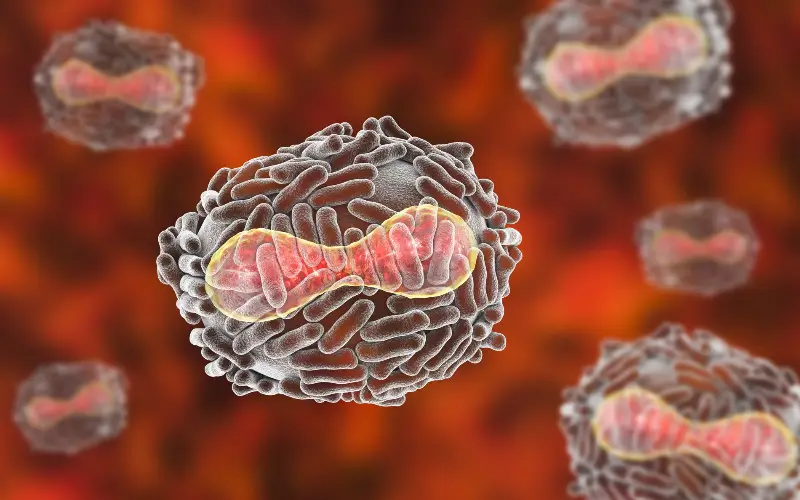
The Orthopoxvirus family includes several viruses capable of infecting humans, such as monkeypox (now often referred to as mpox), as well as lesser-known viruses like cowpox, buffalo pox, camelpox, and borealpox. While many of these viruses currently cause localized or limited outbreaks, scientists fear they could adapt and spread more efficiently among humans.
Recent outbreaks of monkeypox in multiple regions have already highlighted the potential for these viruses to cross borders and spread internationally. Experts caution that without the protective shield once provided by smallpox vaccination, populations may be more susceptible to severe infections and rapid transmission.
Researchers emphasize that these warnings do not indicate an immediate outbreak but serve as a call for preparedness. Strengthening disease surveillance, investing in vaccine research, and improving global response systems are seen as critical steps to prevent future pandemics.
The historical impact of smallpox underscores the seriousness of these concerns. During the 20th century alone, smallpox is estimated to have caused the deaths of nearly 500 million people worldwide, leaving deep social, economic, and demographic scars across continents.
Public health experts stress that lessons learned from COVID-19 should not be forgotten. Early detection, transparent reporting, and international cooperation remain essential in preventing emerging viruses from escalating into full-scale global crises.
As scientists continue to monitor Orthopoxviruses closely, they urge governments and health organizations to remain vigilant. While smallpox itself remains eradicated, experts warn that its viral relatives could pose the next major challenge to global health if proactive measures are not taken.