ISLAMABAD: The National Institute of Health (NIH) has issued an advisory to strengthen prevention and control measures against seasonal influenza H3N2 amid a rising number of cases.
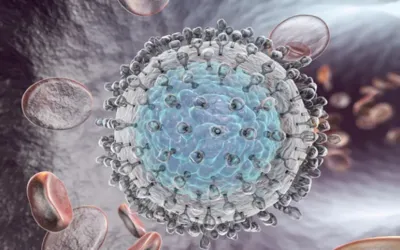
According to the advisory, the Influenza A (H3N2) subclade K has emerged globally during the 2025–26 season. Since August 2025, a sharp increase in H3N2 cases has been reported across several regions of the world.
The NIH noted that South Asia experienced a surge in influenza cases between May and November, with 66 percent of reported infections attributed to H3N2. Significant numbers of H3N2 cases have also been recorded in Australia and New Zealand.
In Pakistan, the institute reported an increase in influenza-like illness (ILI) and severe acute respiratory infection (SARI) cases, with 340,856 suspected cases documented so far. Of the samples tested nationwide, 12 percent were confirmed positive for H3N2.
The advisory warned that elderly individuals, pregnant women, children, and patients with underlying health conditions are at higher risk of severe illness.
The NIH emphasized that vaccination remains the most effective preventive measure against influenza, while also urging the public to maintain hand hygiene and avoid crowded places to reduce the risk of infection.
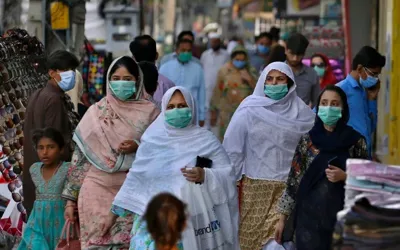
The NIH has cautioned that overcrowded areas and enclosed spaces are accelerating the spread of the virus, prompting directives to further strengthen infection prevention and control measures. The institute has also urged the public to remain vigilant against misinformation related to influenza and so-called “super flu.”
According to the NIH, seasonal influenza vaccination is the most effective tool to prevent severe illness and deaths, and the currently available vaccine is effective against the H3N2 subclade K. The advisory further recommends early antiviral treatment for high-risk patients.
The NIH warned that delays in treatment can lead to serious complications, including pneumonia and respiratory failure. The public has been strongly advised to follow preventive measures and ensure timely vaccination to reduce the risk of severe outcomes.