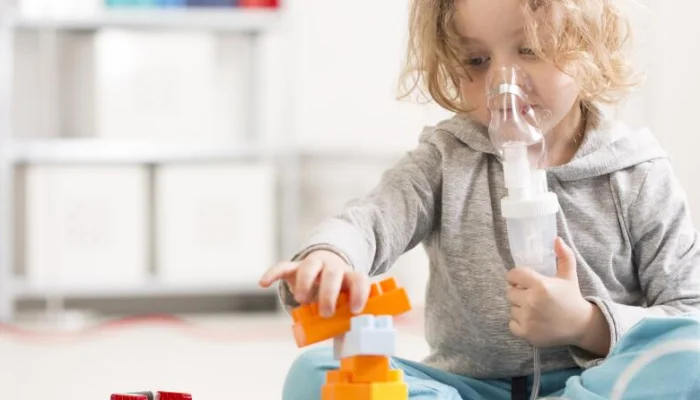
A team of scientists has uncovered a potential way to prevent childhood asthma in children who are genetically predisposed to allergies.
Asthma is a major noncommunicable disease (NCD) affecting both children and adults, but it is particularly common in children, according to the World Health Organization (WHO). A 2019 report estimated that over 262 million people worldwide were affected by asthma, resulting in 455,000 deaths. Since then, medical experts have emphasized that avoiding asthma-related triggers can help reduce symptoms in children.
Recent research has highlighted the role of Respiratory Syncytial Virus (RSV) in childhood asthma. RSV infection appears to influence the developing immune system, making it more likely to overreact to everyday allergens. The findings, published in Science Immunology, suggest that protecting newborns from RSV could significantly reduce the risk of asthma later in life.
Asthma affects 5–15% of children across Europe, making early detection and prevention a major health priority. Professor Bart Lambrecht of Ghent University, Belgium, and senior author of the study, explained, “Childhood asthma is a complex disease with many contributing factors.
We have found that early-life RSV infection and genetic allergy risk interact in a very specific way that pushes the immune system toward asthma.” He added, “The encouraging news is that this process can be prevented.”
To explore this link, researchers analyzed nationwide health registry data from all children in Denmark and combined it with controlled laboratory studies. Their results showed that early RSV infection can amplify the effects of inherited allergy risk. Belgian scientists from VIB and Ghent University found particularly strong evidence that infants with a family history of allergies are at greater risk, as allergen-specific antibodies passed from parents can accelerate immune responses.
Co-senior author Professor Hamida Hammad from VIB highlighted the public health potential of these findings: “With RSV prevention now becoming widely accessible, we have an opportunity to improve long-term respiratory health. This is not just a laboratory insight; it is a message that can help parents make informed decisions about RSV prevention.”
The study was supported by the European Research Council. Professor Lambrecht emphasized, “This is a moment where policy, science, and pediatricians can come together. The benefits for families and health systems could be enormous.”
Childhood asthma prevention aligns with global health initiatives, including the WHO Global Action Plan for the Prevention and Control of NCDs and the United Nations 2030 Agenda for Sustainable Development.