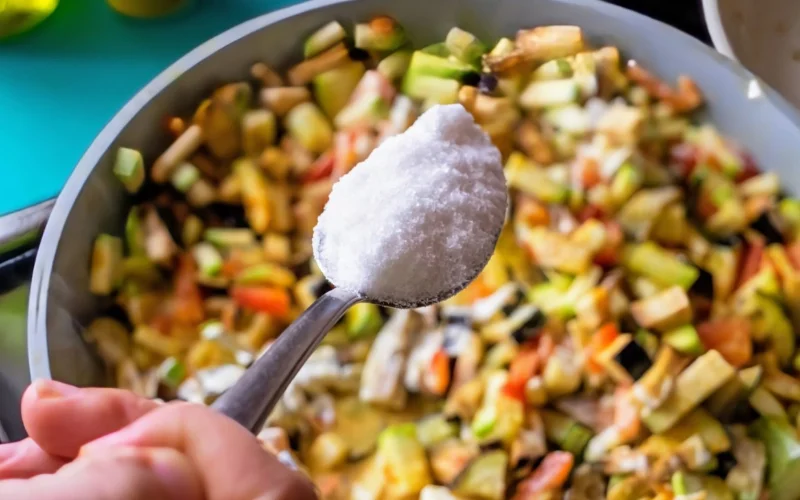
BEIJING: Chinese scientists have warned that regularly adding extra salt to meals may significantly increase the risk of depression.
The findings, published in the journal Nutritional Neuroscience, are based on an analysis of the dietary habits of more than 15,000 adults.
According to the study, individuals who consumed the highest amounts of added salt were found to have a 26 percent greater likelihood of experiencing depression compared to those with lower salt intake.
While researchers did not definitively explain the biological mechanism behind the link, they suggested that excessive salt consumption may overstimulate the body’s stress-regulation system. This overactivation could lead to increased production of stress hormones, potentially affecting mental health.
The study also highlighted that high salt intake may contribute to inflammation in the body. Such inflammation could impact brain regions responsible for emotional regulation and mood stability.
Scientists from Guangdong Provincial People’s Hospital noted in their report that a significant and positive association was observed between the regular addition of salt to food and an elevated risk of depression.