A new study has revealed that microplastics released from commonly used daily items can directly harm the pancreas, raising serious concerns about their long-term impact on human health.
Previous research has linked microplastics to a range of health problems, including hormonal disruption, diabetes, stroke, and various types of cancer. However, most earlier studies were unable to establish a clear direct connection between microplastics and damage to specific organs.
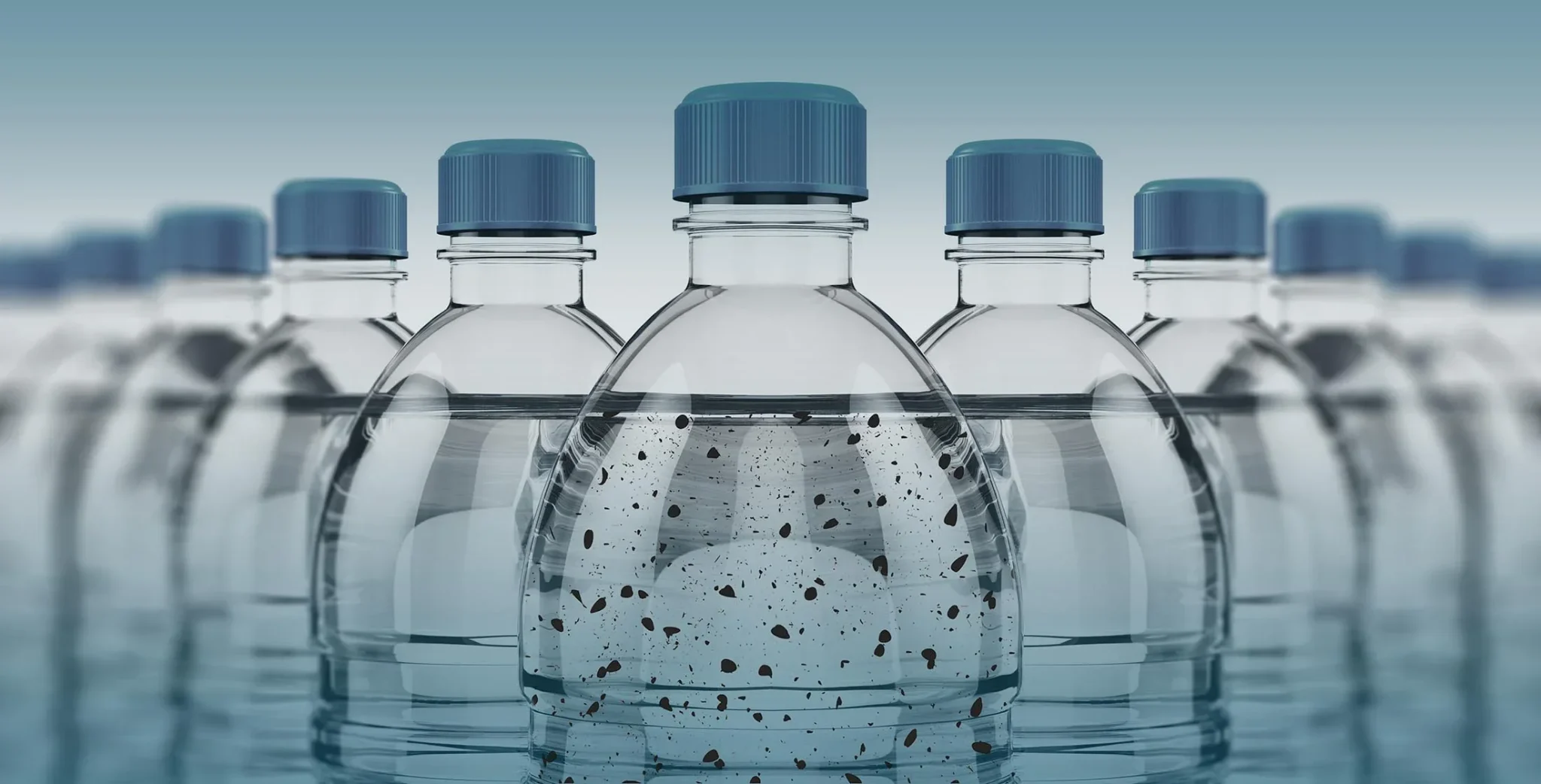
The latest research has now confirmed that polyethylene terephthalate (PET)—a key component of plastic bottles—has toxic effects on the pancreas.
In a study conducted by researchers from Poland and Spain, PET microplastics were found to cause toxic damage to pancreatic cells in pigs, potentially increasing the risk of diabetes and obesity.
Scientists exposed pig pancreatic tissue to varying concentrations of PET microplastics and examined fat accumulation and toxicity at the cellular level. The findings revealed alarming evidence that PET microplastics can increase cell death within the pancreas and disrupt its normal functioning.
According to the researchers, these microplastics directly interfere with essential proteins required for proper pancreatic activity, highlighting a possible mechanism through which plastic pollution may contribute to metabolic diseases.